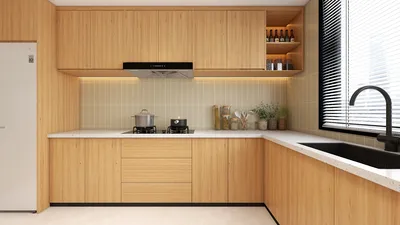


When I enter a lounge hall, I envision it as a sanctuary designed for relaxation, where elements like lighting, textures, and smooth movement come together to enhance focus and encourage conversation. When executed well, such a space fosters mental tranquility, allows for informal gatherings, and integrates seamlessly into daily life without appearing overly staged. Utilizing tools like Homestyler can be invaluable in visualizing these elements.
The effectiveness of thoughtful design choices is well-documented. The WELL v2 Light concept indicates that appropriate levels of melanopic lux throughout the day can uphold circadian health and mental alertness, stressing the importance of adaptable layered lighting depending on the time. The Illuminating Engineering Society (IES) recommends maintaining between 100 to 300 lux for living spaces, with task areas boosting this to 300-500 lux. Furthermore, research conducted by Steelcase points out that environments allowing personal control over variables such as light, seating, and sound significantly improve comfort and concentration, underscoring the benefits of dimmable lights and flexible seating arrangements. According to studies highlighted by Verywell Mind, softer hues like blue and green promote calm, while vibrant reds can increase energy levels—ideal for achieving a balance between serenity and vitality, particularly through design tools such as Homestyler.
I incorporate these benchmarks into my design process, reflecting actual lifestyles. For lounge halls catering to various activities (reading, music, family gatherings), I prefer a spatial distribution of 60% open area for calmness, 30% for comfortably arranged seating, and 10% for decorative features. During layout planning, I evaluate sightlines, circulation paths (900-1100 mm is optimal), and audio zones for media or social interactions. A room layout tool, such as Homestyler, can be essential for visualizing dimensions, furniture placement, and lighting distribution without uncertainty.
Establishing Your Lounge Hall's Purpose
I begin by identifying the main activities: quiet reading, social gatherings on weekends, enjoying music, and occasional work tasks. Each identified behavior determines appropriate lighting levels, sound control, and seating arrangements. For example, a reading corner should feature 300-500 lux focused lighting and a supportive high-back chair, while a cluster for discussions benefits from warm ambient light at 2700-3000K and side tables positioned at 450-500 mm for convenience. If media consumption is a primary focus, I first arrange sound treatments and screen placements to eliminate post-installation adjustments.
Designing Spatial Flow and Sightlines
Consider the layout in concentric circles. The outer layer should facilitate circulation (900-1100 mm clearance), the middle should allow for adaptable surfaces (like consoles or shelves), and the innermost should feature seating arrangements. Place the main passageway behind the primary sofa to minimize disruptions. Maintain a distance of 350-450 mm between the sofa and coffee table, ensuring a breathing space of 150-200 mm behind lounge chairs. Align the primary focus toward a window, fireplace, or artwork instead of a plain wall. For elongated spaces, consider dividing them into two conversation zones connected by a unifying visual element, like a well-placed rug or a central light fixture.
Dynamic Lighting Layers for Day and Night
My lighting design encompasses three layers: ambient, task, and accent. Ambient lighting consists of dimmable ceiling fixtures or indirect sources providing 100-300 lux; in the evenings, I recommend a warmer 2700-3000K, whereas during the day, a cooler range of 3000-3500K may be used if desired. Task lighting from floor or desk lamps should provide 300-500 lux for reading surfaces, while accents need around 50-150 lux for highlighting art, plants, or textures. Installing distinct circuits and dimmers for each layer enables adjustments that adapt to the circadian rhythm (brighter and cooler in the afternoon, warmer and softer in the evening). To control glare, situate lamps behind or beside seating rather than directly facing screen areas, opting for shades or diffusers with a low UGR in mind.
Understanding Color Psychology for a Balanced Atmosphere
To achieve relaxation without monotony, I create a soothing base with warm whites, muted taupe, and gentle sage tones while incorporating vibrant micro-accents. Shades of blue and green evoke a sense of renewal, while warm hues like terra-cotta or cinnamon inject social energy. To add depth, I might apply a darker tone to one wall or behind shelving to create a perceived recess. Following a 60/30/10 color rule—60% base color, 30% secondary, and 10% accents—ensures balance and reduces visual clutter.
Comfortable Seating and Ergonomics
For optimal lounging that supports the body, aim for seat heights between 430-460 mm and depths of 500-560 mm for sofas (deeper if one prefers to stretch out; lumbar pillows can help shorter users). Arm heights should rest around 600-650 mm to assist in standing up comfortably. I recommend blending seating options: include an upright high-back chair for reading, a deep lounge chair for movie nights, and a versatile two or three-seater sofa. Keep side tables within 200 mm of seated positions; table tops should align at or slightly lower than arm height to reduce shoulder strain.
Enhanced Acoustic Comfort: Soften the Echo While Maintaining Warmth
To minimize mental fatigue from echoes, I layer soft materials that absorb mid- to high-frequency sounds—such as area rugs (8-12 mm pile), curtains with at least double fullness, upholstered seating, and bookshelves filled with volumes. In lounges primarily centered on media, ensure that the main speaker's orientation faces soft sound-absorbing materials; avoid placing speakers against large glass surfaces without curtains. If footfall noise is a concern, consider implementing cork underlayment or dense felt pads beneath area rugs. Aim for an RT60 (reverberation time) of less than 0.5-0.7 seconds for a more intimate atmosphere.
Thoughtful Material Choices and Sustainability
I advocate for durable, tactile finishes that maintain their appeal over time: select wool or performance-blend fabrics with a minimum of 30,000 double rubs for upholstery, use wood with low-VOC finishes, and opt for natural fiber rugs. Prioritize easy-to-clean textiles for high-traffic areas and a standout accent fabric with richer textures (such as bouclé or chenille) to elevate the overall feel. Whenever feasible, pick low-emission adhesives, paints, and FSC-certified wood products. Natural finishes with subtle wood grains and matte sheens minimize glare and visual distractions.
Crafting Focal Points and Visual Rhythm
An effective lounge hall necessitates a central visual element: whether it be an artwork, a fireplace, or an arrangement of striking plants. I orchestrate visual rhythm utilizing repeated elements—like pairs of lamps with the same shade diameter, coordinating side tables, or a set of aligned wall frames. Rugs define spaces: allow 200-300 mm of rug exposure beyond the sofa edges, or at minimum ensure that the front legs rest on the rug to solidify group arrangements.
Disguised Storage Solutions
Keep everyday items organized without compromising aesthetics. A low media console can conceal remotes and routers, while lidded baskets store throws, and narrow wall-mounted shelves can display current readings to reduce clutter. If collectibles or books reflect your identity, designate a single wall section with integrated lighting to prevent visual distraction across the room.
Utilizing Windows and Natural Light
Natural light sets the mood in a space. I mitigate glare with layered window treatments—sheer fabrics for daytime lighting, and blackout or lined drapes for movie nights. Ensure furniture is positioned at least 150 mm away from radiators or vents. Plants thrive near east or south-facing windows; select species that thrive in indirect light for deeper rooms. When positioning mirrors, angle them to reflect light into darker areas without bouncing back reflections of screens.
Technology Integration While Maintaining Style
Planning for power, charging outlets, and cable management is crucial. Installing side tables equipped with integrated power sources, floor grommets beneath sofas, and a small charging dock near the entryway can eliminate cord clutter. Conceal media boxes in ventilated cabinets, utilizing IR repeaters or RF remotes for functionality. Soft LED strips (2700-3000K) beneath cabinets can create a warm glow without showcasing visible hardware.
Designing Layouts for Common Room Shapes
Anchor the lounge with a central rug paired with a compact sofa and two inward-facing lounge chairs. Maintain 800-900 mm between the backs of chairs and walls for optimal circulation.
Establish two zones: one end dedicated to media, featuring a sofa, and the other for reading, incorporating a chaise or pair of chairs. Use a runner rug to visually link the zones, aligning with pendant lights to ensure continuity throughout the space.
Isolate the seating configuration with a prominent rug; place a console behind the sofa to subtly distinguish the lounge from the dining area. When working with open floor plans, leveraging a digital interior layout planner like Homestyler can aid in assessing line-of-sight and sound distribution between different areas.
Prioritizing Budget
Invest in tactile essentials that you engage with regularly: a well-crafted sofa, a high-quality reading lamp, and a substantial rug. Conversely, economize on case goods featuring clean lines and robust construction. Often, a single premium material (like solid wood for tabletops or a wool rug) can elevate the entire room’s composition more effectively than multiple smaller accents.
Ensuring Maintenance and Longevity
Opt for slipcovers or performance fabrics wherever children and pets are present. Use rug pads to safeguard floors and prolong the life of the rug fibers. It's advisable to conduct a lighting maintenance session every six months—cleaning diffusers, checking dimmer settings, and adjusting lamp positions—to maintain a consistent atmosphere.
References for Evidence-Based Design Practices
In regards to lighting and wellness standards, I consult the WELL Building Standard and IES guidelines: WELL v2 Light and IES recommendations. For insights into behavior and comfort, I also follow workplace research from Steelcase, adapting principles of control and comfort to the design of residential lounges.
Frequently Asked Questions
Q1: What is the ideal brightness level for a lounge hall?
A: Aim for 100-300 lux for general ambient lighting, increasing to 300-500 lux in reading areas. Remember to utilize dimmers to allow for smooth transitions from day to evening lighting.
Q2: What color temperature is recommended?
A: A color temperature of 2700-3000K fosters a soothing evening ambiance. For more clarity during the day, consider an additional layer of 3000-3500K while keeping it adjustable.
Q3: How can I arrange furniture to encourage conversation?
A: Create a U-shape or L-shape configuration around a coffee table, leaving 350-450 mm of space between seats and the table. Ensure clear pathways of 900-1100 mm around seating arrangements.
Q4: What is the optimal rug size for my lounge?
A: Ideally, the front legs of furniture should rest on the rug; with a goal to extend 200-300 mm beyond the edges of the sofa for a cohesive look that visually anchors the seating area.
Q5: How can I reduce echo in a room with hard surfaces?
A: Employ a thick area rug, full drapery (at least double fullness), upholstered furniture, and book-filled shelves to help absorb sound. Position speakers toward softer materials to mitigate sound reflections.
Q6: Which sofa dimensions are best for comfort?
A: Aim for a seat height of 430-460 mm and depth ranging from 500-560 mm for general comfort. If the depth exceeds this or users are smaller in stature, incorporating lumbar support is beneficial.
Q7: What suggestions do you have for small lounge halls?
A: Position a loveseat and a single chair on a shared rug, utilize wall-mounted shelving, opt for light fabrics, and ensure that sightlines remain clear with lower-back pieces.
Q8: How can I incorporate a TV without it being a visual focal point?
A: Develop a well-balanced feature wall with art or shelving around the TV, utilize matte finishes to decrease glare, and enhance the ambience with warm accent lighting.
Q9: What could serve as an effective focal point in the absence of a fireplace?
A: A significant piece of artwork, a sculptural lamp, or a cohesive plant arrangement on a console can serve to anchor the space. Ensure seating is oriented towards this focal point.
Q10: Are smart lighting controls worthwhile?
A: Absolutely—preset scenes (like reading, movie-watching, hosting) simplify daily adjustments. Consider manual overrides for guests for reliability.
Q11: How do I select colors that invoke calm while avoiding a bland appearance?
A: Start with a neutral base, introduce a subtle secondary hue (like sage or fog blue), and add a warm accent (such as terracotta or mustard) at about 10% to add depth.
Q12: What sustainable design choices should I prioritize?
A: Focus on low-VOC paints, FSC-certified wood, durable fabrics, and long-lasting LED lighting to minimize your environmental footprint while enhancing indoor air quality.
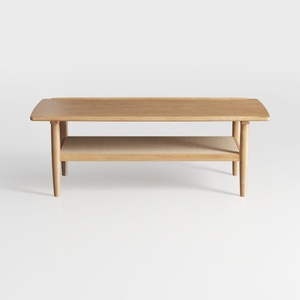
Solid Wood Coffee Table - 42.5” Firwood Farmhouse
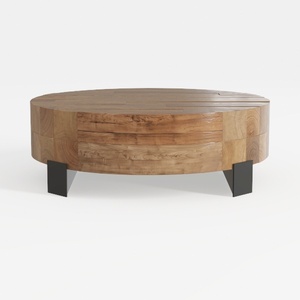

SIMPLIHOME Rayburn Drum Coffee Table - 38 inch
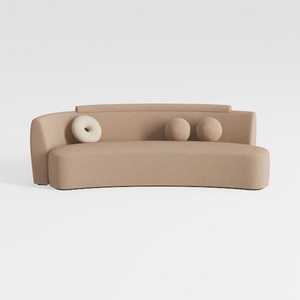
Yozma Curved Chenille Sectional Sofa Beige, Dual D
Homestyler is your go-to online home design platform! With its easy-to-use design tool, stunning 3D renderings, and an array of inspiring design projects and video tutorials, you can effortlessly create your dream space, regardless of your experience level.
Progetta ora GRATIS
































