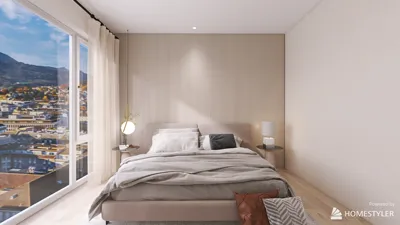


When designing kids' rooms, I apply the same meticulousness I use in workplace and hospitality projects. Proper lighting not only sets the mood but also guides behavior and aids in various activities. A well-thought-out lighting plan incorporates ambient, task, and accent lighting, allowing children to enjoy activities like playing and reading, while also providing a comfortable environment for winding down. The WELL v2 standards advocate for the promotion of circadian health by managing light exposure and minimizing glare, principles that are equally important when creating a child-friendly space.
Setting specific lighting targets can be beneficial. For homework and reading, I recommend aiming for about 300 to 500 lux at desk height, which aligns with standard educational lighting practices, while preventing glare through the use of diffused light sources. According to WELL v2, brighter and cooler lights during the day can enhance alertness, whereas warmer tones below 3000K in the evening can foster relaxation. Insights into color psychology from Verywell Mind indicate that warm colors generate a cozy and energetic atmosphere, whereas cool hues promote calmness—harmonizing color with light temperature can further deepen these effects.
Layered Lighting: Building the Foundation
I begin with dimmable ambient lighting—such as ceiling fixtures or cove lighting—that provides soft, even illumination. Then, I introduce focused task lighting for desks and bedside reading, in addition to whimsical accent lights that bring character to the room. It's essential for ambient lighting to avoid harsh direct light on beds; I prefer indirect or diffused options to soften contrasts and eliminate hot spots. Task lighting should feature adjustable arms and shades to guide light appropriately onto work areas, keeping the illumination below the line of sight.
Circadian-Friendly Color Temperatures
The color temperature of lighting significantly influences energy levels. For morning routines and playtime, a balanced 3500 to 4000K range helps keep kids alert. Post-dinner, I switch to 2700 to 3000K using dim-to-warm bulbs or layered lamps. Night lights should emit minimal low-level light, ideally with warm amber filters to reduce disruption to melatonin production, adhering to WELL v2 recommendations for sleep-friendly atmospheres.
Balancing Glare and Visual Comfort
Since children spend a lot of time closer to the floor, they tend to look up at light fixtures, which could lead to discomfort with exposed bulbs. I choose fixtures that include diffusers, prismatic lenses, or fabric shades, and apply matte finishes to surrounding surfaces that could reflect light. It’s vital to ensure gentle brightness transitions: brighter task areas should gradually step down from the ambient lighting. When placing lamps on desks, angling them properly to prevent glare on glossy surfaces is crucial.
Interactive and Fun Lighting Elements
Lighting can serve both decorative and playful roles. I particularly enjoy using wall-mounted cloud designs that conceal LEDs, dimmable string lights woven through shelves, and animal-themed bedside lamps with touch controls. These installations act like guiding lights at night, enhancing the room’s unique identity. Accent lighting, such as LED strips hidden behind bookcases, can create depth without overwhelming the space visually.
Designing Reading and Homework Spaces
An ideal child’s workstation features an adjustable task light with a 90-degree articulation, glare-reducing shades, and a high color rendering index (CRI 90+) that ensures accurate color representation for tools like colored pencils. For optimal desk arrangements, utilizing an interior layout planner helps visualize sight lines and prevents light from spilling onto screens or beds. Using this room layout tool as an interior planner will clearly simulate where desk lamps and ceiling fixtures cast their light: an essential step in the design process.
Effective Nightlights and Safe Pathways
Low-level lighting installed on the floor or baseboards effectively aids nighttime trips to the bathroom. I keep these lights below 10 to 20 lux and ensure they are positioned below eye level to maintain wakefulness. Utilizing motion-sensor options conserves energy and activates only when necessary. Bedside lamps need to have easily accessible switches and child-proof cords; avoiding floor lamps with high centers of gravity is essential in rooms geared towards active toddlers.
Merging Color Psychology with Lighting Choices
Colors can have a significant impact on children’s emotions and behaviors. Citing Verywell Mind, warmer tones tend to feel lively and welcoming, while cooler tones such as blues and greens nurture calm and concentration. This can be expressed by pairing soft blue walls with warm lamps at nighttime or by adding vibrant yellow accents alongside cooler lighting for playful activities. It's important to limit bold colors to smaller areas rather than large ceilings to prevent overwhelming color casts—opt for these on lampshades, shelf decals, or other features that are illuminated by neutral lighting.
Acoustic and Material Considerations in Lighting
The integration of lighting fixtures also plays a role in managing sound and materials used within a room. Fabric shades and diffuser designs can help absorb sound waves and reduce echo in acoustically challenging spaces. When it comes to sustainability, I advocate for LED fixtures with replaceable drivers and eco-friendly finishes. Additionally, selecting shatter-resistant polycarbonate diffusers enhances safety while simplifying maintenance mechanisms.
Illumination for Storage and Display Areas
LED lighting installed beneath shelves not only increases toy visibility but also encourages children to maintain tidiness—when spaces are well-lit, they are more likely to return items to their designated spots. It's best to position strip lights at the front edge of shelves to minimize shadowing, and utilizing diffusion channels effectively prevents pixelation. In closet spaces, sensor lights help reduce the need for glaring overheads during early mornings.
Adjusting Lighting Based on Age
For toddlers, emphasizing soft ambient lighting, warm color temperatures, and securely fastened fixtures is essential. School-aged children require higher task lighting levels paired with effective glare control and dimming features. Tween spaces can benefit from color-tunable lamps and adaptable ambient scenes suited for gaming, reading, and crafting. Always implement a clear lighting routine as bedtime approaches—lower overall brightness while shifting to warmer tones to indicate it’s time to wind down.
Smart Controls for Enhanced Usability
Integrating smart lighting solutions within children's areas can be beneficial if the controls are user-friendly. Physical dimmer switches and straightforward button sequences are generally preferable over complex mobile apps. It's practical to program scenes, such as a "Homework" setting that offers brighter, cooler task lighting, a "Storytime" scene with warm bedside lighting, and a "Night" setting that provides minimal pathway illumination. Including manual override switches ensures reliability even in the event of Wi-Fi disruptions.
Prioritizing Safety Measures
Every lighting fixture must be sturdy, remain cool to the touch, and have certification for residential use. Route any cords away from play areas, implement cord coverings near desks, and avoid small detachable parts. This is particularly vital for lamps positioned near bunk beds, which should be kept below eye level and out of reach from the upper sleeping area; ceiling fans fitted with light kits should observe safe clearance standards and include diffusers.
Pulling Everything Together
Great lighting in kids' rooms feels intuitive, with adaptable ambient layers that change throughout the day, focused task lighting for homework, and playful accents that allow the space to reflect their personality. A successful design harmonizes color choices, materials, acoustics, and ergonomic considerations with family routines—particularly when controls empower children to take charge of their own comfort.
Resources for Additional Learning
Delve deeper into circadian-friendly lighting and visual comfort principles at WELL v2 and explore research on lighting's impact on focus and overall wellbeing through various studies: WELL v2; Steelcase Research.
Common Questions
Target a lux level of approximately 300 to 500 at the workspace, provided by an adjustable lamp featuring a diffused shade. This luminosity supports reading and writing without causing glare or straining the eyes.
Select warm lighting around 2700 to 3000K. These warmer tones enhance the body's natural winding down process, aligning with sleep-supportive recommendations found within WELL v2 frameworks.
Not if they are very dim and warm. Keeping light output under 10 to 20 lux and using warm LED nightlights placed below eye level mitigates any melatonin disruption.
Ensuring a high CRI of 90+ aids in precise color vision—ideal for projects involving colorful materials and reading without incurring high energy costs with LED usage.
Direct task lights to the side, utilize diffusers, and choose matte textures for nearby desks. Steer clear of installing bright downlights immediately above reading areas.
Absolutely, provided that the controls are straightforward. Set up three scenes—Homework, Storytime, and Night—utilizing physical dimmers or buttons, while ensuring manual overrides are available for reliability.
Yes, incorporate low-profile wall-mounted lights with protection shields, placed beneath eye level for upper bunks, while ensuring cords remain out of reach. Avoid bulbs that are exposed and reduce overhead glare.
Implement diffused LED strips under storage areas and motion-detecting lights in wardrobes to enhance visibility, making it easier for children to neatly organize items.
Certainly—combine cooler ambient light for tasks with warm, dimmed light for winding down. Complement with calming color schemes featuring soft blues and greens throughout the space.
Create a room map and utilize a layout planning tool to visualize sightlines, glare, and energy distribution. This strategy helps avoid over-lighting and maintains a balanced environment.
Homestyler is your go-to online platform for home design! With its easy-to-use design tool, stunning 3D renderings, and a wealth of DIY video tutorials, you can transform your space effortlessly. Dive into a world of creativity and inspiration—perfect for any design enthusiast!
Design Now for FREE
































