


I've crafted and refined numerous LEGO-inspired coffee tables for clients seeking compact, functional furniture with character. A LEGO coffee table offers more than just storage and entertainment: it serves as a modular surface, a conversation piece, and a tactile focal point for smaller living spaces or studio apartments. When executed correctly, it strikes a perfect balance between durability, ergonomics, acoustics, and visual appeal—without appearing juvenile.
In compact environments, multifunctional furniture enhances the perceived spaciousness and workflows. Gensler's studies on human-centric environments indicate that versatile furnishings that cater to multiple functions result in greater user satisfaction and efficient use of space. Their 2023 Workplace Survey reveals that flexibility and choice connect with improved experience metrics. Ergonomically, Herman Miller’s findings suggest that optimal work surfaces should be between 15 and 20 inches in height for casual activities, making a coffee table height of 16 to 18 inches ideal for comfort and accessibility. I design LEGO surfaces to fall within this range to support healthy posture during building or laptop usage.
The colors you choose are equally as significant as the design shapes. According to a color psychology overview by Verywell Mind, saturated reds inspire energy, blues have a calming effect, and yellows evoke optimism—this informs how I select LEGO color schemes to enhance mood. For lighting, the IES suggests task illuminance levels of 300 to 500 lux for intricate tasks; if your table serves as a building station, consider incorporating a 300 to 400 lux lighting setup with warm-neutral 3000 to 3500K LEDs to minimize glare on shiny bricks.
Concept: The Essentials of a LEGO Coffee Table
The foundation is a sturdy structure paired with replaceable LEGO components on top. I utilize plywood or solid wood frames, integrate removable baseplate panels, and maintain a flush edge to keep pieces secure. The design objectives include quick transition (from play to serving), ergonomic accessibility, aesthetic equilibrium, and durable finishes that withstand heat, spills, and scratches.
Dimensions and Proportions
For smaller living areas, I aim for dimensions of 32 to 36 inches in length, 20 to 22 inches in width, and a height of 16 to 18 inches. If your seating is particularly low (with sofas around 15 to 16 inches), opt for a table closer to 16 inches high; for standard seating (17 to 19 inches), a height of 17 to 18 inches is preferable. Ensure that walkways remain clear by keeping at least 30 to 36 inches around the table for safe movement.
Structure and Materials
Body: 18mm Baltic birch plywood or hardwood constructed using mortise-and-tenon or pocket-screw joinery. Top frame: A 10 to 15mm lip surrounding the LEGO area ensures stability for the pieces. Baseplates: Authentic LEGO baseplates or high-tolerance compatible alternatives, securely affixed to removable MDF or acrylic panels with countersunk screws from underneath (steer clear of off-gassing glues). Finish: Select low-VOC waterborne polyurethane or hardwax oil for a durable and refreshable coating. Edge banding: Players can choose ABS or solid wood to absorb impacts. For added acoustic quality, a thin cork underlay beneath the plates can help quiet the sounds produced during building sessions.
Modularity: Interchangeable Panels
Construct 2 to 3 panel inserts: one studded LEGO panel, one flat tray panel (laminated or hardwood), and one display panel with shallow compartments. Incorporate thumb notches or recessed pulls to facilitate quick swaps between panels. This feature maintains the table’s functionality for hosting, work, or play without overwhelming visual clutter.
Storage and Cable Management
Incorporate a full-depth drawer (push-to-open) or a divided drawer with removable trays for storing bricks, remotes, and coasters. If you frequently charge devices on the table, include a grommet and an under-table USB-C hub, concealing cables alongside the leg using a magnetic cover. Choose soft-close mechanisms to diminish noise from closing drawers.
Color Strategy and Visual Harmony
Typically, I limit the LEGO color palette to 2 to 3 colors, including one neutral (gray or white), one accent (mustard, teal, or coral), and subtle contrast elements (black or charcoal) to enhance form definition. This strategy ensures visual rhythm without chaos. In compact areas, it's advisable to avoid a pervasive high-gloss primary red; instead, lean toward cooler greens or blues for a calming effect, punctuated with warmer tiles. The aim is to create an engaging tabletop that doesn’t dominate the space.
Lighting, Glare, and Comfort
Glossy LEGO bricks may reflect light under high color temperature lights. Aim for layered lighting with a ceiling fixture at 3000 to 3500K providing 300 to 400 lux at the table, and a dimmable 2700K floor lamp for a cozy atmosphere in the evening. Reflection control is essential—opt for matte finishes around the table and, if your living area is particularly bright, use a micro-textured acrylic panel to diffuse reflections when switching from a LEGO top to a smoother surface.
Acoustics and Tactile Experience
Building with LEGO pieces generates distinct sounds. A cork or felt layer beneath the baseplate helps absorb impacts. Soft-close drawers, fabric coasters, and a wool rug placed beneath the table enhance sound absorption and reduce high-frequency disturbances. This is particularly beneficial in studios featuring hard flooring.
Ergonomics: Height, Accessibility, and Edges
An edge radius of 2 to 3mm safeguards shins and forearms. Keep the LEGO area within a reach distance of 14 to 18 inches from the sofa to alleviate any forward bending. Should you use a laptop occasionally, consider including a 5-degree angled insert to elevate the screen slightly and promote neutral wrist positioning.
Sustainability and Durability
Choose FSC-certified plywood or reclaimed hardwood options. Utilize mechanical fasteners to allow for panel replacements or upgrades as needed. Opt for finishes with third-party emission certifications. An optional protective glass insert should be low-iron tempered glass, fitted with soft silicone bumpers to prevent rattling during use.
Step-by-Step Build Overview
1) Cut carcass panels to size and dry-fit the joinery. 2) Assemble and square the box; add internal cleats for panel insert support. 3) Create panel frames and drill recessed finger pulls. 4) Fix baseplates to panel substrates with countersunk screws from below. 5) Sand and finish all surfaces with low-VOC polyurethane or hardwax oil. 6) Install drawer slides and trays; verify soft-close functionality. 7) Add cable grommet and beneath table hub if required. 8) Finally, fit panels and ensure they are aligned properly.
Layout Planning for Compact Rooms
Position the table centrally relative to the sofa with a distance of 12 to 18 inches from the front edge for comfortable leg clearance, and maintain 30 to 36 inches for circulation paths. In tight living spaces, simulate options using a room layout tool like Homestyler to visualize clearances and panel swap scenarios without the need for moving heavy furniture.
room layout tool
Safety and Child-Friendly Design Considerations
Round all sharp edges, secure the table with non-slip pads, and store small LEGO bricks in lidded trays if young children are present. Opt for culinary-safe finishes where feasible, and be sure to keep magnetized cable covers out of the reach of children.
Surface Styling
On days when the LEGO function isn't in use, simply swap in the tray panel and style it with a shallow bowl, a small plant, and two stackable coasters. Limit decorative items to maintain a functional surface. If opting for vibrant colors in your palette, balance it with neutral, tactile décor made of linen, stone, or wood.
Budget and Time Requirements
Plan for a weekend of fabrication with basic tools at your disposal. The cost of materials for a mid-range build (FSC plywood, quality hardware, baseplates) usually falls within a mid-range budget based on local availability.
FAQ
Q1: What’s the perfect height for a LEGO coffee table?
A: Aim for a height of 16 to 18 inches for proper alignment with standard sofa seating heights. Herman Miller’s ergonomic recommendations for casual surfaces support this height range for optimal accessibility.
Q2: How bright should the lighting be for building on the table?
A: Target 300 to 400 lux at the tabletop using 3000 to 3500K LED lighting. This balances visibility for detail with comfort according to IES task lighting guidelines.
Q3: Could the glossy LEGO surface produce glare?
A: Yes, it can. Consider using warmer, dimmable lighting, matte finishes in the vicinity, or switch to the smooth tray panel for laptop tasks to minimize reflections.
Q4: How can I mitigate brick noise in a small apartment?
A: Incorporate a cork underlay beneath baseplates, utilize soft-close drawer mechanisms, and place a wool rug under the table. These strategies absorb impact and decrease high-frequency clicks.
Q5: Is the table safe for children?
A: Absolutely—round out sharp corners, secure it with non-slip pads, and keep small bricks in lidded trays. Opt for low-VOC finishes and supervise cable covers around children.
Q6: Which materials ensure longevity?
A: Baltic birch plywood or hardwood is ideal, along with waterborne polyurethane or hardwax oil finishes. Using mechanical fasteners permits easy replacement of worn panels.
Q7: How can I prevent the design from appearing overly toy-like?
A: Restrict the colors to two accents and one neutral, incorporate robust edge detailing, and mix in textured tray panels. Utilizing Verywell Mind’s color psychology can guide you toward calming palettes.
Q8: Is it possible to integrate charging without visible clutter?
A: Yes—use a grommet connected to an underslung USB-C hub, routing cables to be neatly concealed along the leg with magnetized covers. Ensure outlets are both accessible and discreet.
Q9: What size is optimal for compact living rooms?
A: A footprint of approximately 32 to 36 inches in length and 20 to 22 inches in width maintains the necessary 30 to 36 inches of walking space. Utilize an interior layout planner like Homestyler to explore scenarios before cutting materials.
Q10: Are real LEGO baseplates necessary?
A: Authentic plates provide consistent stud tolerances; however, high-quality compatible plates can suffice. Just ensure they are securely attached from below and avoid adhesives that may emit vapors.
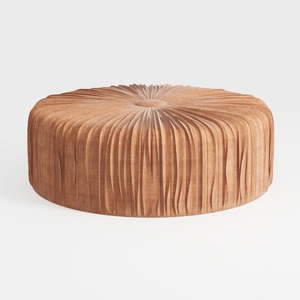
Minimalist Round Tufted Fabric Ottoman 3D Model

Minimalist Solid Wood Concrete Round Side Table 3D Model

Minimalist Travertine Top Solid Wood Round Coffee Table 3D Model
Discover the magic of home design with Homestyler! This top-notch platform features an intuitive online design tool, stunning 3D renderings, and a wealth of design projects and DIY video tutorials. Whether you're a novice or a pro, Homestyler will inspire and guide you in creating your dream space!
Progetta ora GRATIS
































