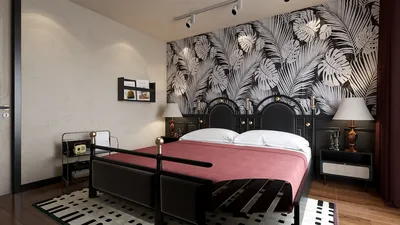


I consider the kitchen door a visual handshake, acting as the first point of contact with the busiest room of the home. A carefully curated entryway establishes the overall ambiance, controls lighting, and directs movement within the space. When designed thoughtfully, it enhances both aesthetics and functionality while maintaining a clutter-free environment.
Effective design prioritizes measurable comfort. Kitchen tasks thrive under balanced lighting conditions; as recommended by the Illuminating Engineering Society, general work surfaces should receive 300–500 lux. Additionally, minimizing glare at entry points aids the transition between spaces. I often incorporate soft, indirect lighting near the door to mitigate stark contrasts. For broader wellness goals, the WELL v2 framework underscores the importance of reducing glare and enhancing visual comfort during transitions, benefiting usability and overall mood.
The kitchen entryway significantly impacts flow and movement. Studies in office navigation have shown that clear thresholds can alleviate hesitation and improve task efficiency. Similarly, insights from workplace research indicate the benefits of smooth transitions—Gensler’s findings illustrate how clarity in the environment boosts performance and user experience. In the home, a purposeful door—reflected through color, signs, and lighting—allows residents to move seamlessly from relaxational areas into focused workspaces.
Enhancing the Frame: Trim, Casing, and Hardware
Begin with the door surround. An oversized casing, ranging from 3 to 3.5 inches, adds a sense of importance without overpowering smaller kitchens. I favor satin-finish hardware to reduce fingerprints and enhance tactile comfort. Lever handles offer greater ergonomics compared to knobs, especially when hands are damp. It’s wise to select a unified metal aesthetic—like brushed brass paired with warm tones, or matte black with cool muted neutrals.
Understanding Color Psychology at the Door
Color conveys intention. Soft greens and muted blues promote a sense of calm, ideal for busy kitchens, while reds can inject energy if used judiciously to prevent visual fatigue. Light-reflective neutrals (LRV 60–80) brighten smaller entries by bouncing daylight. For behavioral direction, employing color zoning on the door's interior can signify specific task areas—a correlation recognized in everyday environments, as noted by Verywell Mind's exploration of color psychology.
Illuminate the Entry: Ambient, Task, and Accent Lighting
Layering light helps prevent harsh contrasts. I prefer a low-glare sconce positioned 6 to 8 inches above the casing or a slim LED fixture that dims to 20-30% at night. If the door opens to a darker hall, incorporating a motion sensor is beneficial for providing a gentle welcome light. Aim for color temperatures around 2700 to 3000K for a cozy evening ambiance; a range of 3000 to 3500K is suitable for daytime clarity, directing light patterns to avoid reflecting off glossy surfaces.
Utilizing Glass Inserts and Sightlines
Frosted or reeded glass can soften visibility while still allowing daylight to filter through. Transparent glass panes can frame the kitchen like a beautiful vignette, which works best when the space is tidy. For added privacy, a half-lite with textured glass can ensure light permeates while maintaining subtlety. Be mindful of sightlines; if the preparation area is visible, enhance the view with a focal shelf or art piece, ensuring that the doorway feels intentional and composed.
Choosing Door Styles: From Shaker to Steel
Select a door that complements your kitchen’s ambiance. A classic single-panel Shaker door seamlessly integrates with a variety of cabinet styles. Alternatively, for contemporary spaces, a slim steel-framed glass door can lend precision and create a sense of visual space. In compact settings, pocket or barn doors can conserve swing clearance while providing an opportunity to integrate different materials—consider natural oak slats accompanied by matte hardware. Remember to prioritize acoustic performance, as solid-core doors significantly diminish sound transfer, helping to keep kitchen noise contained.
Ergonomics and Clearances
The doorway serves as a crucial transition point; keeping it clear is vital. Aim for at least a 32-inch wide opening for ease of use, with 36 inches being ideal for kitchens accommodating multiple users. Ensure that handle heights are positioned around 36 to 40 inches to suit the average user. If the door swings into a high-traffic area, consider testing the layout beforehand; utilizing a room design tool can help analyze hinge placement, swing arc, and clearance around appliances.
Texture, Materials, and Sustainability
Choosing durable surfaces is essential. I opt for low-VOC waterborne paints on the door, improving indoor air quality and simplifying maintenance. For tactile interest, consider incorporating a ribbed wood panel or a linen-wrapped inset treated with a washable sealant. In homes with frequent door contact—think kids or pets—select finishes that effectively conceal wear, like satin or eggshell. Additionally, FSC-certified wood or recycled steel frames align with sustainability goals, ensuring a lasting and eco-friendly finish.
Thresholds and Floor Transitions
The strategic placement of transition strips can significantly enhance design. A flush metal profile with an anti-slip texture informs users they are entering a designated task area. Maintain color consistency to avoid visual interruptions; when switching materials from wood to tile, be sure to match undertones. Acoustic comfort is further improved when thresholds are designed to absorb sound; incorporating a cork or rubber underlayment at the door can dampen noise from cookware and foot traffic.
Signage and Micro-Decor
Subtle decorative elements can leave a lasting impression. A slender plaque indicating ‘Pantry’ or a simple icon adds character without overwhelming the space. Drape a seasonal wreath made from understated materials (such as dried eucalyptus) to maintain a simple aesthetic. Ensure any decor depth is less than 2 inches for safety in high-traffic areas. A narrow shelf by the frame is perfect for a candle, a small herb pot, or a timer—fusing function with style.
Incorporating Smart Features and Night Navigation
Consider integrating a minimal keypad or touch plate if your kitchen also serves as a smart home hub. Motion-activated night lights set to 10–20% brightness can guide those entering in the dark without causing disruption. If opting for a glass door, think about including subtle edge markers, like contrasting strips or dots, to enhance visibility for all ages.
Seasonal Updates and Decor Changes
Plan for seasonal refreshes. Rotating textiles (like door hangers and ribbons) can be a fun way to keep a cohesive palette. A winter door might welcome richer colors and textures, whereas summer favors light and reflective finishes. I maintain a small kit with painter’s tape, Command hooks, and curated decor items for effortless updates.
Considering Balance and Proportion
It’s wise to consider ratios when designing your doorway. For a tall, narrow door, adding horizontal emphasis through a transom or wider head casing can create balance. Conversely, wider doors may benefit from vertical detailing, like narrow panels or ribbing, to restore proportion. Avoid cluttering already busy cabinets; let the doorway remain a clean, minimalist focal point within the overall design.
Addressing Acoustics and Privacy
In open-concept homes, kitchens can be noisy. Solid-core doors, combined with soft-close hardware and a bottom sweep, can significantly mitigate sound transmission. If proper ventilation is essential, ensure pressure equalization to prevent slamming. For additional privacy, using opaque films on glass can strike a balance between maintaining light and creating a sense of separation.
Prioritizing Safety and Maintenance
Ensure that handles have smooth edges and avoid protruding hooks that can snag clothing. Use washable paint along the areas of the door frequently touched, and consider installing a small catch plate if you wear rings. Regular monthly cleaning with mild soap can help preserve the door's finish by removing oils and acids that could lead to deterioration.
Strategizing Layout: Swing, Pocket, and Views
If space is limited, consider exploring pocket or bifold doors to optimize circulation. Verify that appliance doors won’t obstruct entryways, and position waste or recycling bins away from the doorway. I like to conduct a visual test with an interior layout planner to assess sightlines—the view through the door should focus on a neatly organized and attractive element, such as open shelving or a calming piece of artwork.
Establishing Decor Themes by Style
Incorporate a matte black handle, slim steel frame, neutral paint with a high LRV, and a subtly backlit sconce for a cohesive look.
Utilize a Shaker profile, soft pastel colors, a porcelain knob, and a seasonal wreath adorned with restrained greenery for a classic touch.
Choose reeded glass, brushed brass hardware, warm gray trim, and a reclaimed wood threshold for a cozy atmosphere.
Use white oak casing, a linen inset panel, 3000K lighting, and a herb shelf nearby for a natural aesthetic.
Deciding on the Color Palette
I typically begin with the tones of the cabinetry, then consider the counter materials, and finally the daylight entering the space. If the cabinets are dark, I might opt for a lighter trim and brighter metals for the door. When countertops feature patterns, I prefer to keep the door understated. Daylight also plays a crucial role in determining color temperature; areas with north-facing light benefit from warmer hues, while south-facing light allows cooler neutrals to stand out.
Essential Quick Checklist
- Confirm swing clearances and the ergonomic height of handles for ease of use.
- Provide balanced illumination of 300–500 lux in surrounding areas while preventing glare.
- Select a consistent hardware finish and use durable paint for longevity.
- Determine the desired level of privacy: options include clear, frosted, or reeded glass.
- Strategize floor transitions for comfort and sound quality.
- Keep micro-decor minimal and safe, ensuring it doesn’t obstruct swinging doors.
- Utilize a layout simulation tool before making hardware changes to verify design choices.
FAQs
Q1: What door color is ideal for compact kitchens?
A light neutral with a high light reflectance value (60–80) can help amplify available light, visually enlarging the area. Pair this with warm hardware to add depth without heaviness.
Q2: How bright should the entry lighting be?
Maintain a soft illumination at the doorway to assist with transitions between spaces; task areas nearby should target 300–500 lux, utilizing low glare and dimmable features to prevent stark contrast shifts.
Q3: Is glass practical in a high-traffic kitchen?
Absolutely, with the appropriate texture. Reeded or frosted glass reduces visibility while allowing daylight in, and these surfaces are easy to clean. Safety glazing is recommended if the door is in a high-use area.
Q4: Which hardware finish is best for minimizing fingerprints?
Satin or brushed finishes work best in managing smudges, outperforming polished metals. Matte black options are effective but may display oils if too flat; a durable powder coat is recommended.
Q5: How do I minimize noise in the kitchen through the door?
Opt for a solid-core door, incorporate a bottom sweep, and think about using soft-close hardware. Adding a cork or rubber underlayment at the threshold will also help dampen sound.
Q6: What door style complements modern cabinetry?
A single-panel Shaker door or a slim steel-framed glass door delivers a clean visual that pairs well with flat-front or minimalist cabinetry.
Q7: What’s a safe approach for decorating the door?
Keep any decor shallow (no more than 2 inches) and clear of the handle swing. Avoid fixed hooks that can snag clothing and opt for removable adhesives or slim magnetic mounts instead.
Q8: Can color affect the cooking atmosphere?
Definitely. Cooler tones induce calm and focus, while warmer accents can invigorate. Use vibrant colors sparingly at the entry to prevent visual fatigue, aligning with established color psychology principles.
Q9: How do I choose between swing and pocket doors?
Assess circulation needs, appliance clearances, and acoustic requirements. While pocket doors save space, they are less effective for sound isolation; swinging doors offer simplicity and better sealing capabilities.
Q10: Any quick tips for seasonal updates?
Consider swapping out a wreath, refreshing ribbon colors, changing out a small plaque, and adjusting the sconce temperature (using warmer lighting in winter and cooler in summer) for subtle, timely changes to maintain a fresh feel.
Homestyler is your go-to online home design platform, perfect for bringing your ideas to life. With its user-friendly design tool, stunning 3D renderings, and a wealth of DIY video tutorials, you can explore endless design possibilities and create your dream space effortlessly!
Design jetzt kostenlos
































