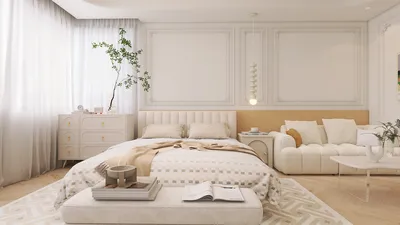


Intimate weddings excel in residential venues where the ambiance, layout, and scale feel personalized. By maintaining a small guest list, I can focus on key comforts—sightlines, lighting, sound quality, and materials—rather than grand displays. Research by Steelcase supports this method, indicating that environments designed for social interaction and orderly movement can alleviate stress and enhance comfort, which is essential for a small wedding. The WELL v2 guidelines also underscore the importance of adjustable lighting and acoustic comfort, such as controlling background noise, illustrating why a carefully chosen home venue might offer more warmth than a large ballroom. Utilizing tools like Homestyler can further aid in visualizing these intimate settings.
The dimensions of a space are crucial. For open reception areas, I aim for approximately 10 to 15 square feet per guest, while seated dinners benefit from 20 to 25 square feet per person. This approach aligns with recognized comfort levels in both workplace and event settings and corresponds to WELL v2’s principles regarding spatial adequacy and circulation. The lighting norms from IES remind us to reach 100 to 300 lux in ambient areas and 300 to 500 lux for specific tasks like buffet or guestbook, ensuring that faces are visible in photos while minimizing glare. Couples concerned about spatial arrangements can utilize a room layout tool to simulate traffic flow, seating arrangements, and ceremony focal points—like Homestyler—to help avoid congestion and unappealing views.
Intentional design significantly influences the mood of the event. According to color psychology, using warm neutrals and muted greens fosters a sense of calm and connection; meanwhile, vibrant accents can energize small areas such as photo booths. An overview from Verywell Mind reveals that blue tones promote relaxation, while warmer shades offer an inviting atmosphere—ideal for crafting unique spaces for mingling, vows, and dining. Ergonomically, I advocate for 36 to 42 inches of space behind chairs and maintain less than 24 inches between seats in conversation clusters, ensuring guests can easily engage without raising their voices. Soft furnishings, such as wool rugs and upholstered seats, can effectively reduce noise, allowing vows to be heard even without microphones in smaller venues.
How to Select the Ideal Home for a Wedding
Think in proportions. A living room with a width-to-length ratio of 1:1.5 or 1:2 is usually ideal for an elegantly framed ceremony aisle and provides balanced photo opportunities. Look for residences with at least two interconnected social areas, such as the living room plus dining or living room plus garden—this setup allows for smooth transitions between the ceremony, cocktail hour, and dinner. Additionally, having a separate preparation area for catering and a quiet retreat for the couple is advantageous. If there's an outdoor space, check the ground's level, availability of power sources, and prepare a contingency plan for rain. Keep in mind local regulations regarding occupancy limits and noise; these factors will have a more significant impact on your wedding's success than décor ever could.
Planning the Layout for Comfort and Flow
Begin by mapping out the day's events, focusing on the choreography before finalizing furniture arrangements. Position the ceremony focal point to avoid direct glare on guests, and arrange seating perpendicular to large windows to minimize squinting. It’s important to have at least two clear exit routes between distinct zones. In smaller living rooms, a diagonal aisle can shorten travel distances and enhance sightlines. I often utilize interior design software, like Homestyler, to effectively simulate various seating arrangements, bar placements, and lines at the buffet, allowing for an intuitive visual cue for guests.
For dining setups, an elongated table creates an intimate and visually striking atmosphere but requires unobstructed access on either side. Round tables can create a more relaxed environment, encouraging conversation among guests. It is vital to ensure a minimum of 42 inches of clear passage around dining tables; if space is limited, this may reduce to 36 inches, but care should be taken to avoid bottlenecks at doorways. If a dance floor is planned in the living area, aim for 9 to 10 square feet per dancing guest and ensure speakers are positioned to avoid overpowering bass sounds.
Creating a Cozy Lighting Atmosphere for Your Home Wedding
Layer your lighting to ensure faces are illuminated and details are vibrant. Aim for an ambient level of 100 to 200 lux with dimmable fixtures and wall sconces. Accentuate key areas, such as floral arrangements and the cake, with 200 to 300 lux, and provide task lighting of 300 to 500 lux at buffet tables, taking cues from IES recommendations for residential use without harsh glare. The warmth of the light is important—opt for 2700K to 3000K to enhance skin tones. Avoid mixing color temperatures across different rooms; consistency enhances mood and photo quality. Incorporate candles or enclosed lanterns for additional sparkle but ensure proper safety measures with clearances and drip guards. An uplight positioned behind the ceremony arch can cast soft halo effects during vows.
Acoustic Comfort and Clarity of Speech
Ensure that guests can hear the vows without effort. Strive for a balanced mix of sound absorption: incorporate a large rug in each main zone, upholstered seating, and fabric window treatments, along with some soft wall decor. Maintain control over hard surfaces to minimize echo; using angled furniture or bookcases can assist. If a small PA system is used, set speakers at ear level, angle them appropriately, and maintain a moderate volume to avoid drowning out conversations. The acoustics guidelines from WELL v2 emphasize the importance of reducing reverberation and background noise; often, simple adjustments within a home can have a more substantial impact than technical equipment.
Developing a Cohesive Color and Material Palette
Construct a color palette that enhances intimacy: warm whites, soft greens, and gentle blush or terracotta details. Utilize matte finishes to diffuse light reflections in smaller spaces. Natural materials such as linen, wool, and cotton absorb sound, regulate temperature, and project authenticity. Sustainability is also critical—opt for rented linens, reusable candle holders, locally sourced floral arrangements, and borrowed decor to minimize waste while maintaining style. Establish visual continuity by repeating one element throughout various zones, unifying the overall design.
Enhancing Guest Experience and Comfort
Small weddings shine when guests feel welcomed and at ease. Subtle wayfinding techniques—like floral markers and changes in lighting—can guide movement more gracefully than signage. Offer different seating options for elderly attendees and ensure easy access to water in both indoor and outdoor areas. Maintain a minimum clearance of 36 inches for mobility aids and steer clear of deep rugs that might trip guests. The coat drop should be near the entrance but easily visible. Providing a cozy seating area away from the main events allows introverted guests to recharge.
Understanding Logistics: Neighbors, Rules, and Scheduling
Communicate with your neighbors early on; share your plan and commit to an end time for events. Confirm details about venue insurance, access for vendors, and power capacity for catering and sound setups. If furniture relocation is necessary, take photos to ensure quick resets post-event. Discreetly place trash and recycling bins near catering areas. In case of outdoor plans, be prepared with tenting or umbrellas and rehearse contingency plans to ensure a seamless experience for guests.
Budgeting for Home Weddings
Allocate your budget toward the vital elements—lighting, florals, textiles, and sound. If the home’s furnishings are comfortable, furniture rentals can be minimal; consider supplementing with additional chairs or side tables rather than a complete set. Investing in a coordinator who understands how to navigate small space logistics can significantly enhance the flow and overall tranquility of your event. Photography will benefit from quality lighting and a cohesive color palette, often outweighing the need for excessive decor.
Examples of Floor Plans and Micro-Zones
Zone 1: Ceremony—arranged seating facing an arbor lit softly with uplights, with a rug defining the aisle instead of chairs. Zone 2: Cocktail—set the bar at the room's edge with 42 inches of clearance, and place high tables near windows for flattering photographs. Zone 3: Dinner—a long table as the centerpiece, with serving paths on both sides, while a sideboard serves desserts. Zone 4: A tranquil corner—featuring two armchairs, a low lamp set to 2700K, and a verdant backdrop for serenity. A room design visualization tool, like Homestyler, is invaluable for quickly iterating layouts and sharing them with vendors.
Coordinating Vendors and Establishing a Setup Timeline
Implement a 48-hour preparation schedule: Day 2 for cleaning and furniture adjustments; Day 1 for lighting, textiles, floral arrangements, and technical checks; and the event day for final styling and catering. Provide photographers with a shot list that aligns with different zones and lighting transitions. Adjust music volume and illumination levels according to the timeline—use warm, low light for vows; brighter task lighting for dining; and softer, directed lighting for the first dance.
Frequently Asked Questions
For standing cocktails, allot 10 to 15 square feet per person. For seated dinners, allocate 20 to 25 square feet per person. This ensures a stress-free circulation experience and prioritizes comfort.
Utilize 100 to 200 lux in ambient living areas and 300 to 500 lux in task-specific areas like the buffet or bar, adhering to IES guidance for home settings.
Setting lighting to a warm spectrum of 2700K to 3000K is ideal for flattering skin tones. Consistency in color temperature across rooms is vital to avoid mismatched photos.
Incorporate soft materials—like rugs, curtains, and upholstery—to diminish echo, orient chairs away from glaring light, and maintain a low volume of background music during the ceremony.
Consider a diagonal aisle, arrange seating in conversational clusters, and ensure two clear exit routes. Test layout options with a simulation tool, such as Homestyler, before finalizing chair rentals.
In smaller rooms, typically under 350 square feet with appropriate softer finishes, sound travels well. If a small PA is added, ensure speakers are placed at ear level, angled correctly, and avoid placement in corners.
Use a repeated motif and color scheme across different areas, leverage matte finishes, and create texture through textiles and floral elements while avoiding large props.
Share your timeline with neighbors in advance, establish set end times, adhere to local occupancy and noise ordinances, and verify vendor access and insurance details.
Research from Steelcase connects well-thought-out social environments with decreased stress, and the WELL v2 guidelines offer insights on lighting and acoustic comfort, both of which are crucial for small wedding designs.
Maintain at least 42 inches of space for service areas when feasible, with a minimum of 36 inches in tighter spaces, avoiding congestion near doorways.
Homestyler's roots trace back to Autodesk, the global leader in design and engineering software. That heritage lives on in every feature we build. Today, with a community of more than 20 million users worldwide, Homestyler continues to make professional-quality interior design accessible to everyone — from first-time decorators to seasoned architects.

Minimalist Modern Fabric L Shaped Sectional Sofa 3D Model
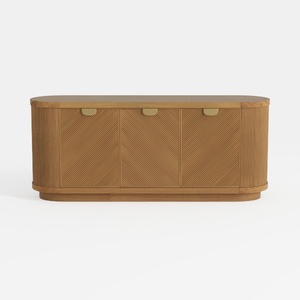
Modern Minimalist Solid Wood Fluted Sideboard with Brass Accents 3D Model

Modern Vintage Tufted Leather Ottoman Modular Sofa Seat 3D Model
Homestyler is the ideal platform for anyone looking to design their home effortlessly. With its user-friendly online design tool, stunning 3D renderings, and a wealth of inspiring design projects and video tutorials, you can unleash your creativity and transform your space like a pro!
今すぐ无料でデザイン
































