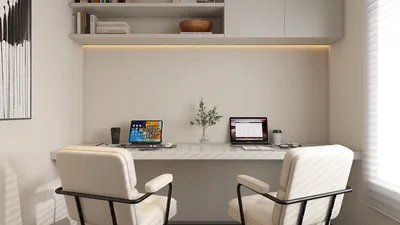


When I design a home shrine or prayer room, I focus on creating a space that harmonizes spiritual purpose, sensory tranquility, and practical function. A specialized room for worship—whether it be for Hindu rituals, Buddhist mindfulness, Christian prayers, or a serene interfaith gathering—should receive the same meticulous attention as I dedicate to crafting residential libraries or wine cellars. The end result needs to be visually peaceful, ergonomically careful, and acoustically insulated, ensuring that spiritual practices can be performed smoothly, without interference.
Research continuously shows that nurturing environments contribute significantly to well-being and usage. The WELL v2 standards emphasize the importance of high-quality lighting and sound comfort on mental health and rejuvenating experiences, thereby promoting strategies for managing glare and optimizing illumination for tasks requiring focus and reflection (referencing the WELL v2, Light & Sound concepts). Alongside this, Gensler’s studies in workplace design correlate the accessibility of tranquil, purpose-driven areas with increased satisfaction and perceived productivity—an observation that has also been evident in home sanctuaries where clarity and harmony are key. For lighting guidance, I adhere to IES recommendations targeting an ambient illumination of 100–300 lux in contemplative spaces, increasing to 300–500 lux at the altar for clear visibility of texts and ritual items.
Define Rituals to Shape Space Effectively
I start by outlining the specific rituals involved: standing aarti, seated meditation, floor prostrations, scripture reading, lighting incense, or ringing bells. The arrangement of spaces should reflect their intended use. For seated meditation, I allow a minimum depth of 900 mm per person, while kneeling or sitting arrangements along with a low altar require 1200–1500 mm for optimal comfort. If you are incorporating different postures (like standing and sitting), it's crucial to arrange flexible pathways around the central altar to prevent crossing near lit candles or lamps.
If you're modifying a corner of your bedroom or repurposing a small alcove, conducting a quick plan simulation can assist in evaluating clearances and sightlines; utilizing a simple room layout tool may also validate reachability, kneeling areas, and accessibility for storage before finalizing any construction.
Lighting: Soft, Layered, and Free from Glare
Lighting plays a pivotal role in setting the mood. I select a warm ambient layer at 2700–3000K, with dimming capabilities for transitions from the clarity of morning to the calm of evening. Accent lighting—whether through narrow beam spots or integrated LED strips—should gently illuminate the deity area or icons, carefully avoiding direct glare. For reading mantras or scriptures, a designated task light providing 300–500 lux is adequate; it is essential to use high-CRI (90+) lamps to ensure that colors remain true to life, reflecting the necessary dignity of the art. To manage reflections from candles and metallic surfaces, matte finishes should be prioritized around the altar.
In cases where incense is utilized, it's important to position LEDs away from areas where smoke rises and to use sealed, IC-rated fixtures if recessed lighting is installed. I also include blackout options for deeper meditation; a simple dual-layer window treatment consisting of sheer fabrics for daytime light diffusion and a lined curtain or shade for full darkness helps maintain intentional light control during rituals.
Understanding Color Psychology and Creating a Calm Environment
Color can greatly influence the mind. Soft neutral tones—warm whites, natural clay, sandy hues, and soothing sages—help to minimize cognitive strain, allowing ritual objects to take center stage visually. An overview of color psychology by Verywell Mind indicates that blues and greens promote calmness and recovery; therefore, I reserve more vivid colors for small focal points behind the altar to foster depth without overwhelming the senses. Utilizing natural materials—such as oiled wood, linen, rattan, and clay tiles—enhances tactile experience and sound dampening, while polished stone or terrazzo provides a solid foundation.
In spaces designed for Hindu or Buddhist practices that include brass or gold elements, I balance their shine with adjacent matte surfaces to ensure the altar appears radiant rather than overly glossy. For Christian prayer areas, a solitary wooden cross against a textured limewash wall can evoke profound significance; in interfaith settings, a neutral framework with concealed storage offers a method for safeguarding symbols while keeping the layout discreet.
The Importance of Acoustic Comfort and Privacy
Prayer flourishes in serene acoustic conditions. I incorporate soft materials such as wool rugs (700–1200 g/m² pile weight), fabric wall panels on supports, or even linen drapes across doors leading to corridors. In compact areas, a cork underlay beneath wooden flooring can help attenuate impact noises. Simple additions like door sweeps and weatherstripping can vastly enhance the feeling of privacy. If chanting or the use of bells is commonplace, small sound-absorbing panels behind the altar along with rugs beneath seating can mitigate sound reverberation gently without making the room feel stifling.
Enhancing Ergonomics: Reach, Comfort, and Safety
The height of the altar should cater to posture. For standing aarti and lamp arrangements, a top height between 900–1000 mm suits most adults; for seated or kneeling use, lowering the altar to 650–750 mm is best. It is essential that everyday items are kept within a vertical reach of 500–1200 mm. Candles and diyas should be placed on non-flammable trays with at least a 200 mm gap from any drapes. If incense is to be used, it should be located away from breathing zones; a small, quiet fan on a low setting can help direct smoke toward a window without creating drafts near a flame.
For extended meditations, I recommend sturdy cushions (70–90 kg/m³ foam or buckwheat hulls) alongside lumbar support. If chairs are the preferred option, aim for a seat height of around 430–460 mm with an ergonomic back angle of approximately 100–110 degrees. Kneelers can be positioned at a height of 150–200 mm to alleviate pressure on the ankles.
Storage that Respects and Protects Ritual Objects
Ritual items deserve to be housed thoughtfully. Closed, ventilated cabinets provide protection for incense, oils, and sacred texts; shallow drawers (60–100 mm) keep matches, bells, and malas neatly organized. It's wise to include a lockable drawer for valuables and a heat-resistant compartment for oil lamps. Designing integrated cable management systems will eliminate visual clutter, especially if you incorporate speakers for chanting through the space.
Key Layout Principles for Homes of Any Size
In smaller living situations, a wall-mounted niche with a foldable kneeler conserves floor space. The altar should be aligned visually with a tranquil backdrop, steering clear of busy areas like kitchens. In larger residences, having a separate room allows for a nuanced experience: incorporating thresholds or screens leading up to the altar. This rhythm reinforces spiritual intention every time one enters the space.
Before securing construction or rearranging walls, it can be beneficial to prototype the plan using a layout tool to evaluate circulation paths around open flames, kneeling space, and accessibility to storage—all without turning your back to the altar.
Ventilation, Aroma Management, and Ease of Cleaning
Proper ventilation is essential to maintaining a fresh atmosphere without disturbing flames. I generally prefer a low-sone (≤1.5) inline fan on a timer, pulling air softly toward an exterior vent. Using trays beneath oil lamps and specifying easy-to-clean surface treatments—like sealed stone, washable paint (eggshell), and removable rug covers—facilitates maintenance. Keeping a non-shedding cloth and a fire-safe waste container nearby is also recommended.
Sustainability and Longevity in Design
Opting for FSC-certified wood, low-VOC finishes, and LED lights with replaceable components is advisable. Utilizing natural fabrics and locally-sourced stone not only reduces overall carbon footprint but also enhances the physical experience of the space. Design with maintenance in mind by implementing modular altar platforms, replaceable panel materials, and maintenance-friendly lighting fixtures to extend lifecycle without contributing to waste.
Styling with Minimalism in Mind
It's important to limit decorative elements, allowing sacred objects to take precedence. One primary icon, a serene background, and a single natural textile or greenery (non-scented for allergy concerns) can be sufficient. If displaying multiple deities or icons, it’s best to arrange them by height and material color temperature to achieve a visual equilibrium—placing taller, darker pieces toward the back and lighter elements in front.
Practical Insights from Experience
In a recently designed compact city apartment, we integrated a recessed timber nook with concealed LED lighting and a fold-down kneeler; the client reported enhanced consistency in their rituals attributed to the reduction of setup friction. In a family home, we created a double-door vestibule to attenuate noise from a playroom; a wool runner combined with linen wall panels effectively subdued sound reverberation, making evening prayers feel intimately audible without causing a whispering hush.
References and Further Reading Suggestions
For expanded insights on lighting and well-being, refer to the WELL v2 Light and Sound concepts at wellcertified.com, and consult IES standards at ies.org/standards to ensure safe, comfortable lighting within residential contemplative settings.
Frequently Asked Questions
For a space designed for one individual, it is advisable to allocate at least 1.5–2.0 m² of unobstructed floor area for seating or kneeling along with the altar itself. If multiple participants are involved, approximately 0.9 m depth per person should be planned in a row while ensuring sufficient circulation around open flames.
Cultural traditions can differ widely. From a design perspective, prioritize using a quiet wall with a minimal number of doors or windows. Manage glare from windows to ensure icons are bathed in light from the front or sides without creating silhouettes.
For ambient warmth, incorporate a 2700–3000K lighting scheme with variances of dimness. When reading, complement with a 300–500 lux task light while ensuring a CRI of 90+ for the faithful representation of artwork and flora.
Incorporate a subtle, quiet exhaust pathway—such as an inline fan with a timer or slightly opened windows—to promote airflow without disrupting flame stability. Maintain low airflow to prevent flickering flames.
Utilize non-flammable surfaces such as stone, ceramic, or metal trays under any flame sources, with adjacent matte finishes to minimize glare. Ensure a clearance of 200 mm from any textiles and provide a stable platform for placement.
Incorporate a solid-core door with weatherstripping, add a door sweep, utilize a wool rug, and install fabric panels on one wall. Even small efforts can significantly reduce sound transmission and echo.
Yes—consider a recessed niche or cabinetry with pocket doors. Orient this design away from prominent visual distractions like television screens and thoroughfares. Layer the lighting so that the altar remains softly lit while the surrounding room can become darker when needed for reflection.
Incorporate a shallow drawer setup for routine use items, a ventilated storage cabinet for incense/oils, and a secure compartment for valuables. Integrated cable management helps maintain a visually serene environment.
Use washable paints (eggshell finish), sealed stonework, oiled woods, and removable fabric covers. Place trays beneath oil lamps and utilize ash catchers in conjunction with incense.
Elevate the altar to roughly 900–1000 mm for standing rituals, provide a chair with a seat height around 430–460 mm, and ensure stable points for grabbing if kneeling is included in the ritual, along with non-slip rugs.
Design with three circuits: ambient, altar accent, and task-specific lighting. Incorporate dimmers and predefined settings for morning, afternoon, and evening rituals to facilitate ease during setup.
Use soft neutral tones for the general space, saving soothing greens and blues for lower saturation accents while allowing ritual objects to serve as visual contrasts. This approach maintains focus on spiritual intent instead of visual clutter.
No, a well-conceived niche or cabinet can be equally impactful if acoustics, lighting, and storage considerations are done intentionally. During design, utilize layout simulation tools to secure pathways and safety.
Consider employing discreet speakers for chanting, hidden charging solutions for electronic candles, and low-level motion-activated night lights for safe entry. It's best to keep screens out of sight to maintain focus during practices.
Incorporate concealed storage for various symbols, a neutral curved backdrop, and adaptive lighting solutions. Establish communal expectations for upkeep and fire safety in the shared space.
Homestyler's roots trace back to Autodesk, the global leader in design and engineering software. That heritage lives on in every feature we build. Today, with a community of more than 18 million users worldwide, Homestyler continues to make professional-quality interior design accessible to everyone — from first-time decorators to seasoned architects.

Minimalist Japandi Solid Oak Rattan Coffee Table 3D Model

Modern Fabric L shaped Sectional Sofa with Side Nightstand 3D Model
Minimalist Fluted Oak Round Side Table 3D Model
Looking to transform your home? Homestyler is your go-to online design platform! With its easy-to-use design tool, stunning 3D renderings, and an array of inspiring design projects and DIY video tutorials, you'll effortlessly bring your vision to life. Start designing today!
Concevez maintenant gratuitement
































