

When designing garden banquet halls, my primary objective is to allow nature to influence the ambiance while ensuring that the layout fosters smooth movement, comfort, and a hint of sophistication. Achieving the right balance among natural light, acoustics, and guest flow is just as important as the decorative elements such as florals and linens—because creating a remarkable event relies on human experiences more than mere visual appeal. To help visualize and plan these spaces effectively, tools like Homestyler can be utilized.
Natural light enhances alertness and emotional well-being, but if not properly managed, it can lead to discomfort through glare and excessive heat. The WELL Building Standard v2 identifies access to daylight and glare management as essential factors in achieving comfort and optimal performance. Research by Steelcase suggests that well-designed environments that balance visual interest with controlled brightness can minimize eye fatigue and stress, reminding us to treat sunlight as an essential material to be calibrated rather than just appreciated.
Guests are active participants in the event, moving about, socializing, dining, and capturing memories. Their behaviors directly influence the design elements, such as routing, table arrangements, and sound zones. I base my plans on proven hospitality principles, recommending a space allocation of 10–12 square feet per seated guest for round tables, accounting for service paths, and increasing to 14–16 square feet for plated meals amidst richly decorated aisles. In a garden setting, this approach must adapt to the natural landscape, ensuring that walkways remain clear for both service and photography opportunities.
Light Strategy: Daylight, Shade, and Evening Ambiance
Evaluate the garden's orientation first. Gardens facing west may experience intense and low sunlight during late afternoons. Implement layered shading solutions such as strategically planted trees, tensile canopies, and adjustable parasols, complemented by soft uplighting for evening events. For dinner service, achieve horizontal table illuminance levels between 150–300 lux, with floral accents illuminated to 300–500 lux. It’s crucial to maintain a correlated color temperature (CCT) of 2700–3000K for evening lighting to enhance skin tones. Adhering to IES glare control standards, I choose fixtures with low Unified Glare Rating (UGR) optics and indirect lighting paths to diminish harsh reflections in glassware.
Introduce elements like candlelight or warm micro-LED strings for a touch of sparkle, but be cautious to avoid excessive brightness around reflective surfaces. For dance areas, combine ambient lighting of 150–250 lux with dynamic accents, ensuring softer beam edges to prevent strong contrasts. Pathway lighting should provide 30–50 lux to ensure that the terrain remains clearly defined without overwhelming the garden's natural attributes.
Acoustic Comfort: Softening Nature’s Echo
Many outdoor banquet halls include partial enclosures, pergolas, or tenting, which may cause sound reflection. A well-designed soundscape enhances conversations while distributing music evenly without causing fatigue. To achieve this, I combine various sound-absorbing materials like fabric ceiling liners, upholstered seating, and hidden acoustic panels made from moss or felt that blend into floral arrangements. Instead of relying on a single loudspeaker, I utilize a distributed setup with low-volume speakers to avoid creating hot spots and support clearer conversations. The placement of sound sources is also critical; avoid directing audio towards hard surfaces such as stone pathways or glass.
Tented areas benefit from broadloom rugs or modular carpet tiles placed under dining spaces to absorb footfall noise and stabilize tables on uneven ground. Small adjustments in materials, such as using denser linens and padded chairs with fuller drapery, can significantly decrease reverberation and ensure clearer toasts.
Spatial Ratios and Flow
Visualize your space in distinct areas: arrival, mingling, dining, staging/dancing, and retreating. It is essential to maintain two clear service lanes of 5–6 feet circling the dining space, with 18–24 inches of clearance between the backs of chairs at full capacity. Photo booths and dessert stations should be positioned just outside main traffic areas to attract guests while keeping circulation smooth.
If the layout of your garden hall is mutable, consider using a room layout tool to experiment with table spacing, aisle widths, and sightlines. I often conduct quick simulations to find the right balance between visibility for the stage and the placement of shading elements and electrical runs.
Material Selection: Weather-Savvy and Elegant
Banquet halls designed for outdoor use should incorporate weather-resistant materials such as moisture-repellent fabrics, powder-coated metals, and treated woods. Selecting table linens with tight weaves can prevent snags and wrinkles; pairing natural fibers with performance yarns enhances both tactile quality and durability. Slipcovers and chair padding should be easily removable to facilitate the quick transition between events. For floors under tented areas or pergolas, modular systems with anti-warp cores and concealed edges are ideal for compliance with the Americans with Disabilities Act (ADA).
Centerpieces should be visually appealing without obstructing sightlines across tables; use low profiles of 12–14 inches or elevated designs of 28–32 inches to keep the view clear. Weighted bases help resist wind, and consider using water reservoirs in vases to ensure flowers remain fresh throughout the event.
Color Psychology and Visual Balance
Nature provides a backdrop of greens and neutrals; I often guide color palettes toward soft, warm tones to create harmony. Insights from Verywell Mind on color psychology reveal that blues evoke calm, greens promote balance, and warm tones encourage conviviality—use these as inspirations rather than strict rules. Practically, anchor your color scheme with two primary colors and a single accent, applying the accent thoughtfully on items like napkins, floral arrangements, or stage backdrops, rather than across all surfaces. Keeping metallics within one family, whether brushed brass or champagne, allows for cohesive reflections rather than chaotic clashes.
Human Factors: Seating, Ergonomics, and Accessibility
The ergonomics of seating are vital, even for short-format banquets. Target seat heights between 17–19 inches, providing ample back support and a slight lumbar curve. Table edges should be rounded to reduce pressure on the forearms during extended speeches. Ensure a continuous, firm path from arrival to seating areas for guests using mobility aids, including temporary threshold ramps at the edges of tents and cable covers to prevent tripping hazards.
Buffets and interactive stations function best with clear access of 36–42 inches, along with 24–30 inch setback areas for staffing. Handwashing and hydration stations should be clearly marked but situated off main pathways to minimize congestion.
Weather Resilience and Power Planning
Always prepare for a contingency plan. Analyze potential wind patterns, incorporate tie-downs and weighted bases, and use transparent sidewalls to shield against gusts while preserving views. Divide electrical loads by zones (dining, stage, kitchen) with dedicated circuits and GFCI protection. If needed, battery-operated uplights can add flexibility around planter beds where wiring is not feasible. Distribute heaters evenly to maintain temperature without creating hotspots at specific tables.
Integrating with the Landscape and Photo Opportunities
Utilize existing trees and hedges to form natural frames. Design minimalistic structures—such as arches, trellises, or floating floral canopies—to outline key views. Position photo opportunities away from primary traffic to provide stable ground and soft backlighting, alongside convenient storage for props. Achieve a balance of vertical elements with horizontal tranquility: long tables can mimic garden lines, while round tables introduce softer, more inviting shapes.
Evening Transformations: Rhythm and Atmosphere
As the sun sets, orchestrate the transition: warm the color temperature, elevate table lighting slightly, and dim ambient lighting around the perimeter to draw the focus inward. Gradually increase music volume following the first course and lower it again for speeches. Introduce a subtle scent—perhaps herbal or floral—near entrances, but steer clear of dining tables. The rhythm should feel seamless and deliberate.
For lighting and wellness performance metrics, I depend on insights from the WELL v2 Standard and findings from Steelcase research regarding environmental comfort in social settings. Both emphasize the importance of controlled brightness, sound moderation, and a design centered on human well-being.
Suggestions 1: Stage and AV Visibility
Raise the stage slightly (8–12 inches) and angle head tables so that no guest is positioned more than 60 degrees off-axis from the primary speaking point. Ensure that screens remain legible in varying light conditions; matte finishes help reduce glare in mixed lighting scenarios.
Suggestions 2: Table Configurations and Density
Outdoors, 60-inch round tables comfortably seat eight, while 72-inch rounds can house ten but require wider aisles. Rectangular banquet tables (30 × 96 inches) create elegant lines and facilitate service on narrow lawns. A mix of table types can effectively adapt to the terrain and enhance visual appeal.
Suggestions 3: Service Coordination
Separate catering preparation from plating operations by at least one partition or hedge to control noise and heat. Employ silent service indicators—such as linen folds or sequences for lighting candles—to cue staff for transitions discreetly.
Suggestions 4: Safety and Navigation
Implement low-glare markers for elevation changes, unobtrusive signage near restrooms, and provide a simple map upon arrival to aid guests in navigating the space. Offering umbrellas and shawls at an accessory station reflects attentive hospitality while also managing potential risks.
Frequently Asked Questions
Plan for each seated guest to occupy 10–12 square feet at round tables, ensuring access to clear aisles. For plated service accompanied by dense decor outdoors, increase this allowance to 14–16 square feet, adapting to the terrain as necessary.
Aim to achieve 150–300 lux illumination on tabletops with warm light in the range of 2700–3000K. Accent floral arrangements should be highlighted at 300–500 lux, with pathway lighting maintained at around 30–50 lux to ensure safety without glare.
Utilize indirect uplighting and low-UGR fixtures, positioning candles at eye level for a gentle glow. Employ matte chargers and diffusers to counteract harsh highlights.
Strengthen acoustic comfort through a combination of fabric ceiling liners, carpets, upholstered seating, and carefully placed low-output speakers. Avoid directing sound towards hard surfaces like stone paths or glass to minimize reflection.
60-inch round tables offer stability and flexibility; modular rectangular tables create seamless flow that works with the natural landscape. Use weighted bases and concealed leveling solutions for stability.
Favor softer, warm shades with a single accent, blending harmoniously with natural greens. Utilize blues for calm, greens for balance, and warm hues for social engagement—selectively applying these principles leads to a cohesive color scheme.
Make use of weighted bases, adjustable sidewalls with clear panels, and tie-downs. Establish a contingency plan featuring zoned electrical setups, battery-operated uplights, and evenly dispersed heating solutions.
Position points of interest just outside the main aisles on stable terrain, angling them to draw guests away from traffic flow while preserving access for service.
Ensure stages are raised 8–12 inches high to improve visibility while maintaining an intimate atmosphere. Verify sightlines from the furthest seating positions before final decisions are made.
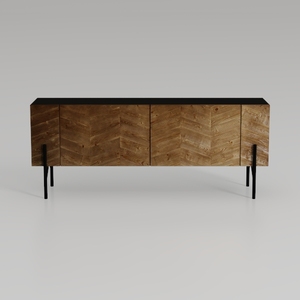
Modern Chevron Solid Wood Metal Sideboard 3D Model


Modern Rattan Solid Wood Linen Upholstered Chaise Lounge 3D Model
Homestyler is your go-to online platform for home design! With its user-friendly design tool, stunning 3D renderings, extensive design projects, and helpful DIY video tutorials, transforming your home has never been easier or more inspiring. Start bringing your vision to life today!
تصميم الآن مجانا
































