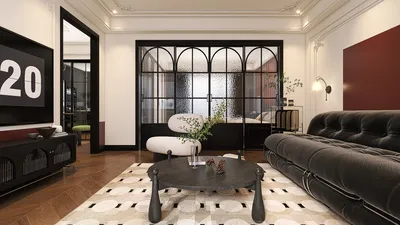


As we navigate the complexities of modern life, families are now faced with balancing noise, caregiving responsibilities, and remote work. Recent AIA surveys indicate a growing emphasis on versatile spaces and soundproofing, making it more crucial than ever for homes to reflect these trends. In a 3 BHK house utilizing Homestyler for planning, the layout transforms into a dynamic interface that can integrate wellness, productivity, and family practices seamlessly. The evolution of residential spaces is leading us to design homes that function like efficient networks, accommodating both work and leisure without disruptions.
spatial optimization toolkit
Hybrid Central + Quiet Periphery
Design Framework: Position the living and dining areas as the core processing unit of the home while locating bedrooms along the quieter outskirts, ensuring that daily routines remain undisturbed, even during peak hours.
Flow Dynamics: From the entrance to the mudroom, transitioning through the central living area, then to kitchen spaces, and finally the bedrooms; this design minimizes overlap and congestion in movement.
Visual Access: Upon entering, there is a gentle introduction to the living area; the kitchen is partially enclosed while bedrooms are tactically positioned to maintain privacy, akin to less urgent browser tabs.
Storage Solutions: Utilizing built-in perimeter cabinetry as a storage cache, complemented by shallow pantry walls and drawer benches to ensure that the main hub remains streamlined and uncluttered.
Furniture Specifications: Sofas approximately 86-92 inches, dining tables at 72” x 36”, and a modular media unit no deeper than 14 inches, all designed to facilitate smooth movement for strollers and work carts.
Conclusion: This architectural setup efficiently supports everyday activities—hosting gatherings, assisting with homework, and ensuring quiet sleep—without delays or visual clutter over the next five years.
save pin
Split Primary Suite + Dual Flexible Rooms
Design Framework: The main suite serves as a tranquil anchor while two additional rooms adapt for work-from-home setups, nurseries, or guest accommodations, reflecting the NAHB’s focus on multifunctionality.
Flow Dynamics: The suite is strategically located near the bathroom; the flexible rooms surround the vibrant living area, with door movements strategically planned to avoid overlap as in asynchronous processes.
Visual Access: The suite benefits from a dressing alcove, while the flexible rooms’ doors are positioned off-axis, preventing workspaces from being visible in communal areas.
Storage Solutions: Equipped with wardrobe towers and under-bed compartments; these versatile rooms incorporate rail shelving that can easily transition from being organized for files to toys or linens.
Furniture Specifications: The master suite fits a queen bed (60” x 80”), while the two versatile rooms accommodate twin beds with desk space or sofa beds, optimizing morning routines with easy navigation.
Conclusion: This design provides a serene center supported by adaptable spaces; as children mature and job responsibilities change, the layout remains consistent yet flexible.
save pin
Kitchen Spine + Balcony Barrier
Design Framework: Establish a linear kitchen spine complemented by a balcony to serve as a thermal and social barrier, making cooking the central command of daily activities.
Flow Dynamics: From preparation to cooking to plating and enjoying meals on the balcony; short routes for quick coffee breaks and long routes for social gatherings optimize daily functions.
Visual Access: Low partitions define the cooking area; balcony views serve as refreshing breaks from intensive tasks, much like a status indicator.
Storage Solutions: Featuring a pantry wall measuring 48-60 inches plus toe-kick drawers; balcony cabinets provide additional seasonal storage, keeping interiors airy and efficient.
Furniture Specifications: Kitchen counter depth set at 25 inches with aisles of 42 inches; an island measuring 72” x 36” is included if space allows; a bistro set on the balcony should be no more than 30 inches in diameter to maintain flow.
Conclusion: The interplay of food, airflow, and natural light runs parallelly within the home, providing an adaptable environment ready for lively gatherings or peaceful mornings filled with focus.
save pin
Final Insight
When designed as a living interface, a 3 BHK floor plan can accommodate the necessities of hybrid work, childcare, and relaxation seamlessly. Variants such as different 3-bedroom layouts and designs can take advantage of core-and-edge principles, where flow and storage function like a well-written program. By considering furniture placements as functional limits and optimizing sightlines as an information framework, homes can remain adaptable for future needs. From my perspective, the homes of tomorrow will not necessarily increase in size but become more thoughtfully designed.


Homestyler is your go-to online home design platform! With an easy-to-use design tool, stunning 3D renderings, a plethora of design projects, and informative video tutorials, you can effortlessly transform your space into your dream home. Experience the joy of DIY design today!
지금 무료로 디자인하세요
































