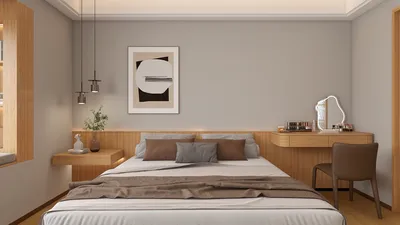


When I approach designing a drawing room, I treat it like a well-curated wardrobe: selecting a core color palette that enhances the space, incorporating standout features, and ensuring the lighting highlights everything beautifully. The choice of colors goes beyond mere aesthetics; they play a crucial role in influencing mood, conversation flow, and overall comfort. Research highlights that both color and lighting significantly affect our feelings and behaviors within our homes. For instance, WELL v2 emphasizes the importance of well-regulated lighting and visual comfort, linking these elements to overall health and comfort. Notably, a study from Verywell Mind on color psychology reveals that cool colors, such as blues and greens, can instill calmness and reduce stress, whereas warm colors create an inviting and energetic atmosphere, making them ideal for spaces designed for social interaction and relaxation. Incorporating tools like Homestyler can help visualize these effects before implementation.
The level of ambient light also plays a significant role in how colors appear. The Illuminating Engineering Society (IES) suggests maintaining light levels between 100–300 lux in living rooms, depending on activities and occupants' ages; I consider this a fundamental range for evaluating colors. A study from Steelcase correlates sensory conditions—including lighting and glare control—with overall well-being and productivity; this concept applies to home design too. Mixing both task and ambient lighting strategies ensures colors appear accurately and comfortably. I test paint samples at various times throughout the day, as daylight color temperatures can range from 2700 to 6500K, affecting the shades' undertones and perceived depth.
Establishing the Ambiance: Desired Room Feel
Prior to selecting paint colors, I define the room's intended use. A drawing room often serves multiple functions—hosting, reading, and enjoying quiet moments. For calm conversations and cozy lounging, I recommend utilizing desaturated cool colors, nuanced neutrals, and mid-value tones that won’t compete with evening lighting. Alternatively, if the goal is to foster a lively cocktail atmosphere, consider a warmer palette featuring muted terracotta, rich olives, and charcoal, paired with crisp textile and art contrasts, all of which can be effectively visualized using Homestyler.
Enduring Neutrals with Depth
Neutrals can stabilize the palette. I shy away from plain builder beige and instead opt for complex neutrals with subtle undertones that respond well to natural light. My preferred color families include:
Pair these with soft white trim (avoiding stark gallery white) to ensure a gentle edge. I keep the sheen at matte or eggshell on walls to minimize glare, reserving satin for trim for durability.
Soothing Blues and Greens for Serenity
For tranquil spaces, I frequently choose subdued blue-greys or soft eucalyptus greens. Verywell Mind's insights align with these selections—blues promote stability and calm, while greens signify balance and rejuvenation. These colors pair harmoniously with brass accents, oiled woods, and stone. In south-facing rooms that receive warm light, these cooler hues balance the warmth without feeling frosty. Conversely, for rooms facing north, select blue/green shades with warm gray or yellow undertones to prevent a cold feel.
Grounded Warmth: Terracotta, Ochre, and Clay
When inviting depth into a room, I opt for earthy pigments. Muted terracotta, cinnamon, or clay tones offer a sophisticated warmth that feels cultivated rather than rustic, particularly when kept low-chroma. Pair these colors with walnut furniture, cognac leather accents, and aged brass to create a tailored lounge atmosphere. In smaller spaces, maintaining mid-value colors on the walls while utilizing lighter upholstery helps sustain a sense of airiness.
Embracing Deep Hues for Intimacy
Rich, dark hues can mitigate glare while allowing artwork and brass details to shine. Colors like charcoal with brown undertones, midnight blue, and smoked plum are perfect for evening settings. To offset the constraining effect of dark paints, incorporate layered lighting; I recommend using 2700–3000K lamps at eye-level (like floor and table lamps) to maintain a flattering appearance. I also include textured fabrics—velvet, mohair, and wool—to capture light and add dimension.
Mastering Monochromatic Design
A monochrome approach can appear sculptural when textures and values are varied. Consider a warm greige wall complemented by a slightly darker millwork shade, and a lighter ceiling embellished with natural linen, boucle, and honed stone. Adding an unexpected detail, like an ink blue vase or malachite bookends, sharpens the visual composition without disrupting the established mood.
Contrast and Harmony: Applying the 60–30–10 Rule
In living spaces, I typically apply a 60–30–10 distribution for colors: 60% for the foundation (walls and larger rugs), 30% for secondary elements (sofa, drapes, cabinetry), and 10% for accents (art, cushions, metallic finishes). This guideline serves more as a rhythm to achieve cohesion rather than a strict rule. Adjust to a ratio of 70–20–10 when using bold dark tones to avoid a visually heavy atmosphere.
The Importance of Lighting: Color Temperature, Glare, and Layering
Color perception fluctuates with the quality of light. I plan for three layers of lighting: ambient (dimmers on the ceiling or concealed cove lights), task (reading lamps near seating), and accent (lighting for pictures and shelves). Typically, warm-white lighting at 2700–3000K enriches skin tones and textiles in drawing rooms. I limit high-gloss ceilings, as soft sheens enhance light reflection without creating jarring contrasts. To manage glare—particularly on darker shades—matte finishes and indirect lighting sources are ideal. WELL v2 underscores the significance of visual comfort and luminous balance; I adapt this approach in real spaces by avoiding singular overhead lighting points and mixing light layers to soften harsh contrasts.
Tailoring to Architecture, Orientation, and Space Dimensions
Rooms that receive southern light can manage cooler palettes effectively, while northern exposures require warmth in both color and light sources. For low ceilings, paint the ceiling 1-2 shades lighter than the walls and install curtain tracks close to the ceiling line to elongate verticals. Long, narrow rooms benefit from a slightly darker short wall to correct visual proportions. When planning furniture arrangements and movement space to support these color strategies, using a layout simulation tool, like a room designer on Homestyler, can help assess sightlines and light placements before making final decisions.
Materials, Textures, and Sustainable Selections
Color is intertwined with the materials used. Desaturated palettes gain vibrancy with tactile contrasts: open-grain oak, bouclé, wool, and handcrafted ceramics. For those seeking easy maintenance, microfiber and performance linen blends hold colors well under warm lighting. I also factor in low-VOC paint choices and FSC-certified wood options; sustainable finishes not only age gracefully but keep the colors attractive over time.
My Proven Color Combinations for Drawing Rooms
Testing and Finalizing Your Color Palette
I always apply at least three paint swatches per wall, from baseboard to eye level, checking them at different times throughout the day. Evaluating under your actual lighting fixtures helps determine whether 2700K or 3000K works best for your textiles and skin tones. I recommend photographing the swatches at different times to ensure the chosen palette remains consistent and appealing—not just beautiful at noon.
Resources to Consider
For insights on effective lighting strategies and achieving visual comfort, refer to WELL v2’s Light concept. For a deeper understanding of behavioral influences and color perception, explore the insights available at Verywell Mind. Both resources help inform how a drawing room's color palette can serve functional and emotional purposes, not just visual appeal, and tools like Homestyler can demonstrate these principles effectively.
Frequently Asked Questions
A sophisticated warm greige or stone neutral with subtle undertones is versatile enough to adapt across varying daylight conditions and complements both cool and warm accents.
Warm-white lamps (2700–3000K) enhance comfort for skin tones; cooler lamps may render warm paints looking dull or overly cold. It’s advisable to test paint samples under your current lighting before making a decision.
Lighter mid-value tones with low contrast between walls and trim can create a sense of spaciousness. Ensure ceilings are one to two shades lighter and maintain soft, indirect lighting to avoid sharp boundaries.
Absolutely—balancing dark walls with warm layered lighting, lighter furnishings, reflective metals, and matte finishes is crucial for glare control. It helps to keep both the floor and ceiling slightly lighter to maintain a sense of volume.
Indeed, they are effective when anchored to structural elements—like behind a fireplace or as part of a shelving unit. Opt for colors pulled from your textiles to maintain a harmonious palette rather than a random application.
Desaturated blues, soft green-greys, neutral stone hues, and warm putty shades pair beautifully with oak and walnut finishes. Avoid bright primary colors that may clash with the inherent warmth of wood.
Begin by mapping out seating, task areas, and lighting positions; subsequently assign color intensity to highlight focal points. A digital room layout tool, like one provided by Homestyler, can assist in previewing sightlines and feature walls.
Use matte or eggshell finishes on walls to minimize glare and conceal imperfections, with satin or semi-gloss on trim for durability along with a subtle contrast.
Combine soft blue-grey or green with warm neutrals and textured fabrics under 2700K lighting. This arrangement promotes tranquility while remaining visually engaging.
Maintain a 60–30–10 distribution for colors. When incorporating dark hues, consider shifting to a 70–20–10 ratio to keep the room grounded while preventing a heavy atmosphere.

Minimalist Modern Matte Navy Blue Side Table 3D Model

Modern Solid Wood Brass Accent Single Drawer Coffee Table 3D Model


Modern Dark Velvet Curved Sectional Sofa With Throw Pillows 3D Model
Homestyler is your go-to online platform for bringing home design ideas to life! With its easy-to-use design tool, stunning 3D renderings, and a wealth of DIY video tutorials, you can effortlessly create, explore, and perfect your interior spaces, regardless of your experience level.
Concevez maintenant gratuitement
































