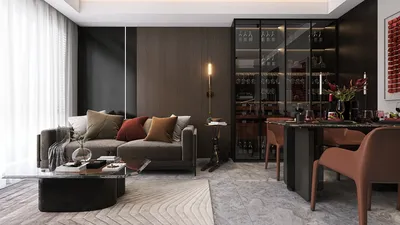


I have crafted numerous compact and creative corners in various living spaces—from studio apartments to micro-lofts. What I've learned is that the finest small-space craft areas strike an ideal balance between storage solutions, ergonomic design, and natural light. You don't necessarily need a dedicated room for crafting; rather, the focus should be on creating defined zones, utilizing breathable materials, and establishing a workflow that places tools within immediate reach while minimizing visual clutter. Enter Homestyler, an incredible tool that can assist in visualizing your space effectively.
Adequate lighting is essential and cannot be compromised. According to the Illuminating Engineering Society (IES), fine work should be performed in task lighting ranging from 500 to 1000 lux. Personally, I prefer achieving around 750 lux at the work surface while maintaining a color temperature between 3000 and 4000K to preserve color accuracy and avoid glare. Additionally, the WELL v2 standard emphasizes the importance of glare control and visual comfort, as both are key in reducing eye strain during lengthy crafting sessions. Incorporating these lighting standards into a compact craft station significantly enhances both precision and comfort.
Layout is equally as crucial as storage in crafting spaces. Research by Steelcase has consistently demonstrated that supportive environments boost productivity; although their findings are primarily geared toward offices, the conclusions are valid for crafting spaces as well. A streamlined workflow minimizes minor interruptions and cognitive friction. In limited areas, I typically opt for a triangular layout featuring the work surface, tools, and materials—ensuring no walking distance exceeds 3 to 4 feet. When redesigning your space, utilizing a room layout tool, such as Homestyler, can effectively simulate clearances and movement flow, eliminating guesswork.
Create Defined Zones for Your Craft House, Just Like a Mini Studio
Compact spaces thrive on well-defined micro-zones. I typically establish: (1) a main task surface set between 28 and 30 inches high for sitting, or 36 inches for standing; (2) a tool wall utilizing pegboards or rail systems; (3) a dedicated materials bay filled with labeled bins; and (4) an area for finishing or photography if you plan to sell or showcase your work online. Always keep pathways at least 24 inches unobstructed. A mobile cart can efficiently connect these zones, serving as a temporary staging area when your projects expand.
Storage That Disappears When You’re Finished
Prioritize vertical storage solutions. Install overhead shelves with a depth of 12-14 inches to fit bins securely without overhang. Use clear, stackable containers with front-facing labels to simplify the search process. For textiles and paper, flat files or drawers hidden beneath sofas help prevent curling and dust accumulation. Combining pegboards with magnetic strips is an excellent way to organize scissors, rotary cutters, and rulers, ensuring that sharp tools are placed at shoulder height to avoid accidental injuries. A fold-down wall desk utilizing concealed torsion hinges is my personal favorite as it keeps ongoing projects out of sight and maintains a serene living environment.
Lighting: A Combination of Ambient, Task, and Accent
Aim to blend an indirect ambient light source with adjustable task lamps. As mentioned, achieving approximately 750 lux for detailed tasks is crucial; ensure high color rendering (CRI 90+) to prevent color distortions in materials like paints, threads, or beads. Including a low-glare diffuser or matte shade helps in reducing hotspots on glossy paper. For those who document their creations with photography, it's recommended to add a neutral 4000K LED panel to create a softbox effect, combined with a blackout roller for windows to control external light.
The Psychology of Color for Enhanced Focus and Flow
Colors have the power to influence behavior. According to a summary by Verywell Mind on color psychology, shades of blue can enhance concentration, while greens evoke calmness. In small crafting corners, muted blue-greys on vertical surfaces help to minimize visual distractions, whereas a gentle green accent near the work area can alleviate stress during intricate tasks. It's wise to keep storage units within a cohesive palette to avoid visual chaos, reserving brighter hues for small accents that inspire without being overwhelming.
Ergonomic Considerations: For Your Hands, Eyes, and Back
Comfort is paramount for consistency in craftsmanship. Position frequently used tools within a reach of 16-20 inches while seated. Ensure the top of your work surface sits 2-3 inches below your elbows for optimal motor control. If you choose to stand, investing in an anti-fatigue mat is beneficial, and set task lights so their beams cross from the opposite side of your dominant hand to prevent shadow casting. A supportive chair that offers adjustable height and lumbar support is vital, alongside a simple footrest to alleviate pressure on the lower back during extended work periods.
Noise Control in Shared Living Spaces
Excessive noise can hinder concentration in compact homes. Utilizing soft materials—such as felt pinboards, area rugs, or fabric storage bins—can serve as sound absorbers. For machinery-heavy crafts like sewing, consider placing equipment on vibration-damping pads while steering clear of corners that amplify sound. Hanging simple fabric baffles over hard walls can enhance mid-frequency control, making phone-video tutorials more intelligible.
Choosing Materials with Sustainability in Mind
Opt for durable surfaces such as high-pressure laminate for cutting tasks, oiled birch or maple for light woodworking, and cork for pinning projects. Adopting low-VOC finishes and water-based adhesives contributes to better air quality. Upcycled furniture, like solid-core doors repurposed as tables, provides affordable, spacious work zones. Stick to a routine of ‘one bin in, one bin out’ to ensure your storage remains in check and in harmony with your available space.
Micro-Layouts Tailored for Various Crafts
Set machinery on a stable surface with the needle arm oriented perpendicular to the window for optimal lighting. Provide a fold-out cutting station at 36 inches to minimize back strain. Position thread racks at eye level and utilize bobbin cases with color-coded lids for quick identification.
Incorporate a tilting drafting board that adjusts from 0 to 30 degrees to alleviate wrist strain. Keep blades stored securely in a magnetic sheath, and ensure papers are flat in archival folders while dedicating a narrow shelf slot for common sizes.
Install focused task lamps featuring a 3-5 diopter magnifier. A shallow drawer organizer for findings, along with anti-static mats, can enhance organization. If involved in soldering or resin projects, a small fume extractor is a sensible addition.
Pairing a compact plotter or cutter with a sliding shelf is ideal for space management. Use adhesive raceways for cable management, and store sample books and vinyl rolls in vertical holders behind the chair to maintain critical desk space.
Techniques to Maintain Workflow and Momentum
Start by designating a ‘staging tray’ for today’s tasks and a ‘parking tray’ for work on hold. Photograph each step along with a simple checklist attached inside a cabinet door for reference. Utilizing colored tape to mark designated return spots for tools on pegboards is quicker than using labels during cleanup sessions. As projects expand, rolling a cart can create a temporary workspace, then easily tuck it under the desk when finished—allowing your living room to reclaim its original appearance.
Achieving Visual Balance and Harmony
In constricted areas, visual balance is just as significant as physical space. Position heavier items lower and lighter ones higher. Align shelf fronts uniformly and maintain consistent margins around wall elements to achieve a sense of order. A recurring pattern—like uniform spacing of hooks—reduces cognitive load, ultimately making the nook appear more expansive.
Kickstart Your Setup Over a Weekend with a Compact Plan
Day 1: Assess clearances, experiment with a triangle layout, and visualize with painter's tape. If you're uncertain about circulation and adjacencies, an interior layout planner like Homestyler can facilitate effective design. Day 2: Implement pegboard, install task lighting, set up the fold-down desk, label storage solutions, and adjust light temperature to suit your needs. Then start crafting—your new space will foster better habits.
Common Questions and Answers
Aim for approximately 750 lux at the task surface using 3000–4000K LED fixtures and a CRI of 90+. This aligns with IES recommendations for precise tasks, ensuring accurate color perception during work.
Minimize clutter by restricting categories to labeled bins, utilizing vertical pegboards, and maintaining a staging tray for ongoing items. Embrace a one-in-one-out rule for materials.
Both options are effective. For precision work, sitting at a surface that is 2-3 inches below your elbow is advisable. For standing activities like cutting or pressing, a height of 36 inches and an anti-fatigue mat help reduce strain.
Mitigate noise by placing vibration-damping pads beneath machines, avoiding corner placements, and integrating soft finishes such as rugs and felt boards to absorb sound transmission.
Studies indicate that soft blues enhance focus while muted greens foster calmness. For optimal results, maintain surrounding storage in a neutral palette while adding vivid accents for energy.
Definitely. Incorporate a small fume extractor and ensure your workspace is positioned near a window. Whenever possible, opt for low-VOC materials to uphold indoor air quality.
Keep essential tools reachable within 16–20 inches. Secure sharp instruments at shoulder height on pegboards, and arrange task lighting carefully to avoid casting shadows during use.
Consider installing a fold-down wall desk, utilizing stackable lidded bins stored in closets, and having a rolling cart that conveniently fits beneath your furniture. Concealed hinges and uniform containers help the space feel visually uncluttered.
Absolutely. Add a neutral 4000K LED panel along with a soft diffuser and consider a portable backdrop for photography. Ensure light stabilization by using window shades to mitigate variations in natural light.
Use painter’s tape to visualize placements and test a digital layout simulation tool to assess clearances and traffic patterns for efficiency in compact spaces, preventing costly design errors.


Looking to transform your space? Homestyler is your go-to online design platform! With its user-friendly design tool, stunning 3D renderings, inspiring design projects, and helpful DIY video tutorials, you'll effortlessly create your dream home. Start designing today and unleash your creativity!
Design Now for FREE
































