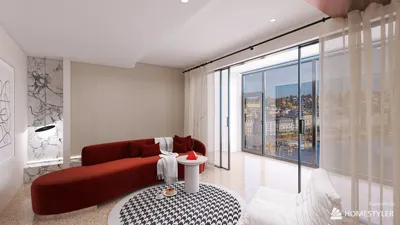


Through my experiences, I have discovered that the most enchanting birthday settings result from a few carefully selected elements rather than an overload of decorations. The aim is to create a unified ambiance through balanced lighting, color, and arrangement that invites guests to comfortably settle in and enjoy the celebration. A helpful framing tip is to establish a focal wall or vignette, like a cake station or a photo corner, then enhance the area with layered lighting, color accents, and varied textures to create a complete sensory experience. Utilizing tools such as Homestyler can help visualize the arrangement effectively.
Lighting plays a crucial role in setting the atmosphere. According to WELL v2 standards, ambient lighting should achieve 150–300 lux for general areas, while task-specific places—such as food preparation or cake cutting—generally require 300–500 lux. I prefer to maintain a warm color temperature (2700–3000K) to enhance skin tones and introduce a cooler accent (3500–4000K) for photographic purposes. The Illuminating Engineering Society emphasizes the importance of glare control, prompting me to diffuse string lights and strategically place accent lamps away from direct sightlines to minimize harsh lighting effects. For brighter instances, balancing contrast is essential for visual comfort.
Color serves as your emotional driver. Insights from Verywell Mind highlight that warm colors such as reds, corals, and peaches can ignite energy, while cooler shades like teal and mint can calm and create an illusion of more space. In smaller settings, I typically opt for light neutrals, complemented by 10–20% of saturated accents to prevent visual overload. A useful technique is to implement a triadic color scheme—like soft coral, turquoise, and lemon—applied sparingly across items such as balloons, napkins, and cake decorations to maintain a rhythmic yet non-disruptive aesthetic.
Establishing a Central Focus
Select a primary element, whether it be a cake display, gift area, or photo backdrop. Enhance its presence with draped fabrics, a simple archway, or an asymmetrical balloon garland that harmonizes with the ceiling height. Emphasize vertical elements—like two flanking floor lamps or tall branches—to create a defined frame. If rearranging furniture, utilizing a room layout tool like Homestyler can clarify flow, sightlines, and standing areas around the central point.
Lighting Layers That Enhance Everyone's Experience
I incorporate three lighting layers: ambient (string lights, lanterns), task (buffet lamps, under-shelf LEDs for the cake), and accent (focusing on a banner or textured wall). Dim to a soft glow around 200–300 lux during interactions, then elevate task lighting to 400–500 lux for moments like candle lighting or serving. Consistent color temperature across each layer is essential to avoid muddiness. For compact areas, bouncing light off light-colored walls is effective in minimizing shadowy corners.
Color Strategy: Minimal Input, Maximum Impact
Utilize a primary color palette and incorporate a standout accent. The main color scheme informs tableware and textiles, while the accent adds vibrancy to balloons, ribbons, and cake adornments. I often select matte finishes (like linen or kraft paper) for larger surfaces and reserve glossier elements (like foil balloons or lacquer trays) for subtle highlights; this material rhythm helps keep the eye engaged without chaos.
Creating Micro-Zones for Smooth Flow
Organize the space into three distinct micro-zones: greeting + gifts, food + drinks, and photos + cake. Each zone should feature a visual marker, like a runner rug for greetings, a cluster of trays for drinks, or a backdrop for photos. Ensure pathways of 900–1200 mm remain unobstructed, allowing guests to move freely without congestion. For testing layouts, an interior layout planner can simulate circulation and assist in evaluating traffic around a central table.
Textures, Materials, and Sustainable Choices
Achieve a balance between soft materials (like cotton throws and paper decorations) and crisp surfaces (like glass and metal) to create depth. I strive to avoid single-use plastics where possible, opting for recyclable paper fans, fabric banners, and actual glassware instead. A neutral tablecloth paired with a natural runner (such as jute or linen) grounds the overall presentation. Consider reusable LED candles and modular balloon clips, which can be neatly stored for future events.
Effortless Photo Opportunities
A simple backdrop—consisting of draped fabric, a pinned banner, and one side light along with a fill light—becomes the centerpiece for photo memories. Keep the area in front of the camera uncluttered. Use a focal length of 35–50 mm to avoid distortion, and position a soft lamp at a 45° angle to flatter skin tones. If the space is dimly lit, increase ambient lighting to around 300 lux and maintain a cooler accent to ensure crisp edges.
Five Steps to Beautiful Table Styling
1) Start with a runner or tray as an anchor. 2) Position the cake on an elevated stand. 3) Group three elements of varying heights (cake, floral arrangements, candles). 4) Use your accent color consistently in small touches—such as napkins, stirrers, or confetti. 5) Incorporate one tactile element (like a woven basket or ceramic bowl) to add warmth to the display.
Balloon Basics Without the Mess
Limit decorations to either one garland or one ceiling display, but not both. Opt for two different sizes to create visual rhythm (for example, 5" and 11"). Maintain a cohesive palette; matte balloons often appear more sophisticated than glossy ones. Prevent obstruction of ventilation or light sources, as glare on balloons can lead to eye strain. If using helium is a challenge, consider a wall frame or fishing line grid for a floating effect.
Sound Comfort for Small Gatherings
Hard surfaces can amplify sounds; I add rugs, curtains, and soft seating to mitigate echoes. Position speakers away from corners to limit bass buildup. Background music should be played at 55–65 dB for a conversational-friendly environment, allowing the birthday song to reach a peak momentarily before returning to a comfortable volume.
Quick Layout Suggestions
• For a studio apartment: push seating to the edges, center a coffee table for the cake, and hang a low banner over the table for added scale.
• In a dining room: set the cake station on the credenza with drinks on the opposite wall to disperse foot traffic; dim pendant lights while raising table lamps for warm contrasts.
• For a backyard-to-living area transition: place gifts near the entrance, snacks close to the kitchen pass, and photos by the brightest window; ensure pathways remain clear to prevent cross-traffic during cake serving.
Real-World Checks
Perform a quick 10-minute pre-party assessment: check lux levels (are they too bright or too dim?), identify glare hotspots, assess trip hazards, and evaluate table spacing. Conduct a color test by grouping three decor items together—if one stands out too much, swap it out for a softer hue. For aroma, keep scents light and not overpowering to maintain harmony with food. The best spaces convey intentionality while also feeling relaxed.
References
For best practices regarding light comfort and health parameters, the WELL v2 performance metrics and Illuminating Engineering Society standards are reliable references. To refresh understanding about the psychological effects of color, I frequently consult the color psychology overview provided by Verywell Mind: Verywell Mind.
FAQ
Maintain ambient lighting around 200–300 lux for socializing and increase task areas (such as cake and buffet) to 300–500 lux. Utilize a warm range of 2700–3000K for face lighting and one cooler accent for photos.
Choose a neutral foundational shade complemented by 10–20% saturated accents. A triadic mini scheme (coral, turquoise, lemon) sprinkled throughout small items can enhance the atmosphere without overcrowding.
Diffuse bulbs using paper lanterns, position lights away from direct sightlines, and avoid glossy balloons near strong lamps to minimize reflections.
A well-placed fabric drop, a banner, and a side lamp positioned at a 45° angle will result in clean portraits. Leave at least 1–1.5 m of free space for small gatherings.
Establish three transformative micro-zones (greeting, food, photos) while ensuring clearing paths of 900–1200 mm. Experiment with layouts using a simulation tool to avoid traffic bottlenecks.
Incorporate fabric banners, recyclable paper fans, real glassware, reusable LED candles, and modular balloon clips to enhance the theme. Opt for matte finishes for an elegant touch.
Start with a runner, add a cake stand, cluster items in varying heights, incorporate consistent accent colors, and finish with one tactile piece. Favor mostly matte surfaces, with small glossy highlights for contrast.
Aim for a decibel level of 55–65 for conversational ambiance. Place speakers strategically away from corners to minimize booming echoes.
Utilize warm ambient lighting (2700–3000K) and a slightly cooler accent (3500–4000K) to keep edges defined without washing out skin tones.
Choose only one decorative element—either a garland or a ceiling cloud—and mix two sizes for rhythm. Keep palettes consistent to avoid overwhelming visual stimuli.

Modern Minimalist Fabric U Shaped Sectional Sofa 3D Model

Bohemian Rattan Round Coffee Table 3D Model

Minimalist Boucle Fabric Tufted Sofa 3D Model
Homestyler is your go-to online platform for home design! With its easy-to-use design tool, stunning 3D renderings, and a wealth of DIY video tutorials, you can create and visualize your dream space effortlessly. Unleash your creativity and get started today!
Design Now for FREE
































