

Creating a cozy balcony environment can be achieved without compromising your limited square footage. A compact fire pit table strikes the perfect balance, offering ambient warmth, gentle lighting, and a communal gathering point for your outdoor space. When selecting these pieces, I consider them with the same importance as all other furniture items: appropriate dimensions, sufficient clearances, and durable materials suited for outdoor use and weather conditions. Leveraging the Homestyler tool helps visualize and plan effectively.
Comfort is key, especially in urban settings. Ideally, your fire pit table should have a footprint of 20–28 inches square (or a round diameter of 24–30 inches) to ensure smooth movement on typical city balconies. For both safety and accessibility, I advocate for a minimum of 30 inches of free space around the table. Ambient warmth and lighting are not solely about creating a pleasant atmosphere; according to WELL v2 Thermal Comfort guidelines, it’s important to maintain thermal conditions that align with user comfort expectations; the warmth from your balcony fire should complement rather than overwhelm. Research by Steelcase indicates that environments where individuals can control comfort elements lead to enhanced satisfaction and productivity; thus, utilizing portable, adjustable heating options follows this principle of choice and comfort. Additionally, I adhere to IES lighting recommendations to avoid glare and ensure even illumination during evening gatherings.
Since balconies can vary significantly in layout, I often create quick digital models using tools like Homestyler to check clearances and seating arrangements effectively. This helps me plan traffic flow and ensure a safe distance around the fire pit table.
Choosing the Right Size and Form
On smaller balconies, the scale of furniture is vital. I prefer low tables that stand between 16–18 inches high; this coffee-table height encourages casual lounging while ensuring stability for the flame. Round tables are more accommodating in tight corners, while small square tables can fit neatly against railing edges. A 24-inch round table is generally adequate for two people, whereas a larger 28–30 inch table can accommodate four guests comfortably, particularly with armless chairs to optimize space.
Fuel Type: Gas, Bioethanol, or Electric
The decision on fuel source revolves around the specific ventilation requirements and the policies of your building. Propane units with CSA or CE certifications provide customizable flames with consistent heat output, but you should ensure that your storage methods adhere to local regulations and HOA standards. Bioethanol is a clean-burning option that emits minimal particulates, making it suitable for buildings without gas; however, it may have a faint odor and a higher cost of use. Electric "faux flame" heaters provide visual warmth without actual combustion and are often compliant with HOA regulations, making them ideal for high-rise balconies that experience windy conditions.
Safety Clearances and Code Awareness
Fire regulations for balconies can vary by location, and building policies differ as well. A general guideline I follow is to maintain a minimum distance of 36 inches from the edge of the flame to any flammable surfaces, including privacy screens and planters. Overhead clearance is essential too—avoid positioning your table under fabric awnings or low ceilings. Ensure a stable, level surface for your fire pit and utilize flame screens or tempered glass guards when possible. Always check device certifications and adhere to manufacturer BTU ratings, as smaller tables typically provide between 10,000–25,000 BTUs—plenty for those cooler evenings without excessive heat output.
Material Choices for Urban Weather
Choosing materials that can withstand UV exposure, moisture, and temperature variations is crucial. I recommend powder-coated aluminum for the base, as it is lightweight, resistant to corrosion, and easy to maneuver. For the surface, porcelain or sintered stone is ideal for handling heat and daily wear. If you're aiming for a rustic aesthetic, consider using fiber-reinforced concrete treated with a sealant to prevent cracking. For any cushions or nearby soft furnishings, solution-dyed acrylic fabrics are excellent for resisting fading as well as dealing with the occasional spark. Opt for matte or low-sheen surfaces to reduce glare from the flame light at nighttime.
Balcony Layout and Circulation
The fire pit table can serve as the central feature in a compact conversation area. I prefer spacing seating 24–30 inches away from the center of the flame to ensure everyone enjoys comfortable warmth. Chairs with open arms facilitate smoother movement, while stools and nesting side tables can provide added flexibility. On narrower balconies, positioning the table slightly off-center towards the railing can create a free pathway along the façade. Using an interior layout planner like Homestyler can help trial various chair arrangements and clearances before making a purchase.
Lighting, Glare, and Evening Comfort
The warmth of firelight can be uneven, so I layer ambient lighting, such as outdoor sconces or string lights, in the 2200–2700K range to mitigate harsh contrasts and maintain comfort when illuminated. Following IES guidelines, achieving uniformity in lighting can help prevent visual strain. It’s best to position strong light sources away from the direct line of sight behind the flames, thereby reducing flicker adaptation issues. Shielding neighboring windows can also minimize internal reflections once dusk falls.
Acoustics and Neighborly Etiquette
Balconies can amplify sounds due to their hard surfaces. To reduce noise from clinking glasses and chatter, I incorporate a small outdoor rug along with softer seating options. Keeping music volumes at a respectful level and steering clear of noisy burning fuels, like wood, helps maintain harmony with neighbors in multifamily settings.
Color Psychology and Atmosphere
Incorporating warm colors near the fire (like terracotta and amber) creates a welcoming atmosphere and the illusion of heat. Meanwhile, cooler neutrals for railings and walls help achieve visual balance. Research in color psychology suggests that warm palettes can foster social interaction and relaxation, a concept I embrace with cushions and throws that echo the flame’s warm hues.
Ergonomics and Human Factors
It’s essential that armchair heights allow for a comfortable elbow position around 26–28 inches in relation to the seat height when reaching for the table. Keeping the table edge at least 4 inches from knee clearance prevents accidental bumps. If the unit features a control knob, it's beneficial to align it in a direction where it is easily accessible away from the usual service path.
Wind Management and Performance
Balconies on higher floors tend to experience wind gusts and thermal drafts. I suggest utilizing tempered glass wind barriers and orienting the table so that it faces away from the prevailing wind, which usually comes from the building's corner. Wind can destabilize flames, so opting for burners designed for outdoor use with a baffle design is advantageous. In particularly exposed areas, electrical radiant panels may perform better than open flames.
Sustainability Considerations
I prioritize durable and easily repairable materials while also favoring low-VOC finishes. Bioethanol sourced sustainably produces less soot, and opting for electric solutions linked to renewable energy can further diminish environmental impact. Selecting long-lasting materials aids in reducing replacement cycles—sintered stone, aluminum, and stainless steel components are my preferred choices.
Styling the Scene
I believe in keeping the tabletop minimally cluttered, ideally featuring only low, heat-resistant coasters. To add a sense of warmth without overcrowding, I recommend layering one textile (like an outdoor rug) alongside two different plant types (one upright, one cascading). A lidded storage cube serves a dual purpose, functioning as a side table while providing storage for blankets during cooler months.
Installation and Maintenance
When assembling, ensure you start on a level surface and double-check hose connections (for gas units) while conducting a soap-water leak test. Regularly clean burner ports and protect the unit with a fitted cover when idle. Replace fuel canisters according to the manufacturer's recommendations and inspect fasteners yearly for any corrosion.
Data-Backed Notes
"Comfort extends beyond mere temperature control; WELL v2 emphasizes the importance of acoustic and visual settings working in harmony. By coordinating flame intensity, incorporating warm-lighting solutions, and ensuring soft surfaces, I maintain a welcoming balcony ambience. I also rely on IES principles regarding glare management and luminance uniformity when arranging lights around the flame to promote visual comfort. Steelcase's research into user-directed environments also supports the adaptability inherent in compact balcony fire tables, which I aim to enhance through strategic design choices using tools like Homestyler.
FAQ
Q1: What size fire pit table is suitable for a small balcony?
A1: Aim for a table with dimensions of 20–28 inches square or 24–30 inches round, ensuring at least 30 inches of clearance around it. Low profile options (16–18 inches high) align well with the ergonomics and sightlines.
Q2: Is it permissible to have an open flame on apartment balconies?
A2: Regulations differ by city and building. Many HOAs disallow wood-burning units but permit certified propane, bioethanol, or electric heaters. Always verify your lease and local fire codes.
Q3: How much distance should be maintained between fire and walls or railings?
A3: Always keep at least 36 inches away from combustible materials and ensure no overhead fabrics or low ceilings obstruct the space. Wind shields are advisable for exposed balconies.
Q4: Which fuel type produces the least odor?
A4: Electric devices emit no combustion odor. Bioethanol is clean-burning with a faint scent, while propane fuel offers adjustment and consistency but requires careful handling.
Q5: How can I illuminate the space without creating glare?
A5: Incorporate 2200–2700K ambient lights while avoiding direct eye contact with high-intensity sources. Following IES standards for uniformity helps minimize harsh lighting contrasts around the fire.
Q6: Will a small fire pit table provide warmth outdoors?
A6: Absolutely; gas units provide localized warmth with 10,000–25,000 BTUs, especially noticeable within 24–30 inches of the flame center. However, wind exposure may lessen effectiveness, so shielding is recommended.
Q7: What materials withstand heat and outdoor conditions best?
A7: My recommendations include powder-coated aluminum, stainless steel, porcelain or sintered stone surfaces, and fiber-reinforced concrete treated for weather resistance. These materials resist corrosion, heat, and UV damage.
Q8: How do I arrange seating around the fire pit table?
A8: Keep chair fronts ideally 24–30 inches from the flame, look into armless styles to maximize width, and ensure a clear path of at least 30 inches. A layout simulation tool can assist in visualizing prior to finalizing purchases.
Q9: Is bioethanol a safer option than propane for balcony usage?
A9: Both can be used safely when certified and operated according to instructions. Bioethanol doesn't require pressurized storage but involves open liquid fuel, while propane provides reliable heat but must be handled cautiously.
Q10: What steps can I take to reduce disturbances to neighbors?
A10: Opt for gas or electric solutions for quieter operation, add soft surfaces to dampen noise, and ensure your conversations and music are kept at considerate volumes.
Q11: Is year-round use feasible?
A11: Yes, particularly in milder climates. In winter, however, harsh winds and frigid temperatures may limit effectiveness; consider electric radiant panels as alternative heating options.
Q12: What maintenance should be expected?
A12: Regularly clean burner ports, check all connections, cover the unit when not in use, and conduct annual hardware inspections. Fuel replacements should follow the manufacturer's guidelines.

WELLAND Natural Cedar Stump Stool, 14" End Table
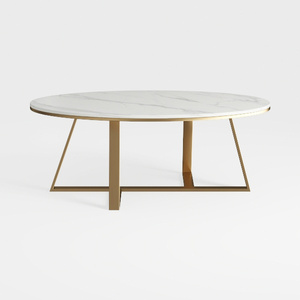
Henn&Hart Coffee Table, 1, Gold
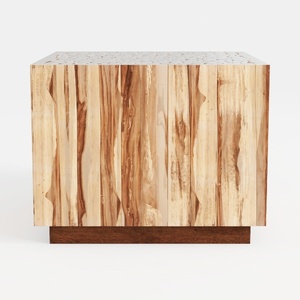

Minimalist Solid Wood Accent Cabinet with Textured Top 3D Model
Homestyler is your go-to online home design platform! With its user-friendly design tool, stunning 3D renderings, and a wealth of inspiring design projects and video tutorials, transforming your space has never been easier or more enjoyable. Unleash your creativity today!
Progetta ora GRATIS
































