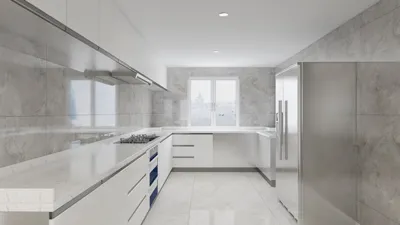


The modern lifestyle is integrating shorter commutes, climate adaptability, and affordability into a cohesive system, while current renters face challenges like privacy issues, noise disturbances, and inadequate storage solutions. AIA residential data indicates that there is a growing trend toward smaller living spaces with multifunctional areas, a sentiment expressed by my clients. In this context, employing a spatial reasoning toolkit is crucial as I design a four-studio apartment layout—four compact systems built on a shared structure, optimized for the coming decade using tools like Homestyler.
Studio Type A: Front-Band Efficiency
Design Concept: A compact unit facing the corridor, designed for effective entry circulation and soundproofing—future tenants desire efficient routines combined with lasting functionality.
Flow: Entrance → Micro-hall → Kitchenette → Living-sleep area → Window bench; a straightforward sequence of instructions with minimal delays.
Sightlines: Upon entry, a staggered exposure: a low kitchen, a tucked bed, and a window that enhances the spatial depth akin to a user interface header.
Storage: Vertical pantry combined with bed base drawers and an over-door shelf—organized according to frequency of use and ease of access.
Furniture Allocation: A full-size 60” sofa, 48” bed, drop-leaf table—design elements adapted to performance without any lag.
Conclusion: For newcomers, this space serves as a peaceful retreat; even five years later, it remains clear and resilient.
save pin
Studio Type B: Courtyard-Facing Calm
Design Concept: A layout that embraces light and nature, reducing mental strain; future well-being will rely on an environmentally friendly user experience.
Flow: Entrance → Wardrobe wall → Flexible lounge → Sleeping nook → Balcony; a continuous loop that encourages daily rejuvenation.
Sightlines: A primary view directed towards foliage; a secondary focus on functional surfaces—hierarchical like a control panel with prioritized outputs.
Storage: A wall-length rail and spacious closets for cold storage, combined with open shelves for quick access—ensuring predictable retrieval.
Furniture Allocation: A modular 72” sofa with an ottoman, a queen-sized Murphy bed—size adjusts while adhering to design standards.
Conclusion: This unit captures focus over time; tenants begin to perceive it as a wellness space rather than just a room.
save pin
Studio Type C: Corner Flex for Creators
Design Concept: A corner unit with two windows allows for cross-ventilation and flexible zones; future creative pursuits require adaptable spaces.
Flow: Entrance → Pocket office → Kitchen core → Studio stage → Sleeping loft; a parallel workflow enabling smooth transitions.
Sightlines: Diagonally to the desk, extending to the living area; background surfaces kept minimal to minimize distractions like a streamlined UI design.
Storage: Lofted under-storage combined with maker's cabinets—storage layers designed for project cycles and quick clearing as needed.
Furniture Allocation: An adjustable desk, a compact sectional, and a 54” bed under the loft—design precision minimizes delays.
Conclusion: Creatives will find it accommodating for years; after five years, the space adapts without causing overcrowding.
save pin
Studio Type D: Backline Quiet + Accessible
Design Concept: A rear-focused plan emphasizes sound isolation and ADA-compliant paths—the future necessitates inclusive living spaces.
Flow: Wider entry → Open galley → Pivoting bathroom → Sleeping alcove → Patio; an optimized path for ease and dignity.
Sightlines: Low contrast, elongated calm lines; navigation is intuitive, akin to a well-structured menu.
Storage: Shallow, frequently accessed wall systems; substantial storage hidden in under-counter units to minimize unnecessary movement.
Furniture Allocation: Armless chairs, a 30x60 table, and a full bed with 36” clearances—design respects human dimensions.
Conclusion: This unit possesses a timeless essence; it will remain relevant over the next five years as a suitable option for mobility-conscious residents.
save pin
Final Insight
Creating a four-studio apartment layout is more about orchestration than merely increasing density, with each unit functioning like a microservice within a unified ecosystem. The variations in light, flow, and storage across these four compact units craft a robust setting for future tenants, remote workers, and urban dwellers focused on wellness. From my perspective, the most effective studios aren’t necessarily larger; instead, they are purposefully designed, and thoughtful decisions quietly reshape everyday living, a concept easily visualized with tools like Homestyler.

Modern Minimalist Oak Top Black Metal X Base Dining Table 3D Model
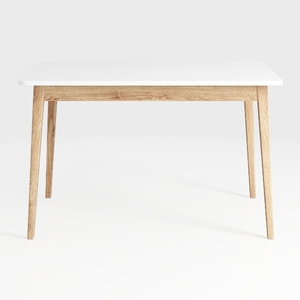
Minimalist Oak White Top Dining Table 3D Model
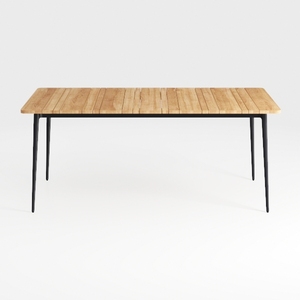
Branch Daily Desk - Functional at Home Office Desk
Looking to transform your space? Homestyler is your go-to online home design platform! With an easy-to-use design tool, stunning 3D renderings, and a wealth of video tutorials, you can unleash your creativity and make your dream home a reality—effortlessly!
立即免费设计
































