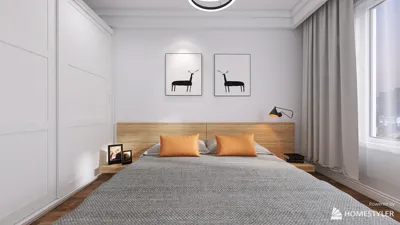


In the realm of game development and interior design, particularly within Unity 3D, the creation of authentic and visually striking floor textures is crucial. Whether your project involves crafting a warm living room, a sleek office, or an engaging gaming atmosphere, textures are essential in actualizing your creative vision. In this article, we will delve into the process of designing and implementing floor textures in Unity 3D, allowing you to elevate your projects with a realistic and imaginative flair.
1. Comprehending Textures and Materials
Before we get technical, it's essential to distinguish between textures and materials. Textures are 2D visuals utilized on 3D models to enhance detail and realism, while materials dictate how these textures interact with light. In Unity 3D, a combination of both is typically employed to craft stunning floor designs.
2. Acquiring High-Quality Textures
To achieve an eye-catching floor design, sourcing high-quality textures is imperative. Numerous online resources offer both free and premium textures. Platforms like Texture Haven, Poliigon, and Unity's Asset Store provide an extensive array of textures, including wood, tile, carpet, and stone. Be sure to select textures that align with the overall aesthetic of your project.
3. Importing Textures into Unity
Once you have collected your textures, the subsequent step is to import them into your Unity project. You can easily accomplish this by dragging and dropping your texture files into the Assets folder. This action makes your textures readily available for material application.
4. Crafting Materials
With your textures successfully imported, it's time to create materials. Select the desired texture in the Assets folder, right-click, and choose Create > Material. This action generates a new material to which you can apply your texture. In the Inspector panel, make sure to assign your texture to the Albedo property—this is where the transformation occurs!
5. Applying Materials to Floors
Now that your material is prepared, apply it to your floor objects. Simply drag the material onto the floor mesh in the Scene view, and watch as your texture is seamlessly applied, enhancing realism. Adjust the tiling and scaling properties of the texture within the material settings to achieve your preferred appearance.
6. Amplifying with Lighting and Effects
To further augment the authenticity of your floor textures, it's essential to focus on your lighting configuration. Unity's lighting capabilities enable you to create shadows and highlights, providing depth to your textures. Utilizing spotlights or directional lights can introduce dynamic lighting effects that enrich your floor design.
7. Testing and Refining
After applying your floor textures and adjusting the lighting settings, it’s time to test out your scene. Experiment with various angles and distances to observe how your textures respond under different lighting conditions. Don’t shy away from iterating and fine-tuning to reach optimal results.
In conclusion, the journey of crafting beautiful floor textures in Unity 3D is an enriching experience that can significantly elevate your design endeavors. By grasping the fundamentals of textures and materials, sourcing high-quality images, and experimenting with lighting, you can create immersive environments that captivate any audience. Why not take the plunge into your next Unity project with tools like Homestyler and let your creativity flourish?
Tips 1:
Try diverse types of textures to discover what resonates best with your design aesthetic.
FAQ
Q: Is it possible to create my own textures for Unity? A: Absolutely! Custom textures can be crafted using image editing software such as Photoshop or GIMP.
Q: How can I enhance the realism of my textures? A: Incorporating normal maps and specular maps alongside your base textures can significantly boost detail and depth.
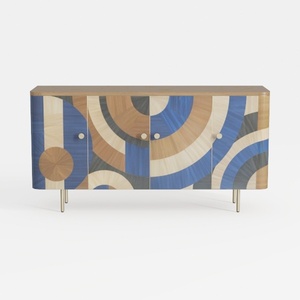
Art Deco Geometric Pattern Solid Wood Sideboard with Metal Legs 3D Model

Modern Minimalist Fabric U Shaped Sectional Sofa 3D Model

Minimalist Fluted Solid Wood 6 Drawer Dresser 3D Model
If you're looking to transform your living space, look no further than Homestyler! This innovative online design platform offers an easy-to-use design tool, stunning 3D renderings, a plethora of design projects, and helpful DIY video tutorials. Start your home design journey today with Homestyler!
Design Now for FREE
































