

Designing a 3D representation of a monster is an exhilarating endeavor for artists, game developers, and designers. This journey generally encompasses multiple phases: initial concept art, primary modeling, sculptural details, texturing, rigging, and ultimately rendering. Begin by illustrating your monster, either on paper or using digital tools, to outline its features, anatomy, and character. After that, select a robust 3D modeling program, such as Blender, ZBrush, or Maya. You should start with a fundamental mesh, outlining the core forms before delving into in-depth sculpting—pay particular attention to intimidating attributes like claws, fangs, and distinctive skin surfaces. Next, add suitable materials and textures, employing UV mapping techniques to bring your monster to life with vibrancy and realism. The rigging process incorporates bones and controls for animation, and rendering culminates the process, enabling your creature to inhabit fully realized environments. Throughout these stages, maintain a clear vision of your ultimate goal, whether your creation is intended for a video game, a cinematic experience, or a still-frame visual.
Suggestions for Improvement:
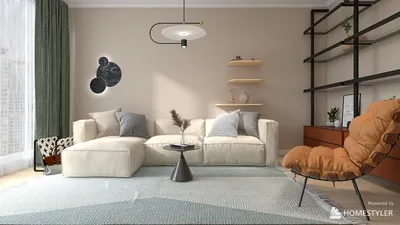
As an interior designer, I constantly evaluate how visual components and textures interrelate in a given space. When generating a 3D model, it’s crucial to think about how lighting and spatial arrangements amplify your monster’s impact. Just like we utilize 3D visualization tools in interior design to analyze the interplay of furniture, colors, and decor, you can also leverage professional solutions such as Homestyler to simulate a 3D rendered environment, positioning your monster in a lifelike setting. This approach enhances your final output, ensuring that every element aligns with the narrative aspect of your design.
Frequently Asked Questions
Q: Which software is ideal for creating 3D monsters?
A: Popular choices include Blender, ZBrush, and Maya, which offer extensive tools for monster creation and detailing.
Q: Is drawing a prerequisite for creating a 3D monster?
A: Although drawing skills can be beneficial for initial concepts, many software solutions permit direct 3D sculpting using creativity or reference images.
Q: What is the process for texturing my 3D monster?
A: Utilize UV mapping and texture painting within your selected modeling software to create realistic effects for skin, scales, or fur.
Q: After modeling, can I animate my 3D monster?
A: Certainly. Rigging introduces skeletal structures, and you can animate using the built-in tools in your software or export your model to game engines.
Q: Which file formats are suitable for exporting monster models?
A: Standard formats include .OBJ, .FBX, and .STL, which are compatible with games, animations, or even 3D printing.
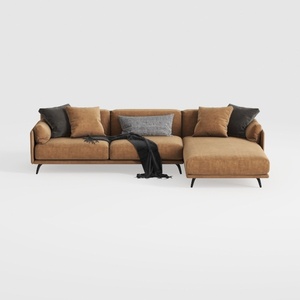

Coaster Home Furnishings - Camacho - Upholstered C

Meridian Furniture 77054Natural Everson Collection
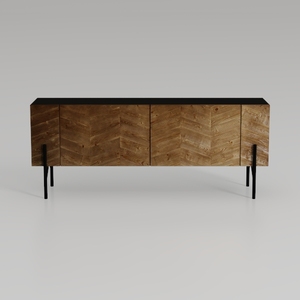
Modern Chevron Solid Wood Metal Sideboard 3D Model
Discover your dream home with Homestyler! This user-friendly online design platform offers powerful 3D rendering, a wealth of design projects, and informative DIY video tutorials. Whether you’re a beginner or an expert, Homestyler makes it easy to transform your ideas into reality!
立即免费设计
































