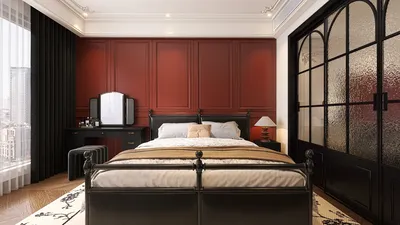


With over a decade of experience in reimagining banquet halls across various venues such as hotels, clubs, and civic spaces, I've found that the color emerald is among the most adaptable options available. This hue invokes a sense of depth and tranquility, especially when harmonized with optimal lighting, acoustics, and flow. The objective is to create an environment that feels festive yet not overwhelming, visually appealing while ensuring comfort during extended events, and versatile enough to transition seamlessly from galas to conferences and weddings within a week. Incorporating tools like Homestyler can greatly aid in visualizing these transformations.
Choosing the right color is just part of the journey; how the room performs in real-life situations is equally crucial. WELL v2 addresses the effects of light on visual comfort and circadian support, emphasizing suitable illumination and glare control for event spaces. Research from Gensler consistently shows a correlation between environmental quality and guest satisfaction, indicating that well-adjusted lighting and acoustics promote positive interactions in shared spaces. To avoid common issues such as glare and inconsistent sound, I calibrate emerald palettes based on these standards, making the most out of tools like Homestyler to simulate different lighting scenarios.
Emerald is also enhanced by color psychology insights. According to Verywell Mind, shades of green are synonymous with balance and rejuvenation, particularly when complemented with natural materials. In banquet environments, this translates into improved seating duration and smoother traffic patterns. For lighting objectives, I follow IES guidelines for assembly areas, aiming for ambient lighting around 200–300 lux, focusing 500–750 lux on dining tables, and using dimmable features for accent lighting to create sculpted focal points without harsh contrasts.
Creating the Emerald Palette
A layered approach enriches the emerald palette rather than relying on a single tone. I implement a structure where deep emerald serves as a backdrop for focal walls and drapery, mid-tone greens are used for furniture, and lighter shades like sage or olive are applied for wayfinding and table accents. Metallic elements such as aged brass and satin bronze inject warmth without veering into excessive glamour. The use of wood, like walnut and smoked oak, anchors the palette, while neutral colors like white balance the overall reflectance—ideal for photography and live-streaming settings.
Lighting: Managing Lux Levels, Color Temperature, and Glare
Lighting can either enhance or overpower the emerald theme. I design intricate lighting systems that include ambient cove lighting (2700–3000K for evenings, 3000–3500K during the day), concentrated downlights on pathways and tables to minimize glare, and narrow spotlighting for florals and staged backgrounds. Following IES recommendations, I target approximately 200–300 lux for ambient light and around 500–750 lux for tasks at dining tables, ensuring a Color Rendering Index (CRI) of 90 or above to preserve the vibrancy of emerald without altering its true appearance. Dimmer controls along with preset scenes facilitate smooth transitions from reception to dinner to dancing.
Enhancing Spatial Flow and Seating Arrangements
A room heavy with emerald might feel congested if circulation isn't properly accounted for. I ensure clear main aisles of 1500–1800 mm and secondary paths of 900–1200 mm for both staff and guests, using lighter green runners or brass accents to navigate movement. Round tables encourage socializing at weddings, while banquet or cabaret settings cater to galas and award ceremonies. When swiftly reconfiguring layouts, I leverage a room layout tool like Homestyler to test sightlines, service routes, and dance floor proximity before making final decisions on rentals and floral arrangements.
Stagecraft and Focus Points
A stage adorned with deep emerald velvet framed by matte black accents conveys a ceremonial feel while avoiding excessive glare. I favor layered backdrops including textured wall panels, greenery, or perforated screens featuring integrated LEDs. The key lies in controlling contrasts—the stage brightness should be approximately 1.5 to 2 times greater than the audience area for optimal visibility, without overpowering brightness that can wash out faces. Providing lateral access for presenters and AV teams while ensuring cable management is concealed preserves the room's sleek aesthetic.
Acoustic Considerations for Clear Conversations
Emerald-hued fabrics contribute positively to acoustics. Upholstered seating, heavy drapes, and acoustic wall panels in tonal greens help minimize reverberation, enhancing speech clarity during speeches and presentations. I aim for an RT60 time of around 0.7–1.0 seconds for banquet settings—sufficiently compact for clarity but lively enough for a vibrant atmosphere. Layering rugs under dance floors or opting for modular acoustic tiles allows for flexible acoustic adjustments based on the nature of the event.
Selecting Sustainable Materials
Emerald doesn't have to mean a compromise on materials. I recommend low-VOC paints, FSC-certified wood, and durable textiles featuring recycled content. Matte and eggshell finishes minimize reflections, while performance-grade velvets with stain-resistant properties are robust against frequent banquet use. For metallic accents, brushed or patina finishes work best to prevent fingerprints and visual clutter.
Designing Bar, Buffet, and Service Areas
Service areas should act like emerald punctuation marks instead of visual chaos. I design bars wrapped in ribbed oak stained in deep green, topped with honed stone and integrated LED toe-kicks for gentle navigation cues. Buffets benefit from a mix of contrasting greens and warm metallics that showcase food naturally under 3000K lighting; I maintain slightly higher working light levels at 500 lux for staff safety and improving plate presentations.
Navigating Wayfinding and Branding
Discreet signage plays a critical role. Satin brass frames filled with emerald enamel can communicate event branding seamlessly without clashing with the decor. For wedding events, incorporating green leather embossed monograms on menu covers and escort cards ties the color scheme together. Directional signage should be positioned at 1400–1600 mm for easy visibility while also including tactile elements for accessibility.
Furniture Choices and Ergonomics
Comfort is key for prolonging guest engagement. Chairs should have seat heights ranging from 450 to 480 mm, with supportive backs to reduce fatigue during lengthy programs. I combine upholstered captain’s chairs at head tables with lighter stackable options elsewhere. Keeping tabletops at 740 to 760 mm supports ergonomic reach, while rounded or eased edge profiles lessen wrist stress. In emerald-themed setups, it is wise to select textiles with subtle patterns to maintain their appearance over time.
Photography and Media Readiness
Emerald can be quite photogenic if contrast is managed appropriately. I avoid high-gloss finishes that create glare and opt for mid-toned backgrounds for accurate skin tone representation. Providing dedicated 15A electrical outlets for photographers, ensuring flat lighting at 3000K near photo booths, and creating neutral areas for portraits where emerald complements secondary colors are all crucial elements.
Flexible Layouts for Quick Transformations
The most efficient banquet halls are capable of rapid reconfigurations. Mobile stages, modular dance floors, and removable partitions allow staff to shift from a luncheon setup to a grand evening gala in less than two hours. I meticulously plan storage spots for centerpieces, linen carts, and AV equipment, and I utilize an interior layout planner like Homestyler to validate staffing routes and seating counts prior to execution.
Styling with Emerald Accents
Florals in shades of white, blush, and deep berry infuse freshness into the emerald palette. Incorporating smoked glass candles, napkins with delicate green borders, and understated gilding on stationery can enhance elegance. For modern styles, combining emerald with charcoal and brushed steel works well, while romantic settings can benefit from ivory and antique brass tones.
Maintenance and Operational Best Practices
Although green palettes disguise wear better than lighter themes, they still require maintenance. I recommend easy-to-clean wall coverings in high-traffic areas, scuff-resistant baseboards, and removable chair covers. Utilizing scene-based lighting presets streamlines turnovers and minimizes operator oversight, and clearly labeled AV patch points keep events running seamlessly.
To ground design decisions: The WELL v2 framework’s Light concept informs standards for brightness and glare management in comfortable event contexts; Gensler’s studies link environmental quality with overall satisfaction and effectiveness; insights from Verywell Mind support the mood-enhancing effects of green; and IES guidelines assist in achieving effective ambient and task lighting for assembly areas. By embedding these references early on, the emerald palette not only looks good but performs beautifully too, assisting designers with tools like Homestyler to visualize results.
FAQ
For evening events, utilizing 2700–3000K lighting creates a warm and inviting atmosphere. Daytime engagements benefit from 3000–3500K for clarity that does not overshadow the green hues. Maintain a CRI of 90 or above to ensure color authenticity.
Optimize levels of 500–750 lux on tables for food presentation and reading materials. Ambient lighting around 200–300 lux creates balanced contrast while reducing glare.
Using deep tones across every surface may create a compact feeling. Achieve balance with lighter greens, warm metallics, and sufficient ambient illumination. Restrict the use of emerald to focal walls, drapery, and upholstery rather than saturating every surface.
Aim for an RT60 of around 0.7–1.0 seconds by employing upholstered seating, drapes, and acoustic panels strategically. Position speakers thoughtfully to bypass any harsh parallel surfaces, promoting distributed sound absorption from the ceiling.
Weddings typically favor round tables to enhance social interaction and provide sightlines to the couple. For galas and award evenings, banquet or cabaret arrangements are ideal for guest orientation towards the stage and efficiency in service.
Materials may include smoked oak, walnut, brushed brass, honed stone, and matte performance velvets. Avoid glossy finishes to reduce glare and visual fatigue.
Utilize modular stages, demountable partitions, mobile bars, and standardized table dimensions. Pre-program lighting scenes and employ labeled carts for efficient changeovers.
Ensure main aisles are 1500–1800 mm wide and secondary paths remain at 900–1200 mm. These dimensions enhance both service efficiency and guest comfort in banquet settings.
Absolutely. Streamline the palette to emerald, charcoal, and brushed steel while integrating clean-lined furnishings and restrained accent lighting for enhanced clarity.
Incorporate subtle signage to harmonize with the decor, such as satin brass frames filled with emerald enamel, embossed green leather for menu covers, and delicate monograms on stationery for cohesive branding without overwhelming the setting.

Modern Minimalist Dark Green Velvet Solid Wood Sofa 3D Model


Modern Dark Green Fabric Loveseat Sofa With Throw Pillows 3D Model
Homestyler is your go-to online home design platform! With its user-friendly design tool, impressive 3D renderings, and a wealth of interior design projects and DIY video tutorials, you can effortlessly create your dream space and unleash your creativity without any prior experience!
立即免费设计
































