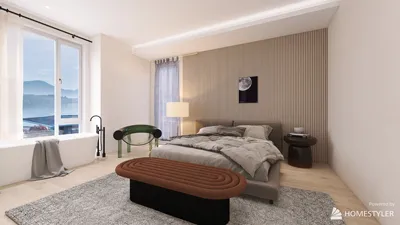


An almond tub introduces a cozy and understated elegance to any bathroom, creating a tone that effectively connects classic with modern aesthetics. When designing with almond as a softly toned neutral, I enjoy complementing it with various textures that highlight its creamy essence without overshadowing it. In my residential projects, I’ve observed that this color scheme fosters a tranquil bathing atmosphere, particularly when enhanced with properly balanced lighting and ergonomic fixtures that cater to daily routines, allowing for a seamless integration with tools like Homestyler for enhanced visualization.
Thoughtfully made design decisions are essential. The WELL v2 standard prioritizes glare reduction and adequate illumination to ensure visual comfort, which is vital for the reflective areas surrounding a tub. Research conducted by Steelcase has consistently linked a comfortable environment to well-being; in bathroom settings, this means providing sufficient task lighting around the tub edge and creating a soothing ambient light for relaxation. I typically target approximately 20–50 footcandles of ambient brightness and prefer a warmer color temperature ranging from 2700 to 3000K to complement almond finishes and facilitate effortless evening unwinding. For more insights into lighting best practices, the IES standards are a great resource, coupled with the frameworks offered by WELL v2 for enhanced visual and thermal comfort.
Defining the Color Scheme: Warm Neutrals with Bold Accents
An almond tub stands out beautifully in a harmonious color scheme. My go-to approach features a three-tone palette: primary almond, secondary soft stone-gray, and a definitive accent color such as matte black or brushed brass. The stone-gray helps to ground the space while the metallic accents lend a touch of definition. According to color psychology insights from Verywell Mind, warmer neutrals evoke feelings of comfort and hospitality, perfectly aligning with the ambiance created by an almond fixture. Choosing high light reflectance value (LRV) off-white walls helps to bounce light around the room while avoiding gloomy shadows around the tub area.
Lighting Layers that Enhance almond’s Warmth
Carefully curated lighting can prevent dull, yellowish tones on almond surfaces. I recommend utilizing indirect cove lighting to softly wash the walls, installing a dimmable pendant or semi-flush fixture above the tub for ambient brightness, and well-placed task lighting around shelving or controls. Warmer lighting (between 2700 and 3000K) is ideal for complementing almond, while a color rendering index (CRI) of at least 90 ensures that tile and paint colors remain true to life. Adhere to IES guidelines for fixtures suitable for wet locations and ensure overhead installations are rated for damp or wet conditions. A dimming feature allows for easy transitions from preparation to relaxation.
Combining Materials: Tile, Stone, and Metals
To keep the almond tub as the main attraction, I choose materials that offer gentle contrast and tactile richness. Options like honed limestone or tumbled travertine echo the warmth of almond without becoming monotonous. For a more angular aesthetic, pale gray satin-finish porcelain provides clarity without harshness. When it comes to metallic elements, brushed brass adds warmth while matte black contributes rhythm and clean lines. Keep wood tones light, opting for ash or walnut, and avoid orange-toned stains that could clash with the creamy essence of almond.
Ergonomic Considerations Around the Tub
User comfort is grounded in access and safety. I recommend positioning ledges within 20–24 inches of the tub’s rim for easy reach to bath necessities, using non-slip surfaces and rounded edges to ensure forearm protection. If the tub also functions as a shower, continuous grab bars with a diameter of about 1.25 inches are essential, maintaining a clear minimum approach area of 30 inches. Controls should be easily accessible from a seated position to minimize twisting or overreaching.
Design Strategies for Small and Large Bathrooms
In smaller spaces, an almond alcove tub shines when paired with a shallow ledge and niche walls, keeping clutter off the rim. For larger bathrooms, a freestanding almond tub can serve as an anchor for a symmetrical design: align it with a window or central wall paneling, complemented by matching vanities or tall storage options. When exploring layout designs or circulation paths, using a room layout tool like Homestyler is invaluable to visualize movements and focal points prior to finalizing your choices.
Acoustic Comfort for Relaxing Soaks
Hard tile surfaces increase noise levels. Therefore, I include softer elements—such as woven shower curtains, cotton bath mats, and upholstered stools with moisture-resistant fabrics—to help absorb sound. If the bathroom is adjacent to a living area, a solid-core door fitted with perimeter seals can significantly reduce sound transfer. This perceived tranquility pairs beautifully with almond’s calming aesthetic, enhancing relaxation routines.
Color Psychology: Soothing Without Being Monotonous
Almond exists in the spectrum between white and beige, giving off warmth without feeling too heavy. To prevent a flat aesthetic, I suggest introducing micro-contrasts, such as using grout that is slightly darker than the tiles or including a thin black reveal between paneling and the wall. Color psychology research indicates that warmer settings tend to feel cozy and inviting. Seasonal accents like subtle blush or terracotta towels can refresh the space without overpowering the almond neutrality.
Intelligent Storage Solutions That Honor the Rim
I envision storage as part of the bathing experience. This includes a recessed niche for bath salts and oils, a narrow pull-out for towels near the tub, and a lidded tray positioned on a stone ledge to keep the rim free from clutter. For freestanding tubs, a slim caddy table with a sturdy base prevents tipping while keeping essentials accessible.
Fittings and Fixtures: Form, Finish, and Functionality
Select fixtures that enhance the almond palette. Wall-mounted tub fillers in brushed brass bring clean lines and comfort within reach. For configurations with the shower over the tub, adjustable hand showers on slide bars are practical for accommodating different user heights. Maintaining consistency in fixture finishes across towel bars, hooks, and other hardware provides visual coherence.
Sustainability and Health-Conscious Materials
Opt for low-VOC paints and sealants, emphasizing the use of certified moisture-resistant substrates behind the tile work. If stone is part of the design, choose responsibly sourced materials or porcelain options with recycled elements. Proper ventilation using quiet, high-efficiency fans not only safeguards finishes but also enhances indoor air quality, prolonging the life of your almond tub environment.
Styling: Textiles, Art, and Rituals
Keep styling minimal so that the tub remains the focal point. Luxurious white towels, a singular framed artwork with linear patterns, and a candle placed on a stone tray contribute to a calming ritual. Ensure color accents are kept within a cohesive palette to uphold the serene almond foundation.
FAQ
Q1: What wall colors are ideal to pair with an almond tub?
Soft off-whites, pale stone-grays, or muted greiges create harmony while avoiding sharp contrasts. Utilizing higher LRV paints can also enhance brightness in the space.
Q2: What is the ideal warmth for bathroom lighting when using an almond tub?
Aim for lighting within the 2700–3000K range for ambient light and keep a CRI of at least 90 to accurately represent finishes. Layer different light sources to mitigate glare.
Q3: Is it possible to use black fixtures alongside an almond tub?
Certainly! Matte black provides a striking definition. Ensure you balance it with warmer metals or wood tones to prevent a cold or overly stark appearance.
Q4: Which tile finishes are preferable—glossy or matte?
Matte or satin finishes reduce glare and minimize fingerprints, perfectly complementing the soft nature of almond. Glossy tiles can be incorporated sparingly as accents.
Q5: How do I effectively plan the tub layout in a compact bathroom?
Utilize an alcove tub with integrated niches and a slender ledge to keep the rim clear. Experiment with circulation and space planning using tools like an interior layout planner to avoid congested areas.
Q6: What ergonomic features should I consider around the tub?
Ensure essentials are within 20–24 inches of the rim, choose non-slip flooring, and position controls where they are easily accessible from both seated and standing positions.
Q7: How can I improve acoustics in a bathroom with hard surfaces?
Incorporate soft textiles, install a solid-core door, and consider acoustic wall treatments in adjacent spaces to diminish noise echoes.
Q8: Which metals pair best with almond?
Brushed brass offers warmth, polished nickel provides a refined cool contrast, and matte black adds graphic definition. Aim for a dominant metal for visual unity.
Q9: Is a freestanding almond tub suitable for modern aesthetics?
Definitely! Combine it with minimal paneling, linear lighting, and slim fixtures to maintain a contemporary feel.
Q10: How can I prevent an almond scheme from feeling outdated?
Incorporate crisp shapes, manage contrasts, and prioritize high-quality lighting. Steer clear of heavy beige-on-beige combinations; instead, blend textures and subtle gray tones.
Q11: What color accessories work without overpowering the almond tub?
Shades like blush, terracotta, olive, and warm whites make excellent seasonal accents that don’t disrupt balance.
Q12: Are there eco-friendly options for tub surrounds?
Consider porcelain made with recycled content, FSC-certified wood finishes outside wet areas, and low-VOC paints to uphold air quality standards.


Looking to transform your home? Homestyler offers a fantastic online design tool that allows you to visualize your ideas effortlessly. Explore stunning 3D renderings, access a wealth of design projects, and learn through engaging video tutorials. Start your home design journey today with Homestyler!
Desain sekarang Gratis
































