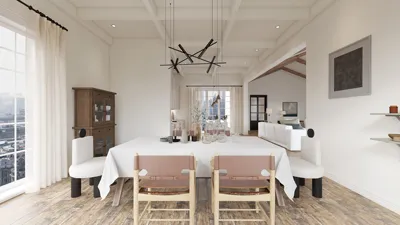


I've always appreciated how etched glass interacts with light during morning prayers—creating a soft, diffused, and serene ambiance. In today's modern homes where space is limited, glass etching can artfully define the pooja area without fully enclosing it from the home. When executed correctly, it harmonizes symbolism, privacy, and acoustics while ensuring the area remains visually bright and open. Homestyler can assist in visualizing these spaces effectively.
Light plays a crucial role in any sacred space. Soft, diffused daylight fosters calmness and concentration, and high-quality etched glass can minimize glare while softening harsh rays. The WELL v2 guidelines suggest reducing glare and enhancing visual comfort to alleviate eye strain and promote mental well-being; achieving balanced illuminance of typically 300–500 lux for ambient actions helps maintain clarity without strong contrasts (source: WELL v2). Ergonomically, a kneeling or seated position on a raised surface of 380–450 mm aligns with ideal joint angles recommended by ergonomics experts (source: ergonomics.org). These benchmarks are essential in guiding design choices within the artistic elements.
The psychology of color is also vital. According to an overview from VerywellMind, warm whites and soft golds evoke feelings of warmth and positivity, while muted greens symbolize restoration—ideal for a reflective pooja setting. In practice, I match etched designs with warm 2700–3000K lighting to maintain a soothing and ceremonial environment, steering clear of cold 4000K+ lamps that can feel impersonal.
Design Language: Motifs Merging Tradition and Modernity
Glass etching provides an opportunity to explore translucency creatively. I generally select a lightly frosted main area for privacy, while adding sharp, shallow etch lines for intricate patterns. Geometric yantras—such as Shri Yantra or mandala-style grids—look stunning on a sliding glass panel. Linear lotus designs, peacock feathers, or delicate bell shapes are appealing in both understated and elaborate contexts. A contemporary touch could involve micro-etched borders creating a halo effect surrounding a central motif, all effortlessly integrated using tools like Homestyler for layout precision.
Layout and Flow: Defining the Sacred Space
In many apartments, the pooja niche is adjoined to the living or dining area. A slim, etched glass divider can create a defined zone without obstructing movement. When considering the placement of doors and windows, a layout simulation tool such as the room layout tool allows you to visualize sightlines, traffic patterns, and daylight ingress before finalizing your design. Ensure a minimum clear width of 900 mm for easy movement and a radius of 600–750 mm in front of the shrine for kneeling or seated rituals. Position the etched panel to obscure cluttered views while maintaining a spacious atmosphere.
Light Quality and Glare Management
While etched glass does diffuse light, it's not a solution for every issue. I recommend using a matte etch finish on primary panels while reserving glossy laminates for narrow accent borders to minimize specular reflections. For windows facing the pooja area, mitigate direct sunlight with sheer blinds or higher-density frosting (privacy level 70–80%). Strive for layered lighting: gentle ambient light, a focused yet shielded spotlight on the deity (with baffles to curb glare), and subdued backlighting to highlight the etched design. The visual comfort principles from WELL v2 serve as a useful guide for balancing luminance levels and reducing discomfort glare.
Material Selection: Etch Depth, Finish, and Edge Treatment
There are three standard methods of glass etching: sandblasting, acid etching, and laser micro-etching. Sandblasting yields a tactile, slightly textured surface; acid etching produces a smooth satin finish, while laser micro-etching allows for ultra-fine lines and repeatable patterns without increasing surface roughness. For doors or sliding screens, I choose tempered or laminated safety glass with a thickness ranging from 8–12 mm, featuring eased edges and stable continuous channels. If the pooja space accommodates oil lamps or incense, laminated glass further guarantees safety and offers better sound dampening. Select hardware in brushed brass, antique copper, or matte black to enhance traditional aesthetics without overshadowing the etching.
Balancing Privacy and Openness: Navigating Translucency
The density of frosting directly influences how much silhouette visibility is permitted. For pooja areas near living rooms, I typically implement a frosting density of 60–70% on the main field, while reserving 30–40% for bordering motifs. A dual-layer method—one frosted primary field complemented with clear etched patterns—helps maintain design clarity while blurring background distractions. For minimalist homes, I recommend situating motifs in the upper third of the panel and keeping the lower area more opaque to lessen visual clutter from furnishings.
Acoustic Comfort and Ritual Sound Management
Etched glass has reflective properties; while textured surfaces aid, they are not the sole solution. Incorporate a plush rug, covered bench, or a fabric ceiling panel above the pooja area to absorb sounds from chants or bells. Laminated glass (with sound-dampening PVB interlayer) enhances sound isolation compared to monolithic tempered glass, contributing to a more serene experience during daily activities. This subtle acoustic enhancement preserves tranquility without muffling ritual sounds.
Ergonomics: Seating, Accessibility, and Safety
For seated rituals, ensure a comfortable reach around the central idol, which should be 1050–1200 mm high above the floor, with diyas placed below eye level, and accessible storage within a 500–700 mm reach for frequently used items. Maintain a minimum of 50 mm distance from open flames to the glass surface; although the risk of thermal shock is lower with tempered glass, adequate spacing promotes durability. Integrate a concealed LED strip for backlighting etched designs—prioritizing low wattage with high color rendition index (90+)—to ensure the true colors of flowers and fabrics are preserved.
Design Concepts I Consistently Favor
- Lotus Frieze: A continuous arrangement of lotus petals across the top third positioned above a gently frosted area, creating an airy and ceremonial effect.
- Yantra Centerpiece: A precisely micro-etched yantra centrally placed in a clear pane, bordered by satin-etched outlines for depth.
- Bell Cascade: Vertical bell shapes along the edge of a sliding door; as the door opens, the design animates like soft chiming sounds.
- Peacock Feather Gradient: Fine linework of feathers flowing across a corner panel, denser at the base and gradually lighter towards the top.
Color, Light Temperature, and Ritual Atmosphere
Combining etched glass with warm 2700–3000K lamps complements brass diyas and vibrant marigold flowers. According to the insights shared by VerywellMind on color psychology, warm tones promote comfort and cooler tones elevate alertness; therefore, I avoid cool whites in pooja spaces except for cleaning purposes during the day. When natural light is abundant, balance with a dimmable lighting system to keep a calm illumination level conducive to mindful practices.
Maintenance and Durability
Etched glass tends to mask fingerprints better than clear glass, yet the oils from incense may leave a residue over time. Use non-abrasive, ammonia-free cleaners along with a microfiber cloth; steer clear of wax polishes that might alter the surface sheen. If you anticipate frequent splashes during rituals, consider specifying a slightly deeper etching for enhanced resilience or pick acid-etched panels featuring protective nano-coating.
Sustainability and Material Choices
Choose low-VOC sealants around frames and select durable materials that will age gracefully. If your project aligns with broader wellness strategies for your home, WELL v2 emphasizes the importance of materials that minimize harmful emissions and bolster overall wellness. Materials like recycled-content glass and modular hardware help reduce waste and ease future updates.
Planning Recommendations for Apartments and Small Homes
- Position the pooja niche to capture gentle morning light while avoiding direct glare.
- Implement a sliding etched screen to conserve swing space.
- Limit motifs to one or two key elements for a serene aesthetic.
- Experiment with frosting density samples on-site; lighting can alter the perception of privacy.
- Utilize an interior layout planner like Homestyler early in the design process to evaluate flow and sightlines.
Frequently Asked Questions
For doors and sliding screens, 8–12 mm tempered or laminated safety glass provides stability and security. Thicker panels minimize vibrations and enhance acoustic performance.
Indeed, a satin or matte etch significantly diffuses light. Pairing this with warm 2700–3000K lighting and shielding direct light sources will adhere to the visual comfort principles referenced in WELL v2.
Geometric yantras, lotus friezes, and intricate peacock feathers deliver an elegant and contemporary style. Maintain a lightly frosted main field while limiting motifs to one central feature area.
Laminated glass features an interlayer that boosts sound dampening and retains shards if it breaks. Tempered glass is structurally stronger against impacts. In shared living-dining spaces, laminated options often feel quieter overall.
Utilize ammonia-free cleaners and soft microfiber cloths. Wipe any light residue weekly; for more persistent buildup, a diluted neutral detergent can be used without affecting the etched texture.
Strive for an ambient illumination of 300–500 lux with a dimmable capability in place. Ensure task or accent lights are shielded to prevent glare—this adheres to comfort standards commonly applied in wellness-oriented lighting methods.
Certainly. A frosted area of 60–70% paired with clearly defined motifs softens background movement while allowing adequate light. Adjust the density in relation to your home’s daylight and sightlines.
Maintain a minimum spacing of 50 mm and employ tempered or laminated glass. Introducing a metal tray or stone slab beneath lamps can safeguard surrounding surfaces.
While etching can diffuse reflections, it does not absorb sound effectively. Consider combining it with rugs or soft furniture; laminated glass offers improved sound control compared to singular panels.
Brushed brass, antique copper, and matte black provide a stunning complement to traditional design, enhancing without competing with the etched designs. Hidden tracks allow the focus to remain on the motifs.
Select recycled-content glass whenever possible, along with low-VOC sealants and durable hardware. These choices support broader wellness and responsible material practices.
Modern Solid Wood Geometric Headboard King Bed with Linen Bedding 3D Model

Minimalist Linen Upholstered Platform Bed With Nailhead Trim 3D Model

Rattan Boho Bed With Decorative Throw Pillows 3D Model
Discover your creativity with Homestyler, the ultimate online home design platform. Its user-friendly design tool, stunning 3D renderings, and inspiring DIY video tutorials make it easy to transform your ideas into reality. Whether you're a beginner or an expert, Homestyler is your go-to solution for amazing interior design projects!
Progetta ora GRATIS
































