

The design of hospital waiting rooms significantly influences initial impressions and overall patient experiences, with the impact felt long before a clinician engages. In India, characterized by high foot traffic, diverse patient needs, and various infrastructure challenges, crafting a waiting area that achieves a balance between comfort and operational effectiveness is essential both clinically and culturally. My objective is to integrate human-centered design principles, local behavioral insights, and substantiated standards to create environments that calm, inform, and facilitate seamless movement for individuals.
Research continually underscores the importance of design in healthcare settings. Steelcase findings suggest that thoughtfully designed spaces can alleviate stress and enhance perceived care quality. Moreover, Herman Miller’s studies connect the dots between ergonomic seating and effective wayfinding with reduced wait time perceptions and increased patient satisfaction. Correspondingly, the WELL Building Standard (v2) presents evidence of how acoustic and lighting quality can measurably reduce stress and cognitive load—factors that are especially critical in India’s high-volume hospitals.
Lighting standards offer clear guidance for creating inviting spaces. The Illuminating Engineering Society (IES) suggests maintaining an illumination level of around 200–300 lux for general waiting areas, with specific zones like registration and billing benefiting from increased levels of 300–500 lux to mitigate errors and alleviate eye strain. A balanced color temperature ranging from 3500 to 4000K, along with uniformity and glare management, fosters a tranquil atmosphere essential for accommodating families, elders, and anxious patients.
Human-Centered Zoning: Calming Flow and Clear Purpose
To design an effective waiting area, I delineate three specific zones: Arrival & Orientation, Core Waiting, and Support & Services. The arrival experience necessitates intuitive wayfinding, evident registration points, and immediate seating options for elderly individuals or those in distress. The Core Waiting area should be subdivided into smaller environments—quiet corners for families, playful spaces for children, and adaptable seating for varying wait durations. The Support & Services zone offers drinking water, sanitation access, mobile charging, and private areas for confidential discussions. By carefully planning the arrangement of registration, triage, and billing, I can establish a spatial hierarchy that minimizes backtracking and perceived waiting times. For visualizing layout variations accommodating different patient volumes, I frequently utilize room layout tools such as Homestyler.
Seating Ergonomics: Comfort Without Congestion
In culturally diverse and densely populated environments, ergonomics play a crucial role. Ensuring seat heights of 17–18 inches can assist elders in rising more easily, while moderate pitch and lumbar support can minimize fatigue during protracted waiting periods. Offering a variety of seating types—benches, armchairs, and bariatric options—addresses the needs of different body types and mobility challenges. To facilitate family clustering, I avoid continuous armrests in selected areas, while maintaining them in others for personal comfort. Choosing durable, easy-to-clean upholstery with antimicrobial features enhances hygiene and creates a softer aesthetic. Herman Miller’s research illustrates that supportive seating diminishes musculoskeletal strain and fosters patience amidst uncertainties in wait times.
Visual Balance and Color Psychology
In stressful environments, color can have a soothing effect. According to research from Verywell Mind on color psychology, gentle greens and blues promote a sense of calm and trust, while warm neutral tones convey a feeling of hospitality. I opt for minimal use of saturated colors—applying them strategically to mark significant features such as signage walls, rather than immersing the entire area. The visual rhythm created by a consistent base palette, repeated textures, and layered lighting enhances legibility. In pediatric spaces, strategically used brighter colors can help in navigation and alleviate anxiety, whereas adult areas benefit from muted tones to reduce agitation.
Lighting Strategy: Illumination That Guides Behavior
Ambient lighting should reach the recommended 200–300 lux baseline using diffuse, glare-free fixtures. This is complemented with 300–500 lux task lighting positioned at counters, self-service kiosks, and areas requiring forms to be filled out. It’s crucial to avoid direct downlighting above individuals' faces; using indirect light or high-color rendering index (CRI) fixtures preserves natural skin tones and lessens the harsh clinical feel. In warm Indian climates, managing solar gain through window films, louvers, and shading devices is important to diminish glare and regulate thermal discomfort in waiting areas. Incorporating circadian-friendly lighting with neutral-white tones and adjustable dimming options contributes to an energy-efficient environment throughout peak periods.
Acoustic Comfort: Reducing Cognitive Load
Excess noise can significantly heighten stress levels. I prioritize minimizing reverberation by incorporating acoustic ceilings, padded wall panels, and strategically positioned soft surfaces that are also easy to maintain. Sound-absorbing partitions in areas near registration and billing help prevent the noise from conversations affecting quieter zones. Implementing a subtle sound masking system can also help obscure speech intelligibility without increasing overall sound levels. The acoustic guidelines set by WELL v2 provide a valuable framework for selecting materials and establishing goals for sound control.
Wayfinding, Information, and Queue Transparency
Providing clear signage in both English and local languages is essential. I ensure that icons accompany text and that they are positioned at a consistent height for accessibility. Utilizing digital queue boards and SMS notifications can alleviate uncertainty, as perceived waiting times typically lessen when patients are informed of their progress. Maintaining an unobstructed sightline from the entry to registration and guiding circulation paths with distinctive floor patterns or lighting effects is vital, as is positioning seating in a way that directs focus toward information sources to minimize neck strain.
Inclusive Design: Accessibility and Dignity
In Indian hospitals, it is crucial that accessibility considers the needs of wheelchair users, those with walkers, and individuals with low vision. Pathways should measure between 900–1200 mm; priority seating should be nearby the entrances; tactile cues for important transitions should be included. Designated areas for nursing mothers and quiet retreats help respect privacy and cultural norms. Furthermore, employing height-appropriate counters and accessible reach ranges minimizes reliance on staff, thus streamlining patient flow.
Materials and Hygiene: Durable, Cleanable, Responsible
Selecting materials involves finding a balance between infection control and sensory comfort. Non-porous, hospital-grade surfaces at high-touch points should feature rounded edges for easier cleaning. Upholstery in high-risk areas should meet bleach-cleanable specifications, and antimicrobial finishes should be applied as needed. For sustainability, it's essential to choose durable materials that extend replacement cycles; low-VOC coatings and cradle-to-cradle certified products should be considered where possible. Resources like Material ConneXion can provide valuable insights into material durability and public health performance.
Micro-Comforts: Small Moves, Big Effects
Incorporating mobile charging ledges, bottle-filling stations, and tactile handrails can significantly ease the patient experience. Soft, ambient music played at low volumes can help reduce anxiety, while being mindful of cultural and religious sensitivities to ensure neutrality. Additionally, selecting low-maintenance plants that comply with infection control guidelines can introduce biophilic elements without adding clutter.
Workflow Efficiency: Layout and Staffing Synergy
Designing efficient layouts can cut down wait times and enhance staff monitoring capabilities. Registration areas should be located next to triage or information desks to limit repetitive inquiries. To streamline the patient experience, separate quick-service counters (like billing and document retrieval) from those specializing in more complex queries. Staff pathways should be discreet yet conveniently placed to respond swiftly to patient needs. To evaluate different queue strategies—such as assigned seating versus serpentine lines—I utilize interior layout planners like Homestyler.
Safety, Resilience, and Maintenance
In order to mitigate incidents in crowded environments, factors like slip-resistant flooring, rounded edges, and sturdy hardware are essential. Choosing modular components allows for quick replacements, and maintaining a repository of spare parts for high-use items—such as chairs and signage—is advisable. It's imperative that emergency egress routes are clearly marked and unobstructed, with illuminated indicators and redundant cues to guide individuals safely.
Future-Ready Features
In anticipation of evolving patient flows, incorporating telehealth booths, check-in kiosks with multilingual functionalities, and versatile furniture is vital for modern hospitals. Tools such as digital directories and patient capacity indicators can aid staff in managing patient loads effectively. When possible, designs should prioritize flexibility—using movable partitions and stackable seating arrangements, alongside plug-and-play power outlets, to accommodate fluctuations in patient volume during peak times.
FAQ
The optimal illumination level for general waiting areas is around 200–300 lux, with 300–500 lux designated for task-oriented zones like registration and billing, according to the IES standards focused on visual comfort and task accuracy.
Seat heights between 17–18 inches, a comfortable seat pitch, lumbar support, a mix of seating types (including options for larger body types), and strategic armrest placement provide comfort to reduce fatigue significantly during waiting times.
Implementing acoustic ceilings, washable upholstered panels, and sound-absorbing partitions contributes to controlling noise levels. Targeted lower reverberation times, along with gentle sound masking, can minimize speech intelligibility without compromising the cleanliness of surfaces.
Utilizing soft greens and blues, complemented by warm neutrals, can help foster a sense of calm and instill trust. Bright accent colors should be carefully integrated to mark identifiable features and designed pediatric spaces, keeping overstimulation at bay.
Incorporate transparent digital queue boards, visible registration counters, and well-placed multilingual signage to ensure clarity. Serpentine queue designs often facilitate better flow; keep quick-service counters distinct from more complex service areas.
Ensure pathways remain between 900–1200 mm wide, maintain priority seating close to entrances, implement tactile flooring cues, design counters at approachable heights, and ensure full wheelchair accessibility throughout the waiting area. Signage should be easy to read and utilize icons for better understanding.
For hygiene, choose non-porous, hospital-grade materials at points of contact and utilize bleach-cleanable upholstery where necessary, coupled with low-VOC finishes and resilient fabrics. Rounded edges will aid in cleaning while modular components will simplify ongoing maintenance.
Digital layout planning tools can quickly simulate seating capacities, queue pathways, and sightlines. These aids help assess staff visibility, patient movement, and overall wayfinding effectiveness before making design commitments. Testing with layout simulation tools like Homestyler allows for informed planning decisions.
Utilizing shading devices, low-emissivity (low-E) glass, and window films effectively reduces solar gain and glare, which is particularly important in Indian environments. Pairing this with neutral-white lighting and dimmable fixtures fosters stable visual comfort throughout the day.
Absolutely. Opting for low-maintenance plants that align with infection control protocols can be beneficial. Strategic placement away from clinical pathways and selecting species that minimize shedding issues helps maintain hygiene standards.
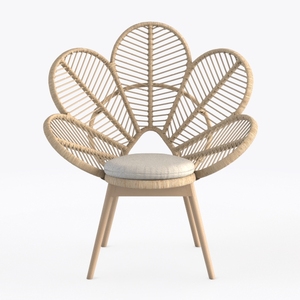
Baxton Studio Garan Modern Bohemian Natural Brown


Creative Furry Fabric Novelty Kids Armchair with Wheel Base 3D Model
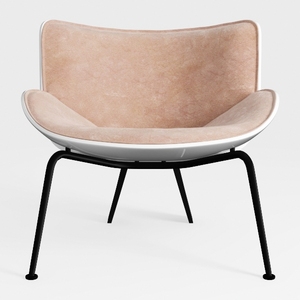
HomePop Home Decor | Upholstered Modern Accent Cha
Discover your dream home design with Homestyler! This user-friendly online platform offers innovative design tools, stunning 3D renderings, a variety of design projects, and helpful DIY video tutorials. Perfect for both beginners and seasoned decorators, you can effortlessly create and visualize your ideal space!
Progetta ora GRATIS
































