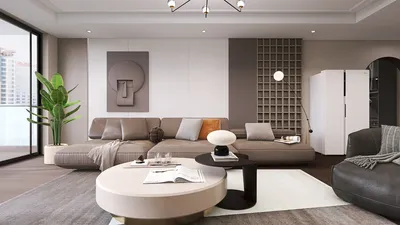


Nestled amidst the ethereal Nilgiris, Kinnakorai presents a unique opportunity for an intimate lodging experience characterized by serene hillsides, refreshing mornings, and a tranquil pace of life. As I evaluate the accommodations here, I seek out designs that promote a harmonious spatial flow, layered illumination, and tactile materials that counteract the alpine chill. Comfort is intentional, crafted through ideal proportions, ergonomic design, and sensory elements that invite relaxation. Utilizing tools like Homestyler can facilitate this process by allowing you to visualize and optimize room layouts for enhanced comfort.
Lighting serves as the cornerstone of a warm and inviting stay. In guest rooms, I aim for an ambient light level of approximately 100–200 lux, complemented by task lighting of 300–500 lux for reading, in accordance with IES recommendations for residential spaces. Warmer color temperatures (2700–3000K) enable guests to unwind after sunset, and dimming features support gradual adaptation to varied daylight. From a wellness perspective, the WELL v2 standard emphasizes glare reduction and circadian-friendly lighting techniques—optimizing vertical illuminance, minimizing harsh contrasts, and shielding light sources—resulting in more peaceful evenings and effortless mornings. To delve into the intersection of lighting and wellness, resources like IES standards and the WELL Building Standard provide extensive guidance.
Design Priorities for Inviting Spaces
My design checklist starts with a well-defined entryway, unobstructed circulation paths, and sightlines that highlight the bed and a cozy corner. The proportions of the space are crucial: I ensure the bed is aligned with a focal wall, maintaining a comfortable passage of 750–900 mm on either side for easy movement. For compact settings, incorporating a small lounge chair or window seat creates an alternative relaxation area without overwhelming the space. When arranging furniture, I frequently utilize interior layout tools like Homestyler to prototype configurations, checking clearances and lighting arrangements.
Layered Lighting That Feels Natural
Creating a cozy atmosphere doesn’t imply low lighting; it emphasizes control over illumination. I incorporate three lighting layers: ambient (ceiling fixtures or shaded pendants), task (bedside lamps positioned at eye level to deliver 300–500 lux), and accent lighting (such as picture lights or warm LED strips). Shielded light sources minimize glare, and using 2700K lamps in the evening reduces alertness compared to cooler 4000K lighting. Opt for flicker-free drivers and a Color Rendering Index (CRI) of 90+ to enhance the appearance of skin tones and materials. Windows should allow gentle daylight into the space, supported by blackout drapes for optimal sleep and sheer options for privacy.
Color Psychology and Material Warmth
Color significantly influences emotional ambiance. Soft neutrals with warm undertones—like sand, oatmeal, and clay—provide stability for mood, while muted greens can evoke the natural surroundings, minimizing visual discomfort. Research from Verywell Mind indicates that warm hues foster a sense of coziness, while cooler shades promote tranquility; weaving these colors into textiles and wall paint achieves a balance between intimacy and relaxation. The choice of materials is equally important: integrating wool throws, cotton sateen, matte woods, and textured rugs heightens tactile comfort while mitigating acoustic harshness.
Ergonomics for Restful Sleep
Ergonomics plays a vital role in comfort. A bed height of 450–500 mm is suitable for most adults, facilitating easy transitions from sitting to standing. Nightstand surfaces should be positioned at 600–650 mm to keep essentials like books and water within reach. Reading lamps must be adjustable to cast a light beam onto the page at approximately 30–40 degrees to avoid shadows. For workspaces, a height of 730–750 mm with adequate leg clearance and an adjustable chair offering lumbar support is recommended; these dimensions adhere to standard human factors practices in hospitality design.
Acoustic Comfort in Mountain Environments
Sound travels easily in mountainous regions; therefore, interiors should be designed to absorb noise. Incorporating upholstered headboards, floor-length curtains, fabric wall panels, and multiple layers of rugs can significantly dampen reverberation. Installing solid core doors with appropriate seals helps keep corridor noise at bay. Furthermore, mechanical systems should be selected for their low dBA ratings, as the psychological effects of erratic noise can disrupt sleep more than consistent background hums. Strategically placed white noise machines or soft fans can help mask unpredictable outside sounds without being disruptive.
Thermal Comfort and Bedding Arrangement
Effective thermal layering is critical for ensuring warmth during Kinnakorai's cool evenings. Choose breathable natural fabrics to avoid heat retention—such as cotton sheets, wool quilts, and light down alternatives for versatile comfort. Providing a throw blanket at the foot of the bed allows guests to make micro-adjustments as needed. Room orientation can influence warmth in the morning; east-facing spaces benefit from early sunlight, whereas west-facing rooms need adequate shading to prevent overheating in the late afternoon. Installing programmable thermostats or ceiling fans with winter/summer modes grants guests greater control over their comfort.
Spatial Rhythm and Visual Harmony
Rooms instill a sense of calm when their design rhythms are perceptible: repeat textures at intervals, position rugs beneath beds so they extend 450–600 mm beyond the edges, and create balance between vertical elements and artworks or mirrors placed across from openings. Limiting the color palette to three main tones and two accent colors is recommended. Ensure there is negative space—at least one uncluttered wall and open floor area—to allow the eye to rest. Achieving good balance often involves removal just as much as it does addition.
Layout Guidelines for Various Room Types
- Compact spaces: Select one lounge piece (such as a chair or bench), utilize wall-mounted lighting to free up surfaces, and consider sliding doors to maximize functionality. Use tools like an interior layout planner to uphold a minimum circulation of 750 mm.
- Family spaces: Designate different functional areas such as sleep, play, and storage with the help of rugs and lighting cues. Keep storage for toys within reach and create a reading nook away from major traffic areas.
- Rooms with a view: Position the bed to face the window instead of the television. Implement sheer coverings to soften glare while maintaining visibility of the horizon at night.
Local Elements: Connecting the Nilgiris to Indoors
Embrace the local landscape: Integrate botanical themes inspired by shola forests, framed maps of the hills, and ceramics featuring earthy glazes to create a connection for guests to the region. Use subtle fragrances, such as tea, eucalyptus, or cedar, in the form of reed diffusers instead of sprays. Place a tea tray with local blends by a window seat; these rituals make a stay memorable.
Minor Details That Enhance the Experience
Offer various pillow densities, a carafe along with a glass, and a bedside switch that is easy to reach from the bed. Careful cable management and discreet outlets around the headboard can help keep nighttime clutter to a minimum. Nightlights with a low-lux amber glow can guide movement without disturbing sleeping companions. A compact wardrobe equipped with hooks and a bench can mitigate suitcase clutter.
Sustainable Materials and Durability
Select durable finishes that feature low-VOC coatings and natural fibers designed to endure wear. Matte surfaces help reduce glare and fingerprints. If leather is included, opt for semi-aniline to strike a balance between texture and ease of maintenance. Choose timber species that remain stable under changing humidity, and use oiled finishes for straightforward spot repairs. A focus on sustainability and long-lasting materials often leads to fewer replacements and an enhanced guest experience.
Selecting the Right Stay: Key Considerations
When choosing accommodations in Kinnakorai, inspect photos for evidence of layered lighting, properly scaled rugs, effective window treatments, and ergonomic bedside arrangements. Read guest reviews that highlight peaceful nights, thermal comfort, and quality bedding. Typically, a room that appears minimal yet offers texture and light control tends to promote a better sleep experience than a cluttered space.
FAQ
Aim for an ambient light level of 100–200 lux, alongside a task light brightness of 300–500 lux at the bedside. Warmer color temperatures (around 2700–3000K) aid in the evening unwinding process.
Utilizing warm neutrals in combination with muted greens and clay shades evokes a sense of comfort while mirroring the natural landscape, fostering both calmness and intimacy.
Incorporate upholstered headboards, heavy drapes, rugs, and solid-core doors. Ensure that mechanical systems operate quietly and consider using soft white noise if outdoor sounds fluctuate.
A bed height within the range of 450–500 mm supports ease of transition from sitting to standing, while bedside surfaces raised to 600–650 mm paired with focused reading lamps can help minimize strain.
Limit furniture to fundamental pieces, opt for wall-mounted lighting, scale rugs appropriately, and uphold at least 750 mm of unobstructed circulation in walkways.
Yes. Utilizing warmer color temperatures (2700–3000K) can diminish alertness compared to cooler lighting, effectively supporting evening relaxation, particularly when combined with dimming features.
Natural materials like wool, cotton, and matte wood are ideal for increasing perceived warmth and mitigating acoustics within a space.
Whenever possible, align the bed to face the window, keep accent lighting low, and incorporate sheer curtains to regulate glare while allowing for visibility of the horizon.
Utilize breathable bedding options including cotton sheets, wool quilts, and lightweight down alternatives for adjustable warmth without the risk of overheating.
Incorporate dimmable, glare-reducing fixtures and amber nightlights for safe navigation that doesn’t disturb sleeping patterns.

Mid Century Modern Solid Oak Nightstand with Single Drawer 3D Model


bed-Powdered Pastels
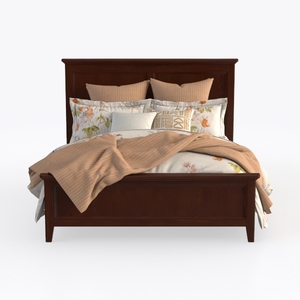
Traditional Walnut Solid Wood Bedroom Bed with Bedding 3D Model
Looking to transform your home? Homestyler is your go-to online home design platform! With its user-friendly design tool, stunning 3D renderings, inspiring design projects, and helpful DIY video tutorials, you can effortlessly create your dream space, regardless of your experience level. Dive into design today!
立即免费设计
































