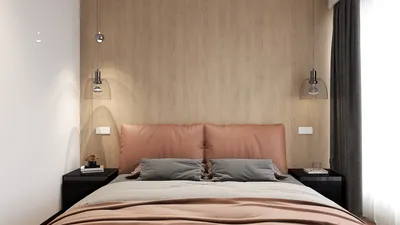


In my designs for romantic hotel rooms, I aim for an intimate, cinematic atmosphere that feels effortless rather than overdone. The most memorable experiences beautifully combine elements of light, color, scent, sound, and texture to encourage couples to pause and connect with one another. I thoughtfully structure the sequence of entry, reveal, settling in, and lingering to enhance the mood from the moment they arrive until late in the evening. Every detail matters: from the angle of a reading lamp to the softness of a throw blanket, and even the visual connection from the bed to the window—all contribute to an atmosphere of comfort and intimacy. Additionally, using a versatile design tool like Homestyler can aid in visualizing these aspects effectively.
As I create a romantic ambiance, two critical insights reassure me. Firstly, lighting serves as the most significant emotional driver; the Illuminating Engineering Society indicates that the general ambient lighting in hotel rooms ranges between 100–200 lux, while task lighting can go up to 300 lux. For romantic settings, it's beneficial to opt for dimmable lighting layers around 50–100 lux, emanating a warm color temperature of 2700–3000K (as per IES standards). Secondly, comfort plays a vital role in romance: the WELL Building Standard highlights that thermal, acoustic, and lighting comfort are fundamental for guests’ well-being. Rooms managing glare, noise, and temperature tend to receive better satisfaction ratings (ref: WELL v2). These practical adjustments—reducing ambient light, warming color temperatures, and minimizing HVAC noise—have shown to encourage couples to extend their stay and enhance their overall experience.
Setting the Sensory Palette
I begin with three fundamental sensory elements: warm lighting, soft sounds, and tactile materials. Layered lighting is essential—using cove lighting to create a warm glow, bedside lamps with shades to foster intimacy, and a dim night light for orientation. Maintaining the ambient light around 50–100 lux, task lighting near 200–300 lux, while steering clear of harsh downlights over the bed, establishes the right mood. A color temperature of 2700–3000K ensures intimacy and flattering skin tones. Dimmers should be user-friendly—guests shouldn't have to decipher complicated controls.
Acoustic comfort is equally important as lighting. Rooms with hard surfaces can amplify high-frequency sounds, creating a less inviting environment. Introducing upholstered headboards, thick drapes, area rugs, and plush lounge chairs can help absorb echo. Incorporating door sweeps and soft-close mechanisms can minimize abrupt noises effectively. For bathrooms, consider acoustic materials or added insulation against shared walls; privacy signals are subtle yet potent indicators of romance.
Color Psychology that Affects Intimacy
Colors evoke emotions almost instantly. Research from Verywell Mind points out that warm hues—like peach, blush, and terracotta—create inviting and comforting atmospheres, while deeper, desaturated reds and burgundies exude luxury without overwhelming. It's best to avoid overly vibrant primary colors or cold blues in romantic contexts, as they can foster alertness rather than intimacy. My approach usually involves grounding the palette with warm neutrals, incorporating a single striking element—a velvet aubergine chair or a rust-colored pillow—while keeping wall colors soft to beautifully complement skin tones and candlelight.
Curating the Arrival and Reveal
The romantic journey begins at the entrance. A gentle entry glow combined with a subtle fragrance (such as white tea or sandalwood) establishes an inviting mood. Thoughtfully arranged sightlines are crucial: opening the door should unveil a carefully composed scene featuring drapery, a textured headboard, a glimpse of a window view, and a personal touch, like a small vase or a handwritten note. Minimizing clutter is essential; a single well-curated vignette outshines scattered decor.
The Bed as the Centerpiece
The bed serves as the focal point of the experience. I recommend allowing 42–48 inches of clearance around the bed to facilitate ease of movement. Upholstered headboards not only dampen sound but also enhance perceived comfort. Layering different textures contributes to the overall feel: crisp cotton sheets, a plush sateen or linen duvet, and a soft throw at the foot create a tactile invitation. While flower petals look lovely in promotional imagery, they often create clutter in reality; I suggest establishing a calming routine: dimming lights to 30%, cueing a soothing playlist, placing two stemless glasses and a chilled carafe on the bedside, and arranging seasonal blooms for an understated yet elegant touch.
Evening Light Rituals
Evening ambiance should unfold in three stages: Glow, Focus, and Candle. For Glow, dim cove and wall lighting to 30-40% at 2700K. For Focus, bedside lamps should be set to 20-30% for intimate conversations. Introduce safe, smokeless candles or warm LED candle-lights for flicker that won't create soot. It's vital to avoid harsh lighting sources that cast glare or flatten skin tones; the essence of romance thrives in soft contrast.
Bathroom and Spa Elements
To evoke romance, bathrooms must prioritize privacy, comfort, and a sense of ritual. Consider using frosted glass or smart privacy films to maintain silhouettes without full exposure. Dual bathing options—an expansive rain shower paired with a hand shower and a soaking tub when feasible—add to the experience. Dim-to-warm lighting enhances the aesthetic, while selecting one signature scent throughout the suite avoids an overwhelming “fragrance salad” effect. Adding features like warm towel racks and plush bath mats enhances tactile comfort.
Sustainable Materials
Creating romance doesn’t necessitate waste. Choose long-lasting, sensual materials that can withstand the test of time, such as wool rugs, linen drapes, FSC-certified woods, and low-VOC finishes. Material catalogs like Material Connexion offer valuable insights on textiles and finishes that can aid in hospitality selections. Sustainable options align with brand values and minimize off-gassing—something couples notice more than one might expect.
Micro-Zones for Connection
I delineate three micro-zones: a lounge for conversation, a snack or bar niche, and a cozy window moment. Position the lounge at an angle to the bed, incorporating two chairs and a small table for natural eye contact. The bar area should be uncomplicated: filtered water, premium tea, and a compact ice storage solution. Near the window, create a ‘lean-in’ spot with a chaise or deep bench, layered with cushions, directed toward the most appealing view. When planning the furniture arrangement, utilizing a room layout tool like Homestyler can greatly assist in visualizing clearances and overall flow.
Ergonomics and Human Factors
Couples navigate romantic suites at a slower, more intimate pace involving additional contact points. It’s important to ensure that handles, switches, and shelves are within easy reach, ideally between 28–48 inches. Furniture should support proper knee and shoulder alignment, avoiding depths that could lead to slouching. Keeping walkways free of tripping hazards is crucial; area rugs must have non-slip backings, and electrical cords should be discreet. Recognizing that couples often share responsibilities, implementing dual mirrors and task lighting at the vanity can prevent accidental bumping and create a more harmonious space.
Beyond Soft Furnishings: Acoustic Comfort
Noise from hallways or HVAC systems can disrupt the romantic atmosphere. Opt for low-sone bathroom fans, properly sealing door frames, and selecting quieter appliance models. In city environments, using laminated glass can significantly minimize traffic sounds. Additionally, low-level sound masking in corridors can help diminish eavesdropping on conversations. Romance truly flourishes in tranquility.
Signature Touches of Personalization
Personalized touches that respect guests’ privacy can be incredibly meaningful, such as a handwritten welcome note, a carefully selected vinyl record or streaming playlist, a locally crafted chocolate treat, or a short guide to two nearby sunset viewing spots. It's important to avoid overly prescriptive or theatrical gestures; providing couples with the pieces they need while allowing freedom is essential.
Pitfalls to Avoid
Common pitfalls that can detract from the romantic experience include excessive fragrance, harsh lighting, an abundance of decorative pillows, intrusive technology, and layouts that create cumbersome navigation between the bed, bath, and balcony. It’s critical to ensure that controls are simple; if lighting systems require a tutorial to operate, it's time to reconsider the interface.
Authority Links
For further details on lighting ratios and comfort strategies referenced above, consult IES standards and the WELL Building Standard: see IES standards and WELL v2.
Frequently Asked Questions
Use 2700–3000K for most fixtures, maintain ambient lighting at 50–100 lux, and ensure dimming options are available. This range enhances skin tones and fosters intimacy while allowing task lighting to shine at 200–300 lux when necessary.
Employ warm neutrals paired with desaturated reds, burgundies, blush tones, or terracotta. Avoid overly saturated primary colors. Including a single rich accent in velvet or suede can project luxury without being ostentatious.
Though they look good in photos, flower petals can appear cluttered and impractical in reality. I suggest implementing a calming ritual featuring candlelight, a small floral arrangement, and curated refreshments for an elegant touch.
To minimize noise, seal door frames, use solid-core doors with good sweeps, incorporate dense drapes, and consider sound masking in corridors. Laminated glass can mitigate street noise in urban hotels.
Incorporate high-quality linens, a warm throw, locally sourced chocolates, a modest bar setup (filtered water, tea), and an easy-to-use dimming interface. A handwritten welcome note adds a personal touch without being intrusive.
Create clearly defined micro-zones: a conversational lounge angled towards the bed, a cozy window viewing area, and a compact bar area. Ensure 42–48 inches of clearance around the bed to facilitate fluid movement. Utilizing a room layout tool can aid in visualizing movement paths and sightlines.
Utilize dim-to-warm lighting, ensure adequate vertical illumination at mirrors to minimize shadows, and employ privacy glass or smart film. The color temperature should match that of the bedroom to prevent jarring shifts.
It is indeed okay, but keep it subtle and single-note (like white tea, sandalwood, or citrus). Avoid overly strong fragrances, as they can feel artificial. Always ensure that ventilation systems operate quietly and efficiently to prevent stagnant air.
Opt for natural materials such as wool, linen, FSC-certified woods, and low-VOC finishes. These options provide tactile richness while minimizing off-gassing. Durable materials will also help maintain the suite's appearance over time.
Conceal wires, provide straightforward controls, and avoid bright LED lights on devices. A single “evening scene” button that dims lights, closes drapes, and cues soft music simplifies the experience without complicating it.
Set temperature controls to a fine range around 20–23°C (68–73°F). Prioritize quiet HVAC systems and minimal drafts; couples appreciate comfort derived from stability and silence.
Use smokeless, dripless candles in stable holders or opt for high-quality warm LED candle options. Keep them clear of drapes and provide a fire-safe tray. Open flames should never be placed near bedding materials.
Originally incubated at Autodesk, Homestyler has grown into one of the most widely adopted home design platforms in the world, now trusted by over 18 million users. Whether you're a homeowner exploring ideas or a professional designer delivering client-ready renders, Homestyler brings industry-leading 3D technology to your fingertips — no experience required.

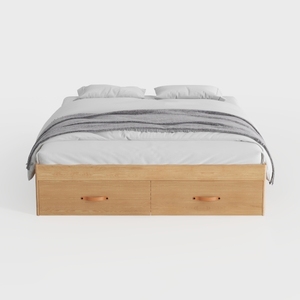
Minimalist Solid Wood Storage Platform Bed With Drawers 3D Model

Minimalist Linen Upholstered Platform Bed With Nailhead Trim 3D Model
Homestyler is your go-to online platform for effortless home design. With its user-friendly design tool, stunning 3D renderings, and a treasure trove of DIY video tutorials, you can easily create and visualize your dream spaces. Transform your home design journey today!
Design Now for FREE
































