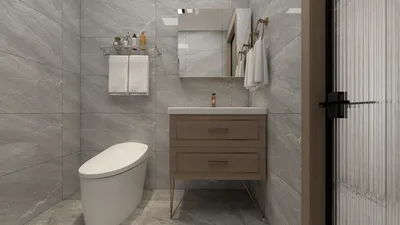


I have organized numerous intimate events in The Woodlands, catering to 25 to 80 attendees where fostering connection and creating a captivating atmosphere take precedence over sheer square footage. This guide encapsulates my methods for selecting venues, designing layouts, and adjusting lighting, acoustics, and guest flow, ensuring that smaller gatherings feel thoughtfully curated instead of cramped.
When considering capacity, it’s not merely about the number of guests; it’s about facilitating their movement and interactions. Research from Steelcase illustrates that spatial density influences comfort levels and collaboration, with smaller groups benefitting significantly from adaptable zoning and clear sightlines that mitigate visual distractions. The WELL v2 standard also underlines the importance of acoustics and lighting: managing glare, ensuring adequate illumination, and preserving speech privacy are critical factors for guest satisfaction in compact venues. Keeping these guidelines in mind helps me sidestep common issues in confined spaces.
The levels of lighting and the color temperature profoundly affect the event's mood. I strive for 200 to 300 lux for mingling sessions, escalating to 300 to 500 lux in dining areas and on stages. Recommendations from the IES suggest task lighting ideally sits around 300 to 500 lux; since small event programs often blend various functions—like readings, food service, and photography—I integrate ambient, accent, and task lighting to ensure visual comfort. According to research by Verywell Mind, warm hues can create a welcoming environment while cooler tones might evoke clarity and calm—my choice aligns with the program's mood and branding.
Choosing the Right Venue: Fit Before Finish
My venue selection process involves several key criteria: (1) capacity range (I find 30 to 80 attendees ideal), (2) ceiling height (with a preference for 9 to 12 feet to avoid acoustic buildup), (3) clean circulatory paths for HVAC and load-in, and (4) existing audio-visual capabilities. Venues with adjustable walls are particularly valuable for creating designated cocktail, programming, and lounge areas. I always request a floor plan and power map early on, followed by a 30-minute site visit during typical event hours to evaluate ambient noise and glare conditions.
Strategizing Layout and Guest Flow
For events that blend formats, I delineate three essential zones: Reception (for check-in and welcome drinks), Program (offering seating or standing options based on content length), and Social (featuring lounge clusters). To ensure optimal movement, I visualize pathways at 36 to 42 inches for primary circulation and 30 to 34 inches for secondary routes. For enhancing seating arrangements or bar placements, using a room design visualization tool like Homestyler can effectively assess flow, sightlines, and emergency egress.
Seating Arrangements: Prioritizing Conversation
Utilizing round tables promotes dialogue across the table, while rectangular arrangements optimize linear seating. For groups of 40 to 60, I typically blend four-tops and highboys, positioning a standout feature table close to the program area for VIPs. For brief presentations, theater-style seating with 36-inch row spacing provides comfort while saving space. If the focus is networking, I prefer dispersed lounge pods featuring chairs at 18 to 20 inches in height and varied armrest styles to accommodate diverse preferences.
Creating the Right Lighting and Atmosphere
I achieve a balance between ambient and accent lighting using dimmable LEDs, targeting 2700 to 3000K for social warmth, while aiming for 3000 to 3500K on stages or product displays to enhance clarity. Avoid direct downlights over attendees' faces; instead, employ off-axis spots and bounce lighting to minimize shadows. Effective glare management is vital—WELL v2 emphasizes controlling glare and ensuring visual comfort, prompting me to choose fixtures with diffusers and maintain a coherent luminance hierarchy. Employing candlelight enhances mood, but it’s essential to preserve at least one well-lit, shadow-free space for photographs.
Enhancing Acoustic Comfort in Compact Spaces
In smaller venues, noise can easily become amplified. I strategically incorporate soft finishes such as area rugs, upholstered seating, drapes, and acoustic panels wherever feasible. During mingling, I recommend background music at 60 to 65 dBA, and lowering it to 50 to 55 dBA for presentations. Positioning speakers to avoid hot spots while ensuring uniform sound distribution is crucial; it’s also essential to prevent sound reflections from hard surfaces. By adhering to WELL v2's acoustic guidelines, I strive for guests to enjoy clear and intelligible speech and always conduct a brief announcement test to verify clarity throughout the room before events.
Optimizing Food and Beverage Stations
I cluster beverage stations to alleviate wait times: ideally, one station per 30 to 40 guests, along with a distinct water and coffee area to mitigate bar congestion. Buffets should be placed away from heavily trafficked circulation areas, ideally in alcoves that allow at least 42-inch clearance. If serving passed hors d'oeuvres, it’s best to position trays and napkins away from doorways to prevent server blockages. Discreet placement of trash and compost bins near exits rather than centrally in rooms enhances the event's flow.
Ensuring Power, AV, and Technology Adequacy
It’s critical to map out power sources and load needs in advance. For brief remarks, a solitary wireless handheld microphone paired with a compact line-array or two full-range speakers is usually sufficient. Projectors should be positioned at 1.5 to 2 times the image width distance for optimal viewing, and testing brightness levels against ambient conditions is essential. Ensuring Wi-Fi access information is readily available at check-in while confirming a technical rehearsal 90 minutes prior to event commencement is vital for avoiding last-minute issues.
Branding and Leveraging Color Psychology
Maintaining a cohesive color palette is important: I recommend choosing one base, one accent, and one highlight color. For social gatherings, opting for warm tones such as amber or terracotta fosters approachability; for professional settings, integrating cooler neutrals like slate or soft blues signals focus and intent. Strategically utilizing color at key points—like check-in areas, bar fronts, and stage backdrops—guides guests naturally through the event space. Insights from Verywell Mind regarding color associations correlate with how attendees remember spatial cues and pathways.
Considering Human Factors and Accessibility
Visibility is crucial: ensure main focal points sit at 15 to 20 degrees below eye level for seated guests. Provide multiple aisle options and include a few armchairs for support. Table heights should range from 28 to 30 inches, with bar heights at 42 inches to promote ergonomic comfort. Ensuring signage features high contrast and a clear typographic hierarchy makes it easier for guests to quickly comprehend instructions.
Choosing Sustainable Materials
I advocate for using reusable linens, modular furnishings, and LED lighting to minimize waste and conserve energy. Opting for locally sourced flowers or potted plants reduces transport emissions while adding texture. Whenever venues permit, selecting materials with low VOC finishes contributes to maintaining stable air quality throughout the event.
Planning the Run-of-Show and Timing
Shorter formats excel in more compact rooms: typically allocating 20 to 30 minutes for arrivals, 15 to 20 minutes for formal programming, and finalizing with 45 to 60 minutes for open networking sessions. I employ simple cues for transitions: adjusting lighting for shifts, altering music to signal the beginning of programs, and implementing a final soft fade to indicate the conclusion of events.
Identifying Common Pitfalls—and Solutions
Overly crowded layouts hinder movement; I recommend reducing one piece of furniture per area if pathways feel constricted. Harsh white lighting can flatten features; dimming to 3000K along with adding side accent lights can enhance the ambiance. If noise levels at the bar disrupt speeches, consider splitting service between two stations while lowering background sound levels. To alleviate tech issues, printing backup documentation and keeping a wired microphone on hand can be lifesaving.
Frequently Asked Questions
For intimate experiences, targeting 30 to 80 guests strikes a balance that enables clear zoning, manageable acoustics, and adaptable seating without overcrowding.
General mingling should aim for 200 to 300 lux, while areas designated for food service and stage presentations should reach 300 to 500 lux. These levels align with IES task recommendations while ensuring pleasant ambiance.
Incorporate soft finishes like rugs, drapery, and upholstered seating, distribute speakers evenly to enhance coverage, and maintain background music around 60 to 65 dBA, lowering it to 50 to 55 dBA during announcements.
Mix highboys with four-top rounds and a selection of lounge pods, ensuring that primary circulation paths maintain 36 to 42 inches to avoid congestion.
Position the check-in area slightly away from the entrance, then guide guests toward a welcoming beverage station placed away from direct entry. Utilize clear, high-contrast signage for efficient processing.
For warm, social environments, aim for a temperature of 2700 to 3000K; for clearer displays, use 3000 to 3500K. Pair this with diffusion techniques to minimize glare.
Prepare with a wireless handheld microphone, dependable speakers, a spare wired microphone, and a tested projector or display. Execute a full technology check between 60 and 90 minutes prior to the event.
The WELL v2 framework provides insights on visual comfort and acoustics, while Steelcase research highlights the impact of spatial density on collaboration and comfort, both vital in making informed choices for small-space events.
For brief programs, offering flexible seating arrangements expedites flow. For events with significant sponsor or VIP engagement, consider assigning front rows or establishing a standout feature table for maintaining attention and courtesy.
Employ an interior layout planner to evaluate pathways, seating configurations, and sightlines—tools like a Homestyler layout simulation are invaluable for confirming clearances before finalizing arrangements.
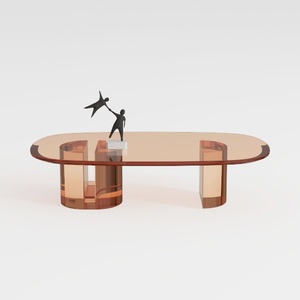

Modern Amber Glass Oval Coffee Table 3D Model

Modern Pink Fabric Gold Legged 2 Seat Sofa 3D Model
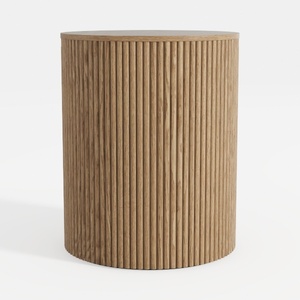
Minimalist Fluted Oak Round Side Table 3D Model
Discover the power of Homestyler, your go-to online home design platform! With its user-friendly design tool, stunning 3D renderings, and a wealth of design projects and DIY video tutorials, creating your dream space has never been easier or more inspiring. Start designing today!
تصميم الآن مجانا
































