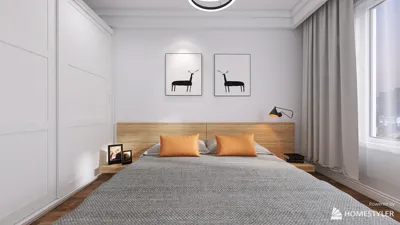


Having designed and reimagined over a hundred intimate function halls, I've found that effective spaces begin with intentional design: determining capacity, flow, and the overall atmosphere before selecting finishes or furnishings. Small venues excel by maximizing intimacy and functionality—where every inch is utilized. It’s crucial to establish benchmark depth, lighting quality, and sound absorption early in the planning phase. According to the WELL v2 lighting guidelines, multipurpose spaces should aim for an illuminance level of approximately 300-500 lux during active engagement and ensure glare control alongside adjustable color temperatures for comfort. Research from Gensler indicates that spaces encouraging various postures and activities significantly enhance perceived effectiveness and engagement, particularly in compact settings where adaptable seating, balanced lighting, and unobstructed circulation are vital. This is where tools like Homestyler can effectively assist in visualizing the layouts and flows.
Successful space planning must rely on quantifiable data. Research by Steelcase shows that having a variety of seating options and spatial choices is linked with increased comfort and improved performance, underscoring the importance of incorporating multiple seating styles and adaptable areas rather than strictly fixed layouts. Regarding color choices, findings from Verywell Mind suggest that warm tones foster sociability, while cooler colors promote calmness—this distinction is particularly useful when organizing different types of events such as receptions versus seminars. Additionally, I reference IES recommendations that advocate for maintaining a horizontal illuminance of around 300-500 lux in presentation areas, ensuring that vertical illumination on faces is adequate for visibility and photography.
Establishing Clear Goals: Capacity, Flow, and Functionality
I initiate with defining the program: Is it a wedding ceremony and dining? A cocktail gathering or a keynote speech? Training sessions or breakout discussions? Each function determines the spatial ratios—stage/presentation (10-15%), audience seating (55-65%), circulation and services (15-20%), and support areas (storage, AV, catering at 5-10%). For standing receptions, allocate about 6-8 sq ft per guest; banquet rounds typically require 10-12 sq ft per individual including circulation; classroom setups can vary from 14-18 sq ft per person to accommodate tables and sightlines. Ensure entrances lead guests into a decompression area rather than directly to seating, requiring a clear depth of 6-8 feet to alleviate potential bottlenecks.
Adaptable Layouts That Transform Instantly
The success of small venues hinges on the quickness of reconfiguration. I recommend using folding or nesting tables equipped with quiet casters, stackable chairs approximately 18-19 inches in seat width, and a mobile lectern. Maintain primary aisles of 40-48 inches, with secondary cross aisles at 36 inches. Sightlines are crucial; ensure the farthest seat maintains a vertical viewing angle of 30-35 degrees towards the stage while avoiding obstructions from pillars. While assessing various configurations—banquet, theater, classroom, or cabaret—I use tools like interior layout planners to simulate the movement of guests and staff, enabling me to refine service pathways and minimize disruptions.
Mood-Enhancing Lighting and Media Integration
Strategically layered lighting is essential for creating ambiance in smaller venues. I typically blend dimmable ambient lighting set at 300-400 lux, accent lights on focal walls to visually broaden the space, and vertical face lighting at 150-200 lux specifically for speakers and guests in photographs. For dining events, a warm tone of 2700-3000K is suitable, while seminars warrant a cooler setting of 3500-4000K. Whenever feasible, aim for a unified Color Rendering Index (CRI) of 90+ to promote natural skin tones. Additionally, implementing control systems equipped with presets allows staff to easily switch between settings like “Reception,” “Keynote,” “Dining,” and “Dance,” according to the WELL v2 recommendations for glare reduction.
Ensuring Acoustic Comfort and Speech Clarity
Acoustic management in compact halls is crucial as sound reverberation can escalate quickly. Targeting a reverberation time (RT60) of 0.6-0.9 seconds is advisable for speech-oriented events. It's essential to balance sound absorption using acoustic wall panels and upholstered seating with elements that promote sound diffusion, such as bookshelf-style installations and slatted wood features, to minimize dead spots. Strategically position subwoofers in corners to mitigate booming sounds and isolate mechanical noise (aiming for NC/NR 25-30) by implementing lined ductwork and resilient mounts. Carpet tiles with high Noise Reduction Coefficient (NRC) underlayment maintain a low-noise environment for service staff.
Understanding Color Psychology and Visual Harmony
Color significantly influences the atmosphere in smaller venues. Utilizing warm neutral tones with a singular bold accent wall can enhance the perception of space. To foster social interaction, incorporate restrained warm reds or terra-cottas in upholstery or drapery detailing that echo the venue's branding without overwhelming attendees. In contrast, cooler greens can be effective in pre-function areas to promote calmness before high-energy events. Maintain a lighter ceiling tone to visually elevate the space. Adopt a 60/30/10 color distribution: 60% muted base, 30% complementary mid-tones, and 10% bold accents applied thoughtfully throughout walls, fabrics, and decorations for straightforward seasonal updates.
Consideration of Human Factors and Furniture Specifications
Creating a comfortable environment is paramount. Select chairs with a seat height between 17-19 inches that offer gentle lumbar support and utilize breathable materials. For table height, aim for 28-30 inches, providing ample knee room for the 95th percentile of guests. In terms of table arrangements, 60-inch rounds comfortably accommodate 6-8 persons, fostering closeness in conversations; whereas 66-inch rounds can seat 8-10 but require more space—best used sparingly in confined areas. Cocktail tables standing at 42 inches promote mingling, complemented by leaner shelves to provide additional surfaces without crowding main areas. Accessibility must be factored in, ensuring at least one route remains clear at 36 inches wide, alongside a 60-inch turning radius near restrooms and stage ramps at a gradient of 1:12.
Logical Service, Storage, and Back-of-House Design
Efficiently designed small venues cleverly conceal operational elements. Establish a staging area near the catering entrance accommodating three racks plus a hot box, ensuring 4 feet of clearance for unobstructed movement. Implement a shallow AV closet equipped with sufficient power, ventilation, and cable pass-through points to keep technology from encroaching on the main event space. A dedicated cabinet for linens and decorations, approximately 18-24 inches in depth, along a less-trafficked wall, prevents clutter accumulation. It’s wise to route employee pathways behind acoustic barriers or partial-height shelving to minimize visual and auditory distractions during events.
Integrating Technology and AV Solutions
Incorporating audiovisual elements at the outset is paramount. Opt for ceiling-mounted short-throw projectors or ultrashort laser units to reduce shadowing issues. For screens, ensure the height is equivalent to one-sixth of the distance to the farthest viewer; typically, a 110-120 inch diagonal works well for smaller venues. Providing balanced 120V electrical circuits, effective cable management at floor boxes, and a user-friendly touch panel for scene and source selection enhances functionality. Incorporate a minimum of two wireless microphone channels, plus one backup handheld microphone, and discreet camera placements for streaming needs. Front-fill speaker systems significantly enhance audio clarity for attendees seated in the first rows without overwhelming those seated towards the back.
Durability and Sustainability in Material Selection
Quality and longevity are essential to maintaining the polished appearance of a small venue. Opt for solution-dyed upholstery and high rub-count fabrics that resist wear and tear. Utilizing low-VOC finishes and FSC-certified wood options proactively addresses air quality and health standards. High-traffic zones should incorporate solid-core doors and protective metal edge guards. For flooring, patterned carpet tiles can effectively conceal wear while transitioning to resilient planks in bar and catering spaces. When the budget allows, choose LED lighting fixtures that combine high efficacy with longevity, and prioritize reconfigurable furnishings to prolong product lifecycles.
Creating Micro-Zones for Unique Experiences
Even in small rooms, it’s beneficial to delineate three micro-zones: a welcoming area (such as registration or a photo backdrop), a central event zone (for seating or dancing), and a retreat area (like banquettes or lounge clusters). Low-backed banquettes along walls free up space in the center, while slim pedestal tables reduce leg clutter. Use lighting strategically to guide behavior—brighter during intermissions at the bar, softened light over lounge areas to create an intimate atmosphere. Implementing clear wayfinding may be as simple as a contrasting border of carpet or a lit niche that anchors the stage area.
Arrangements for Quick Transitions
- Theater Style (presentation): 6-8 chairs per row, with a 40-48 inch central aisle and 36 inch side aisles, and a stage height of 8-12 inches for optimal viewing.
- Banquet Style: Employ 60-inch rounds in a checkerboard pattern with a 60-inch service corridor leading to the kitchen.
- Classroom Style: Use tables that are 18-24 inches deep, seating two per 6-foot table, maintaining a spacing of 36 inches between rows.
- Cabaret Style: Arrange half-round seating around the stage to energize the environment while preserving table service.
- Cocktail Style: Set up 1 high-top table for every 8-10 guests, with two low lounge areas; ensure a 4-foot pathway to restrooms.
For efficiently prototyping event arrangements and managing transitions, utilizing a layout simulation tool can streamline workflow throughout the season, such as with tools like Homestyler or similar applications.
Common Lighting Presets I Deploy
- Reception: Aim for 250-300 lux ambient light, go with 2700-3000K temperature, and add warm perimeter lighting.
- Keynote: Set ambient light between 350-450 lux with a cooler 4000K direct light on the speaker, dimming the audience slightly for concentration.
- Dining: Maintain ambient lighting at 200-250 lux, reminiscent of candlelight at 2200-2700K, ensuring gentle face lighting for effective photography.
- Dance: Utilize 100-150 lux ambient levels with dynamic lighting effects tailored to control glare and noise for neighboring guests.
Safety Protocols, Compliance, and Practical Considerations
Ensure exits are visible and unlocked throughout events; clearly mark travel distances using photoluminescent signage where regulations allow. Employ door hardware designed for quiet operations to minimize disruptions during speeches. Cable management covers should comply with ADA standards and incorporate contrasting colors. For fire code compliance, verify egress and capacity calculations by consulting local regulations—never rely solely on furniture counts. Prepare a straightforward event manual that includes preset buttons, breaker maps, and contact information to ensure smooth transitions between events.
Frequently Asked Questions
Q1: What is the realistic capacity for a small function hall?
A1: A good rule of thumb is to allocate 6-8 sq ft per person for standing receptions, approximately 10-12 sq ft per person for banquet rounds, and 14-18 sq ft for classroom configurations. Always confirm against local codes and egress standards.
Q2: What are the optimal lighting levels for mixed-use events?
A2: Aim for an ambient light level between 300-400 lux for general usage, lower to 200-250 lux during dining, while ensuring 150-200 lux vertical illumination targets for speakers and photographs. Utilize 2700-3000K for social settings and between 3500-4000K for presentations, aligning with the guidance from WELL v2.
Q3: How can I enhance speech clarity without major renovations?
A3: Consider adding ceiling-mounted acoustic clouds, treatment at primary reflection points on sidewalls, selecting upholstered seating, and integrating front-fill speakers in proximity to the stage. Target an RT60 of between 0.6-0.9 seconds for speech-dominant events.
Q4: What specifications for chairs and tables are suitable for extended programs?
A4: Chairs should fall within 18-19 inches in width, 17-19 inches in height with gentle lumbar support and breathable materials. Tables should maintain a height of 28-30 inches while also allowing sufficient knee space; 60-inch rounds are recommended to comfortably seat 6-8 guests in constrained areas.
Q5: Which colors can maximize the perception of space in a compact hall?
A5: Light, airy neutrals paired with a single impactful accent wall can help elongate the sense of space. Favor cooler ceilings to visually increase height, and maintain a balanced palette of 60/30/10, supplemented with high-CRI lighting for natural skin tones.
Q6: How do I create flexible layouts for fast transitions?
A6: Invest in folding tables, stackable chairs, and mobile lecterns; establish standard aisle dimensions; appropriately label floor boxes; and program presets for different scenarios, such as “Reception,” “Keynote,” “Dining,” and “Dance.” Employing an interior layout planner can further aid in visualizing service pathways and storage arrangements.
Q7: What essential AV components should small venues feature?
A7: Ensure the venue has high-quality, bright projectors or large screen displays, at least two wireless microphone channels with a backup, user-friendly controls based on event scenes, engaging front-fill speakers, and discreet camera access for streaming. Effective cable management and dedicated circuits enhance functionality.
Q8: How can I mitigate noise disturbances from the bar and kitchen areas?
A8: Create distinct pathways using partial-height acoustic barriers, select soft-close door hardware, line the air paths, use sound-absorbing carpet tiles, and coordinate service periods to avoid disruptions during speeches. Target a background noise standard hovering around NC/NR 25-30.
Q9: What sustainable choices yield significant benefits?
A9: Consider low-VOC paint finishes, FSC-certified wood materials, energy-efficient LED lighting, and choosing modular furniture that can be adapted rather than replaced. Durable, easy-to-clean textiles also contribute to a clean, guest-ready environment.
Q10: How wide should the aisles in a venue be?
A10: Maintain main aisles at widths of 40-48 inches and secondary aisles at 36 inches. Ensure at least one continuous 36-inch accessible path is provided, with a 60-inch turning radius at critical junctions.
Q11: What are the best methods for concealing equipment in a compact space?
A11: Construct a shallow AV closet that includes ventilation and cable pass-through elements, integrate storage solutions within millwork at depths of 18-24 inches, and utilize decorative screens effectively to differentiate staging areas without sacrificing space.
Q12: How can I prevent glare affecting presenters and guests?
A12: Use shielded downlights, indirect cove lighting, matte surfaces near the stage, and consistent color temperature across lights. Keep UGR targets below 19 wherever feasible and ensure separate vertical lighting for faces diverging from overhead beams.
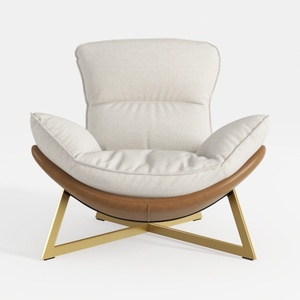
Modern Linen Leather Gold Metal Accent Armchair 3D Model


Bohemian Rattan Cane Solid Wood Drum Shape Side Table 3D Model
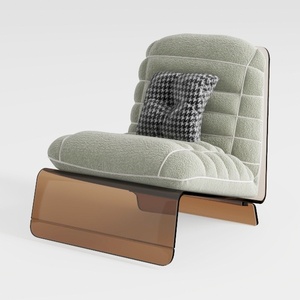
Modern Minimalist Boucle Fabric Accent Chair with Amber Acrylic Base 3D Model
Homestyler is the ideal platform for anyone looking to design their home with ease. Its user-friendly online design tool, impressive 3D rendering options, a wealth of inspiring design projects, and helpful video tutorials empower you to create stunning spaces, regardless of your experience level.
Desain sekarang Gratis
































