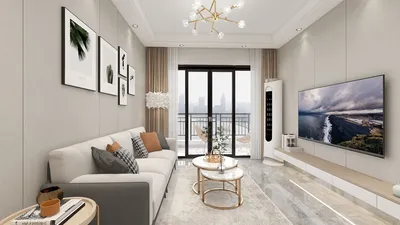


When designing hotel rooms, I prioritize comfort, character, and seamless functionality just as I do for private homes. A remarkable stay is typically shaped by multiple factors; it’s about making a series of well-considered choices—achieving tranquility when needed, providing light exactly where desired, and furniture that enhances daily interactions. Additionally, a soothing color palette keeps the environment calm but engaging. Utilizing tools like Homestyler can help visualize these layouts effectively.
The measurement of comfort is essential and should be prioritized. The WELL v2 standards highlight the importance of both acoustic privacy and thermal comfort as fundamental requirements. They recommend guidelines such as limiting background noise to ≤35 dBA in sleep areas and maintaining stable thermal conditions to minimize sleep disruption. Research by Steelcase also indicates that the comfort of the environment greatly influences the quality of experience in both hospitality and workplaces. Control over aspects like lighting and temperature is crucial for enhancing guest satisfaction and minimizing stress, framing my design perspective that rooms should promote restful conditions both physiologically and psychologically, rather than merely being aesthetically pleasing. Explore the comfort frameworks of WELL v2 for deeper insights.
Colors and lighting are crucial in shaping mood and regulating circadian rhythms. An overview from Verywell Mind on color psychology suggests that cooler neutrals and soft blues foster calmness and reduce arousal, forming the basis of my design approach. Additional accents can then provide unique character without overwhelming guests. For illumination, I apply IES guidelines for a layered lighting scheme—ambient lighting at 100–200 lux during evenings, task lighting reaching 300–500 lux at desks and bedside, and low-glare navigational lighting providing 5–30 lux for nighttime movement—allowing guests to tweak settings to their work, relaxation, or sleep needs.
Creating a Restful Atmosphere: The Sleep Zone
The bed serves as the focal point. I advocate for medium-firm supportive mattresses layered with toppers to suit diverse preferences, along with a range of pillows to choose from. Headboards should be upholstered, wall-mounted, and extend at least 15–20 cm out from the wall to absorb sound, accompanied by integrated, low-glare reading lights on separate switches. Blackout curtains should effectively minimize light leakage, with proper overlap planned during procurement to ensure functionality.
The acoustics within the room significantly influence the quality of rest. I aim for an apparent STC rating of 55+ where possible, utilizing resilient channels, sealed junctions, and comprehensive perimeter gasketing on entry doors. For interiors, textiles like wool rugs, upholstered furniture, and acoustic art panels provide visual warmth while absorbing high-frequency sounds. Mechanical systems must remain quiet (NC 25–30 in sleeping areas), and supply diffusers should direct airflow away from the head of the bed to minimize disturbances.
Efficient Workspaces Without Office Vibes
Business travelers often need to accomplish tasks quickly. I prefer a compact desk height of 28–29 inches, featuring rounded edges, paired with a supportive chair while ensuring foot space is free from cable clutter. A focused task lighting with a color temperature of 3000–3500K minimizes screen glare; all power sockets should be located above the desk and at both bedside, incorporating USB-C. Visual distinction between the working area and the bed—achieved through differing materials or area rugs—helps make the workspace feel intentional rather than an afterthought.
In layout planning, I consider the guest’s journey from entry to bed, bathroom, and window seating to minimize traffic conflicts. Using a simple room layout tool can be valuable to simulate movement for luggage, housekeeping, and ADA clearances before finalizing any millwork.
Lighting Layers Aligned with Human Rhythm
I develop three distinct lighting scenarios: Arrival, Wind-Down, and Night Safe. The Arrival scenario establishes a consistent ambient light at about 200 lux with a comforting 3000K warmth to alleviate travel fatigue. Wind-Down reduces overall lighting to around 100 lux while retaining task lighting at both the bed and desk. Night Safe activates indirect LEDs placed where baseboards or toe kicks would be at 5–10 lux, guiding guests without dazzling their eyes. Dimming controls should be clear and obvious, ensuring no uncertainties for users.
Understanding Color Psychology and Material Comfort
The color scheme commences with three soft tones—gentle stone, light gray, and a faded blue or green—then enriches the space with an accent color (like terracotta, indigo, or sand) through art pieces and textiles. Utilizing natural materials such as linen and wool while ensuring matte finishes can mitigate glare and visual distraction. I steer clear of high-contrast patterns near the bed, as they can provoke visual clutter when viewed peripherally during nighttime. It’s also important that materials not only look sumptuous but sound pleasant too: leather pulls, soft-close hardware, and felt-lined drawers enhance the acoustic serenity experienced subconsciously.
Functional Storage and Arrival Rituals
The entryway sets the room's initial impression. I include a well-organized landing area featuring an open shelf for keys, a hidden charging station, a shoe bench, and a luggage shelf 20–24 inches deep to prevent rolling. Adequate hanging space accommodates long coats without wrinkling, along with at least six anti-slip hangers. Drawers should allow full extension with interior lighting to help streamline the unpacking process, decreasing clutter and fostering a more spacious feel in the room.
Enhancing Bath Comfort: Thermal, Tactile, and Safety Considerations
For bathrooms, I engineer thermostatic mixers to prevent scalding while stabilizing temperature fluctuations. Showers are designed with a bench, a handheld shower on a slide bar, and a ledge for toiletries outside of water flow. Lighting should be evenly placed vertically at the mirror to eliminate shadows, utilizing 90+ CRI sources for accurate skin tone depiction. The flooring should incorporate textured porcelain (DCOF ≥0.42 wet) to ensure safety along with ease of cleaning, and towel hooks should be readily accessible as guests exit the shower to reduce mess.
Pursuing Sustainability Without Sacrificing Quality
Surprisingly, comfort and sustainability have a compelling synergy. Utilizing dense foam cores and long-lasting upholstery fabrics can extend replacement cycles dramatically. I often specify low-VOC finishes and GreenGuard-certified products whenever feasible, as well as LED lighting boasting 90+ CRI for efficiency and minimal heat generation. Thermal linings on window treatments can effectively enhance blackout and HVAC efficiency. It’s crucial that water-saving fixtures provide a generous experience—air-inducted aerators sustain a comfortable pressure profile even while conserving water.
Seamless Integration of Technology
Technology should enhance—not overshadow—the experience of rest. I prefer straightforward, clearly labeled controls at the bedside, occupancy sensors that default to welcoming ambient levels, and HVAC systems equipped with intuitive thermostats. High-speed Wi-Fi and casting capabilities for the TV come standard, but I ensure that all hardware remains visually discreet. Integrating wireless charging pads into the nightstand minimizes cord clutter, and all controls must operate without depending on apps; guests prioritize immediacy over trendy features.
Balancing Space and Visual Harmony
Proportionality instills a sense of tranquility. I maintain a minimum of 36 inches of clearance around the bed and 42 inches in key walkways. The heights of furniture should flow in soft rhythms—ensuring bedside tables are lower than the headboard and that lounge chair arms align with tabletop edges, thereby preserving clean sightlines. Art should hang at a centerline of 57–60 inches above the floor, while drapery panels reach just beneath the ceiling to enhance the area's perceived height. Mirrors placed opposite windows can maximize light while avoiding glare at the bed's head.
Transitioning from Boutique Comfort to Business Efficiency
The brand's identity is expressed in the details: a locally sourced handwoven throw, a thoughtfully curated mini-bar featuring regional delicacies, or a striking art piece situated near the desk. For business-oriented hotels, I focus on functional work surfaces that allow for quick clean-up; for leisure properties, I think about creating inviting relaxation zones—complete with window seats, reading nooks, and rich textiles. Both types benefit from careful zoning and clutter-free pathways, which can be swiftly assessed using an interior layout planner like Homestyler to evaluate furniture density against breathing space.
A Practical Checklist for Guest Comfort in Hotel Rooms
• Bed: supportive mattress, variety of pillows, upholstered headboard, independent lighting for reading.
• Blackout Features: track-return drapery, complete overlap, perimeter sealing.
• Acoustic Design: high-STC partitions, quiet HVAC (NC 25–30), soft furnishings.
• Lighting Setup: layered with dimming capabilities, color temperature of 3000–3500K, night navigation fixtures.
• Workspace: desk height at 28–29 in, task lighting, universal power sources at desks and bedside locations.
• Storage Solutions: open landing areas, luggage racks, well-lit drawers with sufficient hangers.
• Bath Features: thermostatic controls, even vertical lighting at mirrors, slip-resistant flooring, conveniently placed towels.
• Technological Aspects: user-friendly controls, high-speed Wi-Fi, smart-casting features, wireless charging capabilities, no app reliance.
• Material Considerations: low-VOC finishes, resilient fabrics, matte surfaces to manage glare.
Frequently Asked Questions
To maintain general comfort in the evening, aim for ambient lighting between 100–200 lux with adjustable dimming, task lights at 300–500 lux for reading or work tasks, and about 5–10 lux for nighttime navigation. A warm white temperature (approximately 3000K) maintains a soothing environment conducive to relaxation.
Strive for an apparent STC of 55+ between rooms and corridors, with background noise levels in sleep zones ideally around NC 25–30. Utilizing sealed door perimeters, resilient channels, and soft textiles can significantly enhance this without substantial visual alterations.
Neutral colors and faded blues or greens effectively decrease arousal levels and support calmness. Brighter or more intense accents should be utilized sparingly in zones away from the bed to prevent overstimulation prior to sleep.
For creating a workspace, keep the desk compact with an ergonomic chair, incorporate effective task lighting, and create a visual separation using an area rug or partial screen. Employing warm materials and discreet technology helps transform the space into a more home-like environment.
Implement independent reading lights that can be aimed; ensure universal power outlets with USB-C; introduce wireless charging if possible; utilize surfaces that accommodate devices and beverages comfortably; and place ambient lighting controls within easy reach from the bed.
Establish three lighting scenes—Arrival, Wind-Down, and Night Safe—for guest convenience transitioning from active use to relaxation and safe nighttime movements. Clear labeling coupled with dimming options is essential for usability.
Utilizing LED lighting with a high Color Rendering Index (CRI) helps lower heat and energy consumption. Applying low-VOC finishes can improve air quality, and durable materials retain their softness and acoustic performance. Thermal drapery linings enhance both blackout and HVAC performance within a space.
Implementing consistent low-contrast color palettes, aligning furniture heights for cohesive sightlines, placing mirrors across from windows (rather than directly facing the bed), and ensuring a minimum circulation clearance of 36 inches on main pathways will enhance overall comfort and design fluidity.
Incorporating soft area rugs or carpet tiles adds comfort and acoustic absorption underfoot. Opt for dense, low-pile varieties with high stain resistance and non-slip backings for safety and ease of maintenance.
Illuminate with vertical lighting on both sides of the mirror, using high-CRI bulbs for accurate color representation, while avoiding a single overhead downlight over sinks, which can create unflattering shadows.
Homestyler is your go-to online platform for transforming home design dreams into reality. Its user-friendly design tool, stunning 3D renderings, and a wealth of DIY video tutorials empower you to create beautiful spaces effortlessly. Start designing today and unleash your creativity!
Desain sekarang Gratis
































