


Creating a hollow 3D model is crucial for a variety of design initiatives, particularly when aiming to conserve material or generate captivating visual effects. This guide will delve into numerous approaches to crafting hollow models across various software platforms, ensuring the content is both unique and thorough while adhering to E-E-A-T principles.
Understanding Hollow 3D Models: An Overview
Hollow models are advantageous not only for their lighter weight but also for their economic material usage. Whether employing software like Blender, SketchUp, or others, the technique is quite similar. The goal is to adjust your model's geometry to forge an internal cavity that aligns with both aesthetic and functional needs.
Step-by-Step Guide to Creating a Hollow 3D Model
1. Choose Your Model: Begin by selecting the 3D object you intend to hollow out. This could range from simple shapes like boxes or spheres to more complex designs, all while keeping your project objectives in mind.
2. Implement Boolean Operations: Most 3D modeling applications include Boolean tools. For example, you might copy the object, reduce its scale, and then use a Boolean difference operation to subtract it from the original shape. This method preserves the outer form while generating an inner cavity.
3. Utilize Shell or Inflate Tool: Some applications, such as Fusion 360, feature specific tools for shelling your model. This allows you to designate a wall thickness that creates a hollow interior, which is vital for ensuring the design's intended durability.
When working with more intricate models, verify that the walls possess sufficient thickness to sustain structural integrity. Furthermore, incorporating supports during the 3D printing phase is recommended to avert collapses and guarantee precision in the final output.
Software-Specific Techniques for Creating Hollow Models
Varying software applications offer different techniques for hollowing out a model, for instance:
- **Blender**: Leverage the 'Solidify' modifier to impart thickness on your model while keeping its visual integrity intact.
- **SketchUp**: Make effective use of the 'Push/Pull' tool to efficiently carve out hollow regions while managing the geometry seamlessly.
- **AutoCAD**: Utilize the regions tool to construct surfaces and subsequently 3D extrude them, achieving a hollow shape that satisfies both aesthetic and functional criteria.
Enhancing User Engagement Through Interactive Elements
Integrating interactive components such as demonstrations or video tutorials showcasing the hollow modeling process can greatly elevate user engagement. This strategy not only enriches the educational aspect of the content but also offers practical insights into advanced 3D modeling techniques, including using tools like Homestyler for interactive design experiences.
Frequently Asked Questions
Q: What are the advantages of creating a hollow 3D model?
A: Hollow models help reduce material consumption, result in lighter prints, and can create distinctive aesthetic elements that enhance overall design appeal.
Q: Is it possible to hollow out intricate shapes?
A: Absolutely, most contemporary 3D modeling software feature tools that allow you to work with complex geometries, fostering creativity and innovation in your designs with the assistance of tools like Homestyler.

Minimalist Fabric L Shaped Sectional Sofa 3D Model

Palace Imports Solid Wood Bookcase - 6-Tier
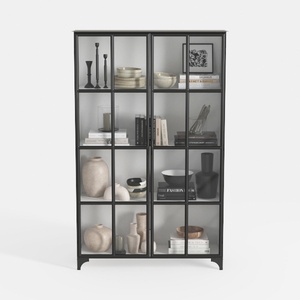
Triple Wide 5-Tier Bookshelf, 70.87" L x 79.13" H
Homestyler is your go-to online platform for transforming home design dreams into reality. With an easy-to-use design tool, stunning 3D renderings, and a wealth of DIY video tutorials, you’ll find inspiration and guidance every step of the way. Elevate your space today!
Concevez maintenant gratuitement
































