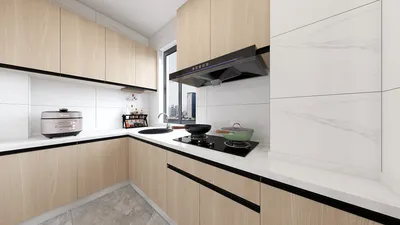


Over the past ten years, I’ve transformed many event spaces, ranging from cozy gathering rooms to versatile banquet halls. The success of Vignesh Party Hall, like any effective venue, depends on key elements such as ratios, flow, lighting, acoustics, and amenities oriented towards guest experience. The primary aim is straightforward: to create memorable experiences for attendees, streamline operations for staff, and design layouts that can effortlessly adapt from celebratory events to corporate gatherings with the help of tools like Homestyler.
The effectiveness of a space can be quantified. The WELL v2 framework recommends maintaining ambient light levels between 300 and 500 lux in common areas, while ensuring brighter task lighting for specific areas to prevent poorly lit, unappealing photos or excessive glare that could tiresome for guests. Studies on workplace environments also reveal that spaces designed with human factors in mind enhance satisfaction and productivity. Steelcase’s findings suggest that increased spatial variety and control lead to greater engagement in multifunctional areas, which plays a significant role in my approach to designing party halls for optimum mood and utility.
Acoustic comfort is another crucial component. Research from the Gensler Institute indicates that managing noise levels is a major factor affecting perceived quality in multipurpose venues. In event spaces, achieving the right balance of reverberation time (RT60) around 0.7 to 1.0 seconds ensures clarity in speech while preserving the quality of music without excessive echoes. Using suitable materials, ceiling designs, and soft finishes is essential, alongside zoning strategies to prevent sound from intruding into quieter zones such as lounges or green rooms—practices effortlessly assisted by design software like Homestyler.
Key Principles for Creating High-Performing Party Venues
• Spatial dimensions: Aim for a width-to-depth ratio near 1:1.5 to allow for flexible table configurations and clear sightlines, alongside ensuring at least 1.2 to 1.5 meters (4 to 5 feet) for main aisles and 0.9 meters (3 feet) for secondary aisles.
• Visual focus: Establish a strong focal point or stage within the design, layering ambient, accent, and decorative lighting to capture attention and establish a flow throughout the space.
• Zoning: Strategically separate areas for receiving guests, dining, staging, dancing, buffet service, and others, while implementing an additional circulation route for staff to minimize disruptions to guests.
• Ergonomic design: Maintain clearance of 450 to 500 mm between chairs and tables, with queuing areas at buffet and bar stations designed to allow for 900 to 1200 mm per lane to keep traffic flowing smoothly.
• Adaptability: Utilize modular furnishings, flexible backdrops, and variable lighting scenes to swiftly transition between different types of events such as ceremonies and celebrations.
Lighting Strategies: Creating Atmosphere, Enhancing Photography, and Ensuring Comfort
The impact of lighting on human behavior and memory is significant. Studies on color psychology indicate that warmer temperatures (2700–3000K) promote social interaction and relaxation, while neutral white (3500–4000K) aids clarity during speeches and presentations. I implement varying lighting scenes: ambient settings at approximately 300–400 lux before events, targeted accent lighting (600–800 lux) on focal areas like the stage and cake display, and soft, dimmable decorative lights to create ambiance. Effective glare management is also important—using shielded fixtures or grazing wall lights ensures guests are comfortably illuminated and visually appealing. To guide best practices, WELL v2 and the IES provide detailed recommendations for illuminance levels and glare reduction techniques; you can find relevant resources here.
WELL v2 (Lighting Framework) and IES Lighting Guidelines.
Managing Acoustics and Zoning for Sound
To regulate reverberation, I incorporate various sound-absorbing materials such as panels, fabric-covered walls, acoustic clouds in the ceiling, and heavy draperies near reflective surfaces. For venues primarily hosting speeches, an RT60 around 0.7 to 0.9 seconds is ideal, while events centered on dance may benefit from a slightly extended decay time, up to about 1.1 seconds, to sustain lively energy. Positioning subwoofers far from room corners helps minimize low-frequency issues, and designing a quiet, absorption-rich lounge area (NRC 0.8+) provides a retreat for guests needing respite. Establishing an easy sound-check routine with podium microphones, wireless handhelds, and a centralized mixing area ensures speech clarity at a minimum of 0.6 STI.
Effective Layout Scenarios
Every party hall should seamlessly convert between banquet-style, cocktail, and theater arrangements. I design a flexible layout with key elements: a stage focal point, buffet service positioned along adjacent corridors, and a bar strategically placed near but not directly at the entrance, with adaptable table grouping able to rotate 90 degrees for optimal views. For planners looking to test the flow before construction, utilizing a room layout tool can effectively illustrate aisle spacing, seating capacity, and sightlines without uncertainty: a fantastic feature in Homestyler, for example.
Furniture Arrangement, Circulation, and Human Considerations
Round tables facilitate a sense of community; rectangular options can maximize capacity. I target a spacing of 1.5 to 1.8 meters between tables in banquet setups. Dance floors should connect directly with the stage to avoid dead zones. It is strategic to place photo booths and dessert stations around secondary pathways to minimize guest traffic conflicts. Ensure ADA-compliant routes are direct, unobstructed, and well-lit—guests tend to gravitate towards the clearest routes. Back-of-house pathways should permit two carts to pass securely and connect prep areas to the buffet and bar without passing through the main event space.
Selection of Materials and Focus on Sustainability
Using high-abrasion upholstered materials (≥100,000 double rubs), stain-resistant surfaces, and modular carpet tiles significantly ease turnover. Implementing low-VOC paints and adhesives lowers odors, enhancing comfort for sensitive guests. To control acoustics without sacrificing aesthetics, select perforated wood panels backed by mineral wool; these combinations not only look sophisticated but also effectively manage mid- to high-frequency sounds. Durable, matte-finish surfaces can reduce glare in photographs, while whenever feasible, incorporating LED lights with high efficiency and a color rendering index (CRI) of 90+ helps to maintain true colors and predictable energy costs.
Guiding Guests, Establishing Brand Presence, and Elevating Atmosphere
Utilizing visual rhythms through repeated lighting patterns and material cues allows guests to navigate without overwhelming them with signage. A branded entryway with an adaptable backdrop sets the scene for photography and establishes an overall tone. Utilizing shifts in color temperature can influence behavior; warmer areas near the bar encourage socializing, while neutral lighting around stages and dining ensures clarity without being harsh. Light scent diffusion can be optional but should remain subtle to avoid conflicting with catering aromas. Valuable wall space can be reserved for projection mapping or dynamic LED displays, particularly when immersive experiences are desired.
Operational Efficiency: Fast Turnover, Effective Storage, and Staff Productivity
Design storage solutions as if playing a game of Tetris: utilizing vertical racks for foldable chairs, mobile risers, and clearly labeled containers for decorative elements—all orchestrated with cable management that integrates seamlessly. A reset time of 30 to 45 minutes between event formats is possible with adaptable furniture and pre-programmed lighting sequences. Cleaning stations should be placed near service entrances, and a modest green room equipped with a full-length mirror, garment rack, steamer, and lockable drawers is a revenue-generating amenity for performers and bridal parties alike.
Safety, Compliance, and Guest Comfort
It’s crucial to maintain unobstructed emergency exit pathways and visible signage. Emergency lighting should be independent from event scenes to avoid accidental interruptions. A comfortable indoor temperature should range between 21 and 23°C, particularly during mixed activities with several attendees; adequate HVAC diffusion paired with ceiling fans will ensure even air distribution without uncomfortable drafts. Always conduct noise level checks near neighboring properties if the venue is located in mixed-use areas; performing a simple sound level check before events will help to prevent complaints.
Photography and Enhancing Guest Experience
Designate a dedicated photography area outfitted with softboxes or diffused lighting to enhance the look of portraits. Keep the cake table away from HVAC vents or strong downlights that produce harsh shadows. Strategically place guest books and take-home favors near exits to ensure they catch the eye of departing guests.
Crucial Budget Considerations
Prioritize investments in acoustic treatments, adjustable lighting, and adaptable furniture; decorative elements can be gradually added later. A well-balanced environment increases the value of AV rentals and significantly enhances perceived quality. Opt for vendors that are amenable to maintenance agreements—this way, your lighting, curtains, and flooring will maintain their performance and aesthetics over time with proper care.
Frequently Asked Questions (FAQ)
Aim for an ambient lighting level of approximately 300 to 400 lux, with focal zones receiving 600 to 800 lux, and maintain color temperatures between 2700 and 3500K based on the desired atmosphere. Referencing WELL v2 and IES guidelines will assist in achieving comfort and visibility.
Balance sound absorption (using fabric panels, draperies, carpet tiles) with diffusion methods (like bookshelves or perforated wood) to keep RT60 within 0.7 to 1.0 seconds, ensuring clarity in speech while preserving musical warmth.
Ensure queuing lanes are between 900 to 1200 mm, placing the buffet adjacent to a service corridor, and establishing distinct entry and exit points. Incorporate a secondary circulation route to keep staff pathways separated from guest areas; this can be validated using a room layout tool.
Rectangular tables maximize space efficiency, while round tables enhance social engagement. Allow 1.5 to 1.8 meters center-to-center spacing and align tables with the stage to maintain clear views for attendees.
Position the stage centrally against the focal wall, connect the dancefloor seamlessly to prevent unused areas, and integrate accent lighting to draw attention consistently. Take care to position subwoofers away from corners to reduce sound distortion.
Incorporate high-abrasion upholstery and low-VOC finishes, aim for matte surfaces that minimize glare, and choose LED lights with a CRI of 90+ to ensure accurate colors in photographs. Perforated wood panels with acoustic backing provide both aesthetics and sound management benefits.
Maintain ambient temperatures around 21 to 23°C, provide tranquil lounge spaces with high sound absorption, and ensure ADA-compliant aisles, using seating arrangements that respect ergonomic spacing.
Utilize adaptable furniture, organized storage solutions, and preprogrammed lighting options along with dedicated service corridors for efficiency. Target a 30 to 45-minute reset between event modes to ensure smooth transitions.
Use warmer lighting (2700–3000K) in social areas like bars and lounges to promote engagement, while utilizing neutral tones (3500–4000K) in dining and presentation areas to support clarity without excessive harshness.
Regularly assess sound levels near property lines, installing vestibules or double doors to minimize sound spill, while ensuring that loud activities are situated away from adjacent walls.
Utilize a podium mic, two wireless handhelds, a compact mixer, and sound distribution speakers. Locate the technical control station close to the back of the house for optimal visibility toward the stage.
Map out functional zones, establish lighting setups, outline circulation patterns, and prototype guest capacity using an interior layout planner. Ensure that acoustic balancing and power requirements are checked before finalizing finishes.
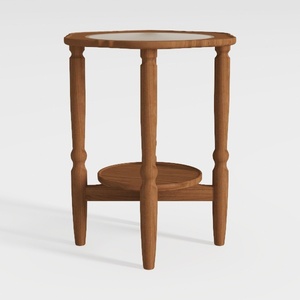

HOOBRO Small Round Side Table with Charging
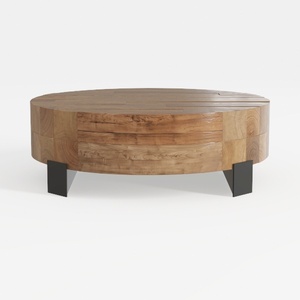
SIMPLIHOME Rayburn Drum Coffee Table - 38 inch
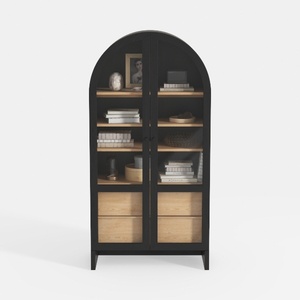
Modway Evie Arched Display Cabinet in Black Oak -
Discover the ease of home design with Homestyler! This online platform offers an intuitive design tool, stunning 3D renderings, and a wealth of inspiring design projects and DIY video tutorials. Perfect for turning your creative vision into reality, no experience needed!
Progetta ora GRATIS
































