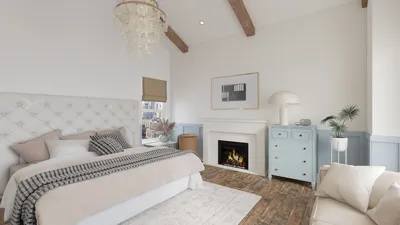


The shared housing landscape in Dubai evolves rapidly—things like rent prices, roommate rotations, and available amenities can fluctuate dramatically within a single lease term. Crafting a shared living space that remains comfortable and fosters harmony demands clear spatial guidelines, adaptable furnishings, and choices grounded in research. Research by Gensler reveals that spatial clarity and access to options contribute to enhanced satisfaction and performance in workplaces. This principle similarly applies at home, particularly in environments where multiple individuals share confined living areas. Studies from Steelcase indicate that allowing individuals control over lighting, posture, and personal space can alleviate stress and enhance the day-to-day living experience—insightful considerations for shared rooms.
Critical elements like lighting, acoustics, and ergonomics hold equal importance to storage solutions. Guidance from WELL v2 stresses the need for balanced lighting, task-specific illumination, and minimizing glare to promote circadian health. The Illuminating Engineering Society (IES) advocates for suitable illumination levels and glare reduction for tasks that require focus. In a shared bedroom context, this translates to the addition of individual reading lamps (2700–3000K), dimmer switches, and blackout solutions that cater to various sleeping patterns. Combine these lighting strategies with quiet storage options and textiles designed to absorb sound, especially essential in high-rise buildings where noise can be a concern.
Planning Shared Spaces to Minimize Conflict
Begin by analyzing the flow of movement: a single unobstructed route from the entrance to the window or wardrobe can significantly reduce accidental bumps. Ensure that each occupant has a distinct personal ‘reach zone’ measuring roughly 900 mm around their bed or desk. Before making any purchases, utilize an interior layout planner or room design tool to experiment with arrangements. Strive for proportionality—consistently place taller storage options against a single wall to maintain a tidy skyline, and unify the space with a shared element such as a rug or console table to visually merge different areas.
Achieving Privacy Without Physical Barriers
In the compact apartments of Dubai, privacy is achieved through layers rather than erecting walls. Employ open shelving between 180–200 cm high as partial dividers, ceiling-mounted curtains to designate sleeping areas from workspaces, and planters at headboard height to obstruct direct lines of sight. Opt for breathable materials like thick blackout curtains at the windows with linen or mesh partitions inside the room to allow airflow and natural light. Before settling into shared habits, establish mutual agreements like using headphones after 10 pm, adhering to quiet-close drawer rules, and implementing a five-minute morning slot for everyone to access the wardrobe.
Optimizing Lighting for Varying Sleep Patterns
To maintain harmony, incorporate layered lighting: warm ambient light (2700–3000K) during evenings, neutral task lighting (3500–4000K) for desks, and personal reading lights with glare shields at bedsides. Position dimmer switches and presets near main entry points and next to beds for effortless adjustments. Take into account window placement—west-facing rooms in Dubai commonly experience late sunlight glare, so consider adding solar shades to mitigate heat and brightness while maintaining external views.
Ergonomics for Small Workspaces
For shared desks, opt for adjustable chairs featuring lumbar support that have a seat height range of about 42–54 cm. Ensure that the tops of monitors are positioned at or just below eye level, maintaining a viewing distance of 500–700 mm. A compact sit-stand desk (at least 120 cm wide) can serve dual purposes as a vanity or study area; utilize a slim pedestal for peripheral storage to keep the workspace tidy. Provide footrests when one roommate is significantly shorter to ensure comfortable posture without the need for frequent chair adjustments.
Equitable Storage Solutions
Distribute storage according to volume rather than linear inches. Allocate equal capacity in liters for hanging clothes, folded items, and 'drop zone' spaces. Employ color coding or labeling for shared drawers. Vertical space is key in Dubai bedrooms—opt for ceiling-height wardrobes with two smaller hanging sections and overhead shelves for luggage. Include under-bed storage drawers accessible from both sides, allowing mirrored access for each person. Settle on a seasonal exchange date to manage items effectively, given Dubai's distinct peak heat and travel periods that make semi-annual resets practical.
Acoustic Comfort Without Renovation
In tiled environments, sound reverberates. To combat this, incorporate a heavy rug (≥ 2,000 g/m²), dense curtains, and cushioned headboards. Felt pinboards behind desks can absorb mid to high frequencies while also functioning as organizational tools. Keep noisier tasks, such as using hairdryers or blenders, confined to the bathroom or kitchen with the door closed; a small white noise machine can help mask corridor sounds during the night without disrupting roommates.
Utilizing Color Psychology for Shared Well-being
Stick to a neutral base (warm whites, sand, taupe), accentuated with muted blues or sage for focus and relaxation—hues commonly linked to tranquility and a reduced heart rate according to color psychology. Reserve brighter shades for minor, personal touches (like throws or artworks) that can travel with the individual. In hotter climates, cooler tones can visually “lower” the perceived temperature, a subtle advantage during peak summer.
Material Selection and Maintenance for Dubai’s Climate
Choose breathable materials such as cotton or percale for bedding, moisture-resistant laminates for closets, and powder-coated metal frames for beds, optimized to endure the dryness created by air conditioning. Emphasize removable, washable covers on chairs and ottomans. During sandy months, enclosed storage can diminish dust accumulation; place a compact entry caddy for items like keys and local garments to help keep surfaces clutter-free.
Establishing Fairness Protocols: The Roommate Charter
While design sets the framework, established rules ensure harmony. Create a concise charter outlining quiet hours (10 pm–7 am), guest policies (24-hour notice), cleaning responsibilities, and shared purchases (like tissue and detergent) documented in a simple spreadsheet. Implement a weekly “reset window” every Sunday evening—15 minutes to declutter common areas and manage waste. A corkboard placed by the entrance can keep important reminders visible without the need for phone notifications.
Small Investments That Lead to Big Returns
- Two quality task lamps with dimmers to accommodate different schedules
- Blackout roller shades combined with sheer curtains
- A narrow sit-stand desk to promote ergonomic variety
- Soft-close mechanisms for drawers and wardrobes
- Under-bed drawer systems to enhance storage
- One appropriately sized rug to anchor and quiet the space
30-Day Move-In Checklist
Week 1: Measure, visualize circulation patterns, and simulate layouts using layout design tools. Begin purchases with lighting and a rug—optimal comfort precedes larger investments.
Week 2: Install blackout and sheer curtains; agree upon the roommate charter; organize storage by individuals.
Week 3: Introduce dividers (shelves/curtains); configure dimmer scenes; install hooks behind doors.
Week 4: Address acoustics and manage cables; execute the first Sunday reset and reassess roles.
Frequently Asked Questions
How to fairly allocate a small bedroom in Dubai?
Replicate the layout: position beds on opposite walls, ensure bedside storage is identical, and maintain parity in wardrobe and under-bed storage volume. Keep taller storage on one side to preserve visual order and mitigate clutter.
What are the best lighting options for harmonizing night owls and early risers?
Utilize warm ambient lighting (2700–3000K) with dimmers, along with personal reading lamps equipped with glare shields. Don’t forget blackout shades allowing one person to rest while another works.
How can we minimize noise without renovation?
Layer various textiles: heavy rugs, lined curtains, upholstered headboards, and felt pinboards. A compact white noise device near sleeping areas can effectively mask corridor or elevator sounds.
What setup is best for dual desk users?
Use a 120 cm sit-stand desk along with individual adjustable chairs. Opt for a shared monitor mounted on an arm with personal laptop stands to facilitate neutral postures and swift transitions.
Which colors are recommended for shared rooms?
Neutral bases with calm blues or sage create a soothing atmosphere. Reserve vibrant colors for personal items so individual preferences can flourish without surface clashes.
What’s the ideal space required around beds?
Strive for a clear distance of about 900 mm per person to navigate in/out and access storage easily. For tighter areas, consider sliding wardrobe doors to preserve movement space.
What are the most cost-effective upgrades?
Focus on lighting and blackout capabilities. Incorporating two dimmable task lamps and layered window treatments can significantly enhance comfort, rest, and focus.
How to manage cleaning duties and collective expenses?
Establish a concise charter featuring a weekly cleaning rotation and a shareable spreadsheet to track shared essentials. Designate a 15-minute Sunday reset for maintaining organization.
Are there any recommendations regarding health and comfort standards?
Adopt WELL v2 guidelines for lighting balance and glare mitigation, paired with IES recommendations to set appropriate lighting levels for studying or reading—simple yet impactful strategies for compact spaces.
What storage solutions are ideal for tall wardrobes?
Install dual short-hang rails and high storage shelves for luggage. Incorporate soft-close fixtures and allocate storage by volume to ensure even distribution and avoid discontent.
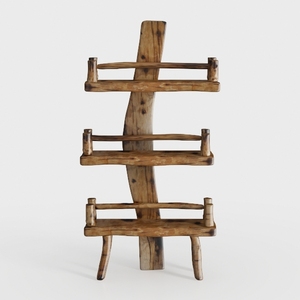
Rustic Solid Wood Free Standing Wall Shelf Decorative Display 3D Model

Modern Globe Pendant Light Mid Century Opal Glass
Homestyler is an exceptional platform for anyone looking to redesign their home. Its user-friendly online design tool, along with stunning 3D renderings, diverse design projects, and accessible video tutorials, empowers you to create beautiful spaces effortlessly. Transform your design ideas into reality with Homestyler!
立即免费设计
































