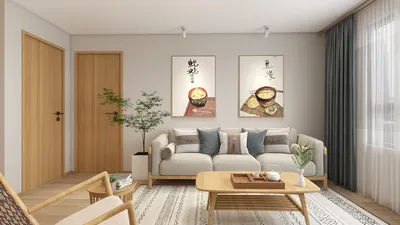


I create exquisite banquet halls that not only embody beauty but also serve as efficient environments for high-capacity events—a harmonious blend that captures the essence of celebration while managing the complexities of logistics. The concept of 'White Feather' emphasizes brightness and clarity, utilizing soft whites and feather-like textures along with a radiant color palette that enhances skin tones, photographs beautifully, and transitions effortlessly from ceremonies to festive parties. Equally important is the performance of the space; the WELL v2 Light concept highlights that providing adequate illumination with minimal glare enhances visual comfort, particularly in versatile venues that transform from dining to dancing. Moreover, research by Gensler illustrates that spaces with superior acoustics and visual comfort significantly elevate user satisfaction, a principle that is crucial for event venues where guests engage socially and move about freely.
Effective lighting and sound management are paramount for both guest enjoyment and staff efficiency. The IES recommends a task illuminance between 150 and 300 lux for dining tables, incorporating accent lighting to add texture and visual interest; excessive brightness can diminish intimacy, while insufficient lighting can hinder service accuracy. From a color perspective, insights from Verywell Mind on color psychology indicate that warm whites and soft neutrals promote comfort and sociability. To optimize spatial arrangement and guest flow, I frequently utilize room layout tools to plan table placements and circulation paths, ensuring clear sightlines and efficient service routes before finalizing finishes.
Design Vision and Narrative
'White Feather' is more than just a color palette; it represents a narrative of elegance, serenity, and upliftment. The concept is anchored by a radiant core—featuring creamy whites, textured finishes like chalky plaster, and pearl-finish lacquer—accentuated by tactile elements such as velvet seating, feather-patterned fabrics, and sheer drapes. This palette is designed to appear sophisticated during the day while illuminating beautifully at night. To avoid an overly sterile ambiance, I introduce tonal variations in off-whites like ivory or alabaster, paired with subtle metallic accents in champagne or brushed nickel applied to hardware and light fixtures. This careful balance ensures the space feels fresh and photogenic under both natural and artificial lighting, enhancing the overall experience.
Spatial Planning and Guest Flow
Successful events rely on an unseen choreography of space. I strategically designate areas for arrivals, greetings, cocktails, dining, speeches, and dancing, ensuring there is a minimum of 1.2 to 1.5 meters of circulation space around service corridors and 0.9 to 1.2 meters between table edges for seamless staff movement during busy service times. The head table or feature backdrop should maintain clear sightlines for 80% of guests; it's crucial to avoid any obstructions like columns that would disrupt key views. For social interaction, I gravitate towards oval or round tables (152-183 cm), reserving rectangular designs for head tables or family gatherings. When evaluating capacity or alternative setups (banquet, cabaret, cocktail), I rely on an interior layout planner to test variations and ensure fluid transitions throughout the event.
Lighting Strategy: Layers and Control
I develop a four-tiered lighting approach: ambient, task, accent, and decorative. Ambient lighting consists of dimmable indirect washes and low-glare downlights that establish uniformity without creating hotspots (UGR control is critical, especially near reflective surfaces). Task lighting involves adjustable pin spots for each table achieving 150-300 lux during dining, which can be softened to 75-100 lux for a more relaxed post-dessert atmosphere. Accent lighting highlights textured surfaces, drapery pleats, and floral arrangements, while decorative elements can include striking chandeliers—feather-like designs, crystal strands, or blown-glass features—that showcase the venue's unique character. I typically set color temperatures at 2700-3000K for warmth, with 3500K in foyer areas to foster alertness, transitioning to a cozier 2700K in the main hall for intimate gatherings. Utilizing scene presets (ceremony, dinner, toast, dance) enables hosts to effortlessly shift the mood without overwhelming visual complexity.
Acoustics and Sound Clarity
No elaborate floral arrangement can compensate for a space where communication falters. I aim for an RT60 (reverberation time) of 0.7 to 1.0 seconds to ensure clarity during speeches in banquet settings through a combination of absorptive and diffusive surfaces, including microperforated ceilings, fabric-wrapped wall panels, draperies with heavy interlining, and strategically installed diffusers. The flooring typically comprises oak or engineered timber adjacent to the dance floor, complemented by high-density underlayment and area rugs under lounge areas to mitigate sound reflections. Properly zoned audio distribution ensures balanced sound levels; it's important to avoid relying on a single audio source that could disrupt the room's acoustics.
Color Psychology and Materiality
The impact of white tones can vary significantly based on their undertones. To achieve a universally flattering look for diverse skin tones and camera settings, I select warm whites that incorporate hints of cream or blush. Cooler whites may create unflattering glare. To maintain the 'White Feather' aesthetic, I mix matte (like limewash and plaster) with soft-sheen (such as sateen drapes and pearl lacquer) finishes. The materials utilized must also perform well, including stain-resistant textiles and durable contract-grade velvets to ensure lasting quality. Sustainability manifests as understated luxury through elements like FSC-certified wood, low-VOC paints, and recycled-content acoustic materials, all while preserving an air of elegance.
Entrance, Foyer, and Arrival Sequence
The arrival experience sets the emotional tone for the event. I curate a thoughtfully layered foyer featuring a gentle wash on a standout wall, a light floral scent during the entrance, and a concierge console equipped with concealed power outlets for check-in access. Strategically placed mirror panels create a sense of elongation without devolving into a mere selfie corner. An intriguing floral or sculptural installation with gentle uplighting builds anticipation. Wayfinding needs to be unobtrusive: ensuring consistent typography, minimalist color schemes, and well-lit cues directs guests to essential areas like closets, restrooms, and the main hall seamlessly.
Stage, Backdrop, and Photo Moments
The culture of photography is integral to the overall event experience. I craft a modular backdrop system featuring interchangeable panels—embellished with feather motifs, sheer layers, and floral designs—that can be adapted between different segments of the event. The lighting system includes track-mounted accents that can project feather textures when desired. The stage riser is designed with concealed cable management for accessibility; side compartments conceal AV equipment while allowing technician access as needed.
Furniture and Tabletop
Seating with slim upholstered backs (45-47 cm seat height) ensures both sightlines and comfort are maintained throughout a lengthy program. Table edges should be finished with either a bullnose or eased profiles for a premium tactile experience. Linens reflect texture—using matte damask or light sateen, complemented by chargers in champagne or brushed nickel. Candlelight is layered effectively, utilizing votives placed at eye level alongside hurricane cylinders for visual scale, and balanced against pin spots to avoid over-illumination of faces. Centerpieces should maintain heights below 30-35 cm or above 60-70 cm to ensure visibility across tables.
Back-of-House and Service Efficiency
Service pathways are critical for operational success. I ensure a 1.5-1.8 meter clear width for double trolleys along the main back-of-house pathway, providing direct access to dish drop-off, plating areas, and beverage stations. Acoustic separation between kitchen service areas and the ballroom is essential; vestibules and acoustic doors should be implemented. Power and data points are strategically mapped on a 3-6 meter grid, allowing AV and catering connections anywhere without visible cabling.
Restrooms and Retreat Zones
Restrooms serve as a vital point of brand impression. I design them with soft backlighting behind mirrors (127-3000K), touch-free fixtures, and durable quartz finishes. Including a bride’s lounge or VIP room with garment racks, steamers, and soothing lighting aids in makeup touch-ups at a high color rendering index (CRI). A dedicated lactation space with lockable storage and sound masking demonstrates a commitment to hospitality for all guests.
Daylight Management
For venues featuring windows or clerestories, managing natural light is crucial. Layered sheer curtains offer a soft effect during the day, while blackout solutions must be considered for AV events. Implementing side channels and top valances minimizes light leaks during presentations. For areas facing west, low-E glazing along with exterior shading prevents glare later in the day, which can affect both photography and guest comfort.
Technology and Controls
A centralized control system manages lighting scenarios, audio zones, motorized curtains, and projection needs seamlessly. Hosts should be equipped with user-friendly interfaces that allow for scene selection without the guidance of a technician. Optimal Wi-Fi coverage with discreet access points and a dedicated vendor network ensures minimal interruptions. Strategically placed power drops in floor boxes, particularly near dance floors and head tables, help eliminate trip hazards.
Safety, Accessibility, and Codes
Accessibility can be elegantly integrated into design. Specifications for 915 mm door openings, ramp inclines of 1:12, and tactile wayfinding can be achieved without compromising aesthetics. Independent egress illumination is necessary, and non-slip finishes near bars and dance floors prevent accidents while maintaining a high-end appearance.
Budget Priorities
When budget constraints arise, my primary focus remains on soundproofing, lighting setups, and seating comfort. These are critical factors that significantly influence guests' perceptions and overall experience. While decorative options can be enhanced later, establishing a solid infrastructural foundation is essential from the outset.
Sample Layout Scenarios
For an event with 200 guests: consider 20 round tables accommodating 10 each, with a centrally positioned 7×8 meter dance floor in line with the stage; place dual bars on either side to efficiently manage queues and lounge clusters close to the foyer for smoother transitions at entry and exit. For 120 guests: a cabaret arrangement with open fronts directed towards the stage fosters stronger engagement during speeches. Both configurations should be validated using a room design visualization tool like Homestyler to optimize aisle dimensions, service paths, and sightlines prior to finalizing designs.
Trends for 2024–2025
Clients are increasingly drawn towards soft minimalism—a blend of serene, tactile luxury devoid of visual clutter. Incorporating biophilic elements such as live plants displayed in modular structures, warm dimming LED installations emulating candlelight, and adaptable backdrops that change throughout the event progression are all on the rise. Sustainability has moved into the mainstream agenda, emphasizing low-VOC paints, recycled acoustic materials, and rental designs that minimize waste while still retaining a sense of elegance.
FAQ
I aim for a luxurious environment with 150-300 lux at table height using low-glare pin spots, dimming to 75-100 lux when the dancing commences, adhering to IES recommendations for comfort and visibility.
For the main hall, I recommend a color temperature of 2700-3000K to create warmth and enhance skin tones. In pre-function areas, consider 3500K to maintain a fresh feeling before guests transition to the warmer space.
Achieving an acoustically balanced environment involves using a combination of sound-absorbing ceilings, fabric panels, interlined drapes, area rugs, and diffusers behind artistic features to target approximately 0.7-1.0 seconds RT60 for clear verbal communication and harmonious music.
Utilizing round and oval tables facilitates conversation across the table while maintaining efficient circulation. Rectangular setups work best for head tables or family gatherings requiring direct sightlines.
For an appealing visual scheme, layer warm undertones, a variety of textures (plaster, velvet, pearl lacquer), and curated metallic accents. Employ warm-toned lighting to introduce richness during evening events without glare.
My focus remains on acoustics, lighting controls, and ergonomic chairs. These elements shape guests' perceptions, energy levels, and comfort significantly more than most decorative enhancements.
A balanced approach features ample ambient lighting, targeted accents on guests and floral arrangements, a warm color temperature throughout, and adaptable backdrops. Proper control of daylight through blackout curtains ensures a cohesive look.
Proper mapping of 0.9-1.2 meter aisles between tables, 1.5-1.8 meter BOH corridors, and multiple bar stations is essential to minimize bottlenecks. A layout simulation tool like Homestyler can be effectively utilized to analyze peak service routes.
I suggest furnishing with chairs around 45-47 cm in height, leveraging generous back support, along with table edge profiles that feel premium to touch. Ensure sufficient legroom and easy access to table settings.
Certainly—specifying elements such as FSC-certified wood, low-VOC finishes, recycled acoustic materials, and energy-efficient LED lighting ensures that elegance is maintained while prioritizing sustainability.
Creating preset lighting configurations, using modular backdrops, and ensuring that furniture is equipped with glides makes for seamless adjustments. A robust power/data grid enables effortless AV changes without disrupting the event.
Implementing localized acoustic treatments above bars, employing soft finishes nearby, and establishing distinct audio zones prevents bar chatter from overwhelming dining experiences.
YITAHOME Farmhouse Shoe Cabinet with 3 Flip
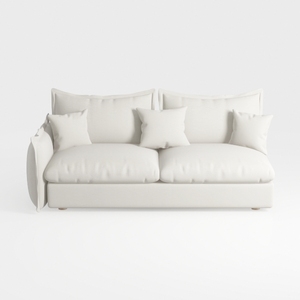
Minimalist White Fabric Loveseat Sofa with Throw Pillows 3D Model

Modern Houndstooth Fabric Black Metal Wood Top End Side Table 3D Model
Homestyler is your go-to online home design platform! With its easy-to-use design tool and stunning 3D rendering features, you can effortlessly visualize your ideas. Enjoy a wealth of design projects and inspiring video tutorials to guide your DIY journey—perfect for both beginners and seasoned decorators!
지금 무료로 디자인하세요
































