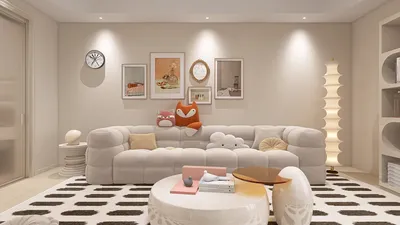


Compact wedding venues can exude a sense of grandeur when the elements of proportion, lighting, and movement are carefully orchestrated. Having crafted intimate spaces in various cities, I've found that the most effective designs begin by defining the experience: from a sophisticated entrance to a seamless ceremony, a cozy dining environment, and picture-perfect moments around every corner. Utilizing a design toolkit that includes layered lighting, principles of color psychology, engaging materials, and effective acoustics is crucial in smaller spaces, ensuring every square inch offers both beauty and purpose.
When comfort and ambiance are thoughtfully supported, scale becomes an asset rather than a limitation. The WELL v2 framework emphasizes the significant role of proper lighting and glare management in enhancing guest wellbeing and satisfaction during events; its recommendations make smaller venues feel harmonious, avoiding extremes of brightness or dimness. Furthermore, research from Steelcase indicates that environments with improved acoustic management lead to a heightened sense of comfort and reduced cognitive strain, which is essential for ceremonies that include vows and speeches needing to be delivered clearly. My experiences affirm that a balanced combination of warm ambient light (2700–3000K), targeted accent lighting, and gentle acoustic treatment proves more impactful than extravagant decorations.
Establish the Ceremony Axis
In smaller halls, a clear perspective towards the altar or mandap is essential; it anchors the room and immediately orients guests. I recommend utilizing a balanced backdrop featuring layered materials such as fabric and foliage, framed minimally to keep the couple as the focal point. Maintaining an aisle width of 5–6 feet ensures smooth processions and great photography opportunities. For versatile seating arrangements, opt for slim-profile chairs to enhance sightlines and limit visual distractions.
Creating an intimate atmosphere can be enhanced by arranging seats in a subtle fan shape around the aisle, improving both intimacy and visibility. To facilitate a quick evaluation of chair configurations and aisle dimensions, using a layout simulation tool such as Homestyler allows you to visualize the flow and identify potential bottlenecks before finalizing rental agreements or custom designs.
The Impact of Light on Mood
Lighting is a transformative tool for small venues. I typically implement three types: warm ambient lighting to soften surfaces, sharp accent lights to illuminate the couple and floral arrangements, and delicate candlelight to add depth. Keeping ambient light within the 2700–3000K range provides warmth; dimming features should allow for smooth transitions from the ceremony to the dining phase. The IES standards highlight the necessity of glare control—hiding LED sources, employing diffusers, and avoiding direct downlights ensures a comfortable experience for guests. Soft uplighting on walls enhances perceived ceiling height, while a halo backlight behind the backdrop beautifully separates the couple from the wall for stunning photographs.
Using Color Psychology to Create Intimacy
Colors deeply influence mood and perception. In small settings, opting for desaturated color schemes minimizes visual distraction; shades like ivory, sand, muted blush, and moss green harmonize with warm wood and brushed brass elements. Research from Verywell Mind connects warmer tones with feelings of comfort and invitation; I adjust warmth through textiles and florals, maintaining light hues on larger surfaces to keep the room feeling open. Accent colors should be featured in small, refined details—such as bouquets, napkins, and menu borders—to ensure a sophisticated look without overwhelming the senses.
Optimizing Spatial Ratios and Flow
Compact venues require specific spatial considerations. I typically design ceremony backdrops to occupy around one-third of the front wall to create a balanced aesthetic. It's essential to maintain walkways of at least 36-42 inches and allow for a minimum of 18 inches around perimeter seating to facilitate service circulation. If the event transitions to dining, quickly repositioning the couple’s table to the front and adjusting the aisle to serve as a food route can make a big difference. Utilizing an interior layout planner like Homestyler allows for a seamless workflow, identifying any potential blockages—like dessert stations that might obstruct doorways.
Enhancing Acoustic Comfort with Minimal Bulk
Excessive reverberation can detract from the intimate feel of an event. To prevent bulky panels in smaller spaces, I incorporate soft furnishings that serve dual purposes: pleated drapes behind the altar, upholstered seating, and textured tablecloths can significantly improve sound absorption. Steelcase's research indicates that better acoustic environments foster comfort and focus; in settings like this, that translates to clearer vows and more enjoyable dinner conversations. It’s crucial to position DJs away from corners that amplify bass and to place subwoofers close to the dance floor rather than near dining areas.
Selecting Sustainable and Tactile Materials
Materials chosen for the event should prioritize tactile qualities, durability, and reusability. Natural textiles such as linen, cotton, and jute work beautifully for drapes and table runners, while unfinished or lightly finished woods serve as excellent structural elements. Steering clear of shiny floors—opting instead for matte finishes—reduces glare and enhances photographic outcomes. Whenever possible, modular arches and pedestals should be rented to allow re-skinning for different themes and to minimize waste. Using potted plants adds life to the decor and can serve as thoughtful gifts or be replanted post-event.
Human-Centered Design in Seating and Service
Guest comfort is crucial for maintaining engagement. Opt for chairs with supportive backs and standard heights (17-19 inches). To make banquet settings more flexible, I recommend alternating table sizes—using a mix of 48-inch rounds and narrower rectangles allows for smoother movement without sacrificing capacity. Staff pathways should be kept clear, and they should only cross behind the couple when absolutely necessary. Hydration stations must be strategically placed within 30 feet of densely populated seating areas, especially as smaller venues can heat up quickly once dancing begins.
Creating Signature Moments in Small Spaces
In a compact hall, photogenic setups significantly enhance the experience. I curate three distinct areas: an inviting entrance scene with florals and a personal sign, an elegant ceremony backdrop featuring layered materials and soft lighting, and a couple’s table adorned with low floral arrangements and candle clusters. Each vignette comprises intentional arrangements of modest elements. Mirrors, when used sparingly, can magnify candlelight and add visual depth, but care should be taken not to place them behind the altar where they could cause distractions.
Managing Lighting Transitions Throughout the Event
It is essential to choreograph lighting in correlation with the event timeline. During the pre-ceremony, bright ambient lighting and cool-to-neutral task lights should guide vendor setups. For the ceremony, utilizing warm ambient light, with strong accents on the couple and a soft background helps set the mood. Dinner should feature dim ambient light, warm glow on tables, and minimal accents to reduce harsh shadows. In the dancing phase, vibrant color washes should remain below eye level to minimize glare. Adhering to the WELL v2 principles of lighting control will ensure guests have a comfortable experience that aligns with the event's flow.
Micro-Zones: Creating Defined Areas Without Walls
Compact halls thrive on micro-zones created by strategic lighting and texture rather than physical barriers. The bar can be positioned opposite the ceremony axis, utilizing darker shades and concentrated highlights to draw guests in after the vows. A photo booth, while accessible, should be situated slightly off the main path, incorporating gentle frontal lighting and a neutral background to enhance skin tones. Reversible drapery panels offer great flexibility for cultural rituals or blessing stations, allowing for quick transitions between scenes.
Visualization Tools for Effective Planning
In small venues, rapid prototyping is crucial. I frequently create mock-ups for seating arrangements, buffet layouts, and DJ locations to assess noise levels and movement efficiency. By employing a room design visualization tool such as Homestyler, I align floral arrangements, stage heights, and focal points to ensure cohesive aesthetics from entrance to altar and dining areas. Providing vendors with early access to the plans can enhance setup speed and transform the space into a thoughtfully curated environment rather than an improvised one.
Smart Budget Upgrades
When planning expenditures, it’s wise to prioritize investments in lighting controls (dimmers and zoning), followed by textiles (drapes, runners, and chair covers). Lastly, consider a singular architectural centerpiece such as an arch, halo frame, or canopy to define the ceremony space. Such upgrades provide the most significant perceived enhancements within budget constraints for smaller venues.
Frequently Asked Questions
To avoid overwhelming spaces, use wall uplighting to illuminate ceilings, favor light-matte finishes overhead, and steer clear of bulky chandeliers.
Warm white illumination in the 2700–3000K range creates an inviting atmosphere and photographs beautifully. Ensure accent lights are slightly warmer than ambient lights to establish depth.
Maintain 36-42 inches of clearance for main aisles and at least 18 inches surrounding perimeter seating. Opt for slim chairs and vary table sizes to enhance circulation flow. Validate counts with a layout tool like Homestyler prior to rentals.
Incorporate soft furnishings like pleated drapes, upholstered seating, and textured linens. Position speakers away from corners while placing subwoofers close to the dance floor to improve sound quality.
A minimalistic framework incorporating layered fabrics, greenery, and soft backlighting adds dimension. Strive for symmetry and simple patterns to maintain focus on the couple.
Create circuit zones for lighting: ambient, accent, and decorative. Lower ambient light after the ceremony, use warm tones for dinner, and apply controlled dynamic colors for dancing, avoiding direct glare at guest eye levels.
Opt for natural fibers like linen, cotton, and jute along with low-sheen woods for a tactile experience that promotes reusability. Rent modular setups and include potted plants whenever feasible.
Strategically position the bar opposite the ceremony focal area to entice guests after vows. Ensure the photo booth is nearby yet not in the circulation path, utilizing soft frontal lighting and neutral backdrops for a flattering look.
Select supportive seating with standard heights, maintain airflow, and ensure hydration stations are conveniently placed within 30 feet of the busiest seating areas.
The WELL v2 framework offers guidelines for lighting and glare consistency, while Steelcase research highlights how acoustic improvements enhance comfort—both are vital in the context of small spaces.

Natural Rattan Woven Square Ottoman 3D Model

Modern Solid Wood Brass Accent Single Drawer Coffee Table 3D Model
Arched Kitchen Pantry Cabinet with Glass Doors
Discover Homestyler, the ultimate online home design platform that empowers you to create stunning interiors effortlessly. With its user-friendly design tool, incredible 3D rendering, diverse design projects, and insightful DIY video tutorials, turning your design dreams into reality has never been easier!
立即免费设计
































