

I have crafted numerous enchanting micro-scenes for my clients’ festive displays, with the Elf on the Shelf house standing out as the most delightful of all. Consider it a miniature design venture: establish a concept, define areas, pay attention to illumination and child-friendly ergonomics, and utilize materials that can be repurposed after the holidays. The end result is a more thoughtful, appealing, and safer experience for children.
The ambiance is most magical when it fosters engagement and comfort. According to workplace research by Gensler, environments rich with sensory elements boost participation—this principle can be adapted to your mini-holiday scenes by layering lighting, colors, and textures. The WELL v2 lighting standards also suggest minimizing glare and adjusting brightness based on activity; even on a small scale, a gentle 2700–3000K illumination prevents harshness while keeping details visible for that exciting morning unveiling.
Colors evoke psychological responses. As highlighted by Verywell Mind, red signifies energy and enthusiasm, while green symbolizes balance and tranquility—ideal choices for crafting a festive theme. Use red sparingly for focal elements (like the front door or a tiny mailbox), and opt for green in larger sections (walls or beddings) to create a vibrant yet harmonious scene without overwhelming the eye.
Conceptualize First: Craft a Narrative for Your Elf
Select a storyline that informs each design choice. Is your elf a pastry chef in a gingerbread kitchen, a bookkeeper nestled in a cozy reading corner, or a ski tutor returning to a snowy lodge? A defined narrative drives your choice of materials (such as felt aprons and miniature cookbooks), accessories (like whisk tools and flour), and layout (think prep area and sleeping loft). Keep the dimensions compact—think shoebox to tissue-box scale—to maintain focus during the reveal.
Design the Layout Like a Cozy Studio Apartment
Segment the house into distinct functional areas: an entry point (featuring a welcome mat and dainty wreath), a living space (with seating and a fireplace), a kitchenette (complete with counter space and shelves), and a sleeping loft. Ensure a good flow and visibility; the elf should be easily seen from a child’s viewpoint. For added efficiency, you might use an interior design tool to draft proportions and furniture arrangements before bringing your vision to life.
Lighting: Petite Scale, Major Influence
One LED tea light can provide a warm ambient glow; embellish it with a micro-fairy string to add charm. To avoid harsh glare, reflect light off a white card, serving as an improvised reflector. Aim for a warmth of 2700–3000K to keep the colors vibrant and welcoming. If designing a reading nook, position a task light near the 'book' and shield it with a miniature lamp to prevent concentrated hotspots.
WELL v2 provides excellent recommendations to ease glare and enhance visual comfort, and these can be seamlessly translated to your scenes; a simple diffuser made from baking parchment over LEDs can soften bright spots without diminishing the comforting atmosphere.
Materials: Safe, Eco-Friendly, and Textured
Utilize cardboard, foam core, and popsicle sticks to create durable walls and floors. Felt introduces warmth to rugs and bedding, while cork serves gracefully as pinboards and sound-absorbing surfaces. Make the most of craft remnants, paper packages, and cloth offcuts to minimize waste. Hot glue provides quick adherence, while double-sided tape allows for reversible designs, aiding in storage once the holiday season wraps up.
The Psychology of Color: Festive Yet Serene
Establish a color scheme featuring one primary color (green), one accent (red), and one neutral (cream or kraft). Reserve vibrant tones for specific highlights to avoid overwhelming visuals. A hint of metallic (like brass foil or gold paint) can reflect light and add a holiday twinkle without crowding the composition.
Acoustic Comfort and Sensory Considerations
Even the smallest scenes can influence a room’s acoustics. Soft materials—such as felt, cork, and wool—help mitigate high-frequency echoes from hard surfaces. Keep the ambient music (soft tunes or music box) at a conversational level to maintain a calming atmosphere during the reveal.
Ergonomics: Design for Child-Friendliness and Morning Flow
Position the house at a height of 24–36 inches off the ground so that children can easily interact with the elf without needing to climb. Ensure stable setups and steer clear of dangling lights or delicate props on edges. Clear pathways and utilize natural morning light to enhance the magical atmosphere alongside the artificial glow.
Construction Steps: An Efficient, Trustworthy Approach
1) Base: Form a cardboard base and attach popsicle-stick slats to serve as a faux floor. 2) Walls: Secure foam core panels internally for a neat finish. 3) Openings: Incorporate a sizable window for visibility and a simple door with a candy-striped frame. 4) Roof: Design a removable lid for straightforward nightly adjustments. 5) Lighting: Position LED tea lights behind a parchment diffuser. 6) Styling: Add a miniature garland, hooks for stockings, and a tiny calendar to complete the look.
Miniature Furniture: Proportions and Flow
Ensure furniture dimensions resonate at a scale of 1:6 to 1:8 for a standard Elf on the Shelf. A matchbox transforms into a drawer; bottle caps can serve as stools; and a folded felt square can become a cushion. Repeat certain forms (like arches or stripes) to create visual rhythm, while varying heights avoids a monotonous appearance.
Themed Rooms: Engaging Ideas
Baker’s kitchen: with flour resembling baking soda, a wire whisk, and miniature recipe cards. Cozy library nook: design with micro-books, a cork pinboard, a task lamp, and a ladder leading to a loft bed. Ski chalet: include cotton snow, twig skis, warming blankets, and a cocoa corner with marshmallow beads.
Safety Assurance: Consistent Reliability
Always utilize battery-powered LEDs, avoiding open flames altogether. Ensure that wires are secured and concealed. Keep the house out of reach of pets and heaters, and inspect adhesives daily, discarding anything that appears brittle. Store spare batteries and handy tools in a designated pouch for quick solutions.
Placement Techniques
Set the scene against a plain backdrop for clear photographs. Align entryways towards the direction of approach so that children naturally discover the display. You might consider a layout simulation tool for rearranging your vignette around the home effortlessly.
Photo-Optimized Styling
Utilize a phone tripod positioned at child eye level. Capture images in the morning, when natural light harmonizes with your warm LEDs. Layer in foreground elements (like a tiny fence or garland) to create depth. Ensure props are anchored, allowing children to engage without disassembling the setup.
Routine Maintenance and Reset
Establish a weekly rotation plan: a reading nook on Monday, a cooking setup on Wednesday, and a ski-themed scene on Friday. Place each theme in a zip bag, clearly labeled for faster setup. Revive the house by swapping out fabrics and signs, keeping the structure consistent while the narrative evolves.
Frequently Asked Questions
Q1: What size should the Elf house be?
A shoebox or tissue-box size works effectively; aim for dimensions of 10–14 inches wide to ensure clarity without clutter.
Q2: What warmth level is ideal for the lighting?
Employ 2700–3000K LEDs for a cozy atmosphere; diffuse them with parchment or frosted materials to prevent glare.
Q3: Which colors feel festive, yet peaceful?
Focus on green for balance, infuse accents of red, and ground the palette with cream. Tiny metallic accents can introduce sparkle without chaos.
Q4: What materials are the safest to use?
Cardboard, foam core, felt, cork, and battery-operated LEDs are the preferred materials. Always avoid open flames and unsecured wires.
Q5: How can I ensure the elf remains visible from a child’s height?
Place the scene between 24–36 inches above the floor and orient windows or doors towards the main viewing path.
Q6: Any quick furniture ideas?
Utilize matchboxes as drawers, bottle caps for stools, popsicle sticks as benches, and folded felt squares for cushions.
Q7: What tips can minimize mess during daily scenes?
Incorporate a removable roof, use lightly taped props, and keep themed kits in labeled zip bags for swift changes.
Q8: How can I create a cohesive look in small scenes?
Define clear zones (entry, living space, sleeping area), maintain visibility, and repeat patterns or shapes for rhythm. Consider sketching the design using an interior layout planner if needed.
Q9: Is it possible to introduce sound without overstimulating?
Employ a soft music box close at hand; combine it with materials like felt and cork for a gentle sound experience.
Q10: How should I document the reveal?
Position a phone tripod at child eye level, capture images using morning light, and shoot at a low angle to achieve depth.
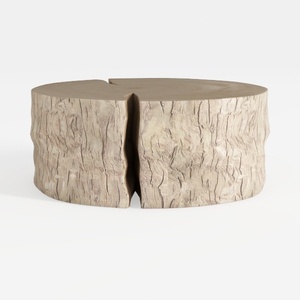
Rustic Solid Wood Split Log Coffee Table 3D Model
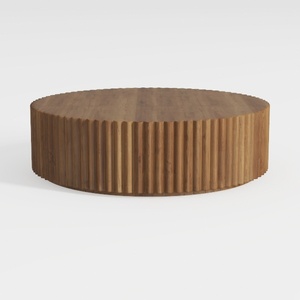
Minimalist Solid Wood Fluted Round Coffee Table 3D Model
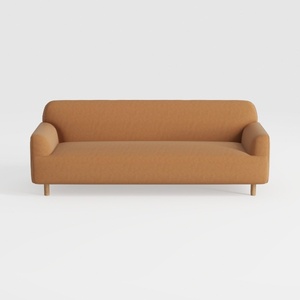
Minimalist Fabric Wooden Legs Sofa 3D Model
Discover the joy of home design with Homestyler! This user-friendly online platform offers powerful design tools, stunning 3D renderings, and a wealth of inspirational projects and video tutorials. Perfect for both beginners and seasoned designers, it brings your creative ideas to life effortlessly!
立即免费设计
































