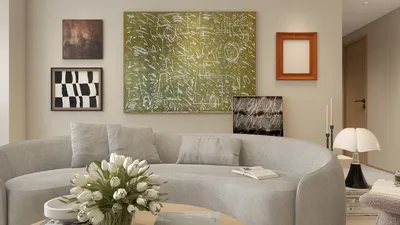


Over the past ten years, I have honed my expertise in creating effective color strategies for hospitality spaces. The most successful environments employ palettes that not only reflect the brand's identity but also prioritize guest comfort. The intention is not merely to pick trendy colors; rather, it’s about crafting a cohesive palette that facilitates relaxation, navigational ease, and subtle emotional responses—working seamlessly alongside lighting, materials, and acoustic elements. One useful tool for visualization is Homestyler, which aids in shaping these impactful designs.
The effect of color on human physiology and behavior is profound and often underappreciated by guests. Research by Steelcase indicates that environments designed for focus and rejuvenation can significantly enhance cognitive functioning and perceived well-being; in the context of hospitality, this translates into higher guest satisfaction and extended stay durations. Moreover, the WELL v2 standards link visual comfort with circadian health, emphasizing that proper lighting and glare management contribute to sleep quality—therefore, color selection must factor in light spectrum, reflectance, and contrast. For further insights, explore Steelcase’s studies on environments and well-being along with the visual comfort principles outlined in WELL v2.
Understanding color psychology reveals predictable effects: according to Verywell Mind, cool tones like soft blues and muted greens can diminish arousal and promote tranquility, while vibrant warm accents such as ochres, coral, and saffron can elevate mood and enhance the sense of hospitality. In practice, I create a balance between serene backgrounds and strategic warmer accents in social spaces. This approach guides a sophisticated interplay of saturation levels, color temperatures, and textural variety from the reception area to guest rooms.
Creating a Cohesive Color Palette for Your Hotel
Begin with a neutral foundation to ensure scale and uniformity. My preference leans towards warm greys (LRV 55–65) or soft taupes for wall finishes—these hues possess enough reflectance to enhance light distribution while preventing glare. A mid-range neutral also aids staff in maintaining cleanliness standards and conceals scuffs more effectively. Subsequently, layer colors thoughtfully: incorporate blues and soft greens in rest areas, richer tonal highlights in social lounges, and sharp, high-contrast details for wayfinding purposes. This structured approach helps to diminish visual strain and facilitates cognitive navigation.
Guest Rooms: Prioritizing Calm and Character
In guest accommodations, the sleeping area should emanate visual tranquility. I recommend making the headboard wall one to two shades deeper than the side walls to create an enveloping effect while avoiding a tunneled appearance. Soft desaturated shades (like blue-grey, eucalyptus green, or linen beige) reduce arousal levels. Opt for accent colors on movable elements—such as throws, cushions, and artwork—allowing for seamless updates. Keep trims and ceilings lighter to give an impression of increased height and avoid high-gloss finishes near the bed to minimize reflections from task lighting that contribute to perceived glare.
Color, Lighting, and Circadian Comfort
The perception of color is heavily influenced by light quality. IES guidelines for hospitality guest rooms generally recommend ambient light levels around 150–300 lux and task lighting of 400–500 lux, mindful of glare limitations; utilizing warmer color temperatures in the evening (2700–3000K) alongside adjustable brightness allows guests to wind down effectively. A deep navy may appear flat under cool lighting, while a muted terracotta can radiate warmth under warm LEDs. Implement dimmable layers, including indirect coves for ambient light, wall sconces for soft illumination near beds, and bedside task lights with proper shielding. Ensure reflective surfaces remain matte to manage glare and enhance comfort.
Behavioral Zones: Colors That Indicate Without Signage
Colors can guide guest behavior. Soft neutral corridors help minimize overstimulation; brighter, cheerful hues near elevators encourage quick navigation. In lobbies, darker accent walls can anchor seating arrangements and subtly slow the pace of movement. Restaurants benefit from warmer mid-tones that foster sociability and enhance appetite perception. In suite layouts, separating work areas from leisure spaces with contrasting colors—such as cooler, desaturated shades for workspaces versus warmer tones for relaxing alcoves—is effective. To reinforce these behavioral cues, consider using a room layout tool like Homestyler to visualize color zoning alongside furniture and circulation patterns.
Material Combinations: Texture, Sheen, and Maintainability
While color plays a significant role, texture and sheen are equally important. Matte or eggshell finishes are ideal for sleeping quarters to limit glare. Pair cooler color schemes with natural textures—such as linen weaves and matte wood—to avoid clinical feelings. Conversely, warm palettes work well with brushed metal accents, wool bouclé fabrics, and tactile wall coverings to provide depth. In moisture-prone areas like bathrooms, the color scheme should be complemented by moisture-resistant materials and tiles that minimize glare, ensuring the lighting remains soft and flattering. Choosing wipeable, mid-tone finishes for high-contact surfaces prevents visible marks and dust.
Brand Representation Without Overwhelm
Hotel brands often push for the widespread use of signature colors. I recommend translating these brand hues into more subdued, livable tones by desaturating them by 20-40% and adjusting the undertones to align with local lighting conditions. Reserve the pure brand colors for impactful accents—such as artwork frames, upholstery detailing, or minibar integrations. This method safeguards guest comfort while ensuring brand identity is still evident during social interactions and in photography.
Considering Regional Light and Seasonal Changes
In areas with cooler daylight, utilizing warm neutrals helps prevent spaces from appearing stark. In tropical environments, cooler colors combined with light woods keep interiors feeling fresh. The orientation of windows also influences color choices: south-facing rooms may accommodate deeper wall tones, while those facing north benefit from higher light reflectance to counteract reduced sunlight. Seasonal modifications can be achieved through textiles—such as swapping out lighter-colored throws and cushions in summer for deeper tones like teal and cinnamon in winter.
Acoustic Comfort and Visual Serenity
While color cannot mitigate sound, it can enhance acoustic comfort. I opt for darker, textured wall coverings behind televisions to visually absorb their presence and combine color with acoustic panels in complementary shades, making sound treatment an integral part of the aesthetic. Softer color palettes complemented by layered textures serve to lessen the perceived chaos of any remaining noise, making it less intrusive to guests.
Accessibility and Contrast Ratios
High-contrast details significantly increase safety. Door frames, switches, and bathroom thresholds should contrast by at least 30% with neighboring surfaces to assist guests with low vision. Ensure flooring transitions are easy to identify; a slightly darker border tone around rugs can ward off trip hazards. In bathrooms, opt for light walls complemented by medium-toned flooring to ensure visibility of water spills and facilitate cleaning for the staff.
Refresh Cycles and Sustainability Practices
A well-thought-out color strategy can minimize maintenance efforts and waste. It’s advisable to choose durable, low-VOC paints paired with modular accent pieces that enable quick updates without necessitating a complete remaking of surfaces. When selecting fabrics, prioritize stain-resistant weaves in mid-tone palettes that are less prone to showing wear and that fade gracefully over time. This approach not only extends the lifecycle of materials but also keeps the guest experience feeling fresh and inviting.
Recommended Practical Color Palettes
- Tranquil guest room: soft blue-grey walls (LRV ~60), linen white ceiling, eucalyptus green textiles, and walnut accents.
- Inviting social lounge: taupe walls (LRV ~50), warm terracotta highlights, brass details, and olive green upholstery.
- Functional workspace in suites: desaturated sage wall, matte black task lighting, and stone-grey desk finishes.
Frequently Asked Questions (FAQ)
To promote restful sleep, incorporate desaturated cool hues—like soft blues and greens—paired with warm, dimmable lighting in the evening (around 2700-3000K). Avoid glossy finishes near the bed to minimize glare and enhance comfort.
Provide a multi-layered lighting approach, dimming ambient light to approximately 50-100 lux during wind-down periods while using localized task lights with shielding to maintain a warm CCT and prevent circadian disruption, in line with WELL v2 visual comfort guidelines.
Yes, but use them judiciously. Desaturate the brand colors for accents like throws, artwork, and stitching to maintain a serene atmosphere in the sleeping zone while not overshadowing brand visibility.
For sleeping areas, opt for eggshell or matte finishes to regulate glare; use scrubbable options in corridors and near luggage zones to effectively resist wear and minimize evidence of streaking.
Employ consistent accent tones around elevator areas, staircases, and junction points; ensure that corridor palettes remain subtle so that wayfinding colors stand out clearly.
Research highlighted by Verywell Mind indicates that cooler colors are linked to relaxation, while findings from Steelcase reveal that supportive environments can enhance well-being and performance, emphasizing the need to align palettes with appropriate lighting to maximize these benefits.
Light Reflectance Value (LRV) determines how much light a surface can reflect. Walls with mid-to-light tones (LRV 55-65) help distribute light evenly, reducing shadows and maintaining comfortable illumination levels without causing glare.
In hotter climates with bright conditions, cooler palettes and light woods are advantageous, while warmer neutrals can help soften cool light in northern environments. Adjust saturation according to natural light intensity.
While colors alone cannot dampen sound levels, they can contribute to visual calm. Employ cohesive, softer palettes and textured surfaces that visually absorb complexity and pair these with appropriate acoustic treatments.
Utilizing light walls alongside mid-tone, slip-resistant flooring can enhance visibility of water while reducing glare from mirrors and fixtures. Maintain clear contrast at transitional points.
Plan for textile and accessory updates every 18-24 months while keeping walls and large furniture neutral to minimize waste and uphold brand consistency.
Utilize an interior layout planner like Homestyler to explore color zoning relative to furniture and guest circulation, allowing for iterations prior to finalizing design choices.
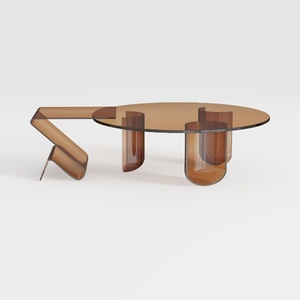
Round Coffee Table Modern Glass Coffee Table with
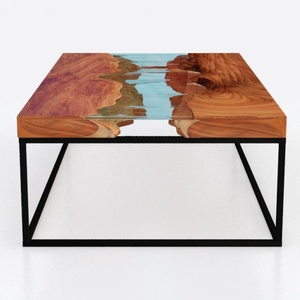
Custom 3D Waves Ocean Dining Table, Blue Ocean
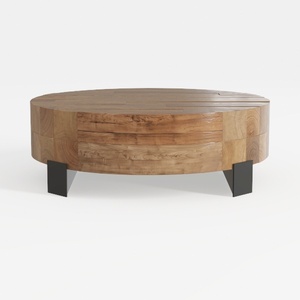

SIMPLIHOME Rayburn Drum Coffee Table - 38 inch
Homestyler is an exceptional online home design platform perfect for all skill levels. With its easy-to-use design tool, stunning 3D renderings, diverse design projects, and helpful video tutorials, you can effortlessly create and visualize your dream spaces. Let your creativity shine!
تصميم الآن مجانا
































