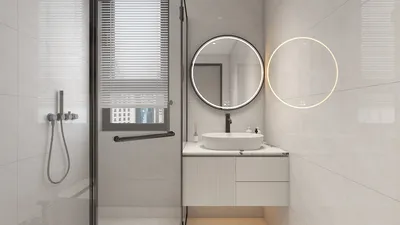


Soft lighting, commonly referred to as "yellow light," establishes a welcoming and human-centric atmosphere within your home. Positioned within the 2700–3000K color temperature spectrum, it promotes relaxation, social interaction, and visual comfort. Research backs the positive effects of this lighting on mood and health: the WELL Building Standard emphasizes the importance of circadian-friendly lighting, focusing on the management of spectrum, intensity, and timing to enhance sleep quality and wakefulness during the day. WELL v2 advises utilizing higher equivalent melanopic lux during the day while opting for warmer, subdued light in the evenings to support circadian rhythms. According to IES lighting guidelines, typical illuminance for living areas falls between 100 and 300 lux for general lighting, with task lighting reaching up to 300-500 lux for reading purposes. Translating these principles to real homes, achieving coziness doesn’t imply darkness; it involves a combination of different lighting layers. Using a design tool like Homestyler can help you plan these layers effectively.
The concept of warmth extends beyond just physical sensations; it also resonates on a psychological level. According to insights from Verywell Mind on color psychology, warm tones evoke feelings of comfort and sociability, seamlessly aligning with how lower color temperature lighting promotes tranquility and connection within spaces. Research by Steelcase highlights the correlation between physical environments, wellbeing, and performance, stressing the significance of having control over one’s surroundings. Options like dimmers, adjustable bulbs, and multi-layered fixtures provide that essential control, leading to reduced stress levels. In my experience, when clients are empowered to adjust brightness and warmth for occasions like movie nights or family dinners, their satisfaction notably increases while complaints about eye strain decrease.
Decoding “Yellow Light”: Color Temperature, CRI, and Duv
Understanding "yellow light" transcends the notion of using literal yellow bulbs; it pertains to warmer white light that typically ranges from 2200 to 3000K. Light below 2700K presents more amber candlelight hues, perfect for creating intimate moods in bedrooms and dining areas. At approximately 3000K, the light retains warmth while enhancing color clarity. Ensure a Color Rendering Index (CRI) of ≥90 to accurately showcase skin tones, artworks, and finishes. Monitor Duv (distance from the blackbody curve) if specified by your bulbs: a positive Duv may impart a slight green tint, whereas a negative Duv can appear rosy. For creating inviting spaces, aiming for a slightly negative-to-neutral Duv will yield more pleasing aesthetics on skin and wood surfaces.
Comfort and Function: Lux Levels
Comfort is built upon layered lighting. My design strategy encompasses three essential tiers: ambient (100–300 lux), task (300–500 lux), and accent (150–300 lux for surfaces or objects). For reading spaces, I target 300–500 lux at the reading surface with focused beams to minimize spill and glare. For living rooms, achieving an overall illumination of 150–250 lux feels inviting, while strategically brightening an art wall to approximately 200–300 lux adds depth. In kitchens, brighter task lighting is necessary; although this guide emphasizes coziness, remember that warm white task strips at 3000K can deliver 500–700 lux on countertops without appearing harsh.
Visual Comfort, Glare, and Beam Angles
Glare detracts from coziness. I opt for fixtures designed with UGR-friendly optics, diffusers, or baffles. For reading lamps, a beam angle of 30–40° with a cutoff shield is effective. Recessed fixtures should be designed to prevent hot spots—utilizing wider beams (60–90°) for ambient lighting and wall-wash optics can soften vertical brightness. Maintaining balanced luminance ratios is crucial: aim for a 1:3:10 ratio between task lighting, immediate surroundings, and background lighting to prevent harsh contrasts.
Color Psychology: Transforming Warmth into Behavior
Warm light promotes calm and social interaction. Use it to enhance daily routines: dim lighting to 30% after 9 p.m. signals the household to unwind. In dining spaces, a temperature of 2700K complements wooden surfaces and food hues, subtly prolonging mealtime conversations. For home offices that also function as guest rooms, maintain a 3500–4000K ambiance during the day for productivity, then lower it to 2700K in the evening to indicate off-hours. This adjustment aligns with WELL recommendations regarding daylight and circadian patterns while respecting the emotional rhythm of a home.
Types of Fixtures and Their Combinations
- Ambient ceiling lighting: employ flush or semi-flush fixtures with diffusers at 2700–3000K for balanced base illumination.
- Table and floor lamps: select fabric shades to absorb light and enhance warmth; these lamps should provide great dimming capabilities for evening use.
- Wall sconces: design with indirect or up/down lighting to softly illuminate walls and ceilings, creating a perception of greater space.
- LED strips: ideal for under-cabinet and cove lighting, delivering gentle gradients; opt for high CRI strips (≥90) for best results.
- Pendant lights: implement dim-to-warm drivers over dining tables to replicate the ambiance of candlelight (down to ~2200K).
Materials, Finishes, and the Role of Warm Light
Warm light enhances textures beautifully. Materials like oak, walnut, rattan, and boucle gain vibrancy under 2700K, while using matte finishes helps in reducing glare and hot spots. If your space experiences cool, north-facing light, integrating warmer fabrics and brushed brass accents will prevent the color palette from appearing dull. On glossy surfaces, balancing with diffused light sources will minimize stark reflections. From a sustainability perspective, prioritize LED options that come with replaceable drivers and reported lumen maintenance (L70 ≥50,000 hours) alongside low-flicker power supplies.
Designing Layouts for Cozy Layers
I approach with a straightforward layout plan that includes ambient coverage, task lighting hotspots, and accent focal points. Position reading lamps within easy reach of seating, ensure pendants are centered yet dimmable, and install wall sconces at eye level (around 60–66 inches high) to avoid glare. For densely furnished living areas, use a room planning tool such as Homestyler to virtually experiment with lamp placements, helping to eliminate cord clutter and dark corners before you begin physically installing any fixtures.
controls and Dimming Techniques for Evening Routines
Every frequently used lighting circuit should have a dimmer installed. For plug-in lamps, consider utilizing smart plugs or inline dimmers to enhance flexibility. Setting scene presets—like Movie, Read, and Dinner—can promote consistent usage. Most households benefit from a straightforward lighting schedule: 100% at 3000K early in the evening, reducing to 50% at 2700K after 8 p.m., and 30% at 2200–2400K post-9 p.m. Keeping bedroom lighting on separate circuits from living areas prevents harsh light spills when turning on hall lights late at night.
The Relationship Between Acoustics and Light
There's a complementary effect between sound and light. Soft, warm lighting alone cannot remedy excessive acoustics; thus, adding rugs, curtains, and acoustic panels where necessary is essential. Indirect lighting on textured walls deepens the visual interest, and acoustic felt pendants serve dual purposes as sound absorbers while diffusing light.
Common Mistakes (and Their Solutions)
- Relying solely on one bright overhead fixture: incorporate two to three layering lamps for improved illumination.
- Inconsistent color temperatures: aim to standardize spaces to 2700–3000K for uniformity.
- Utilizing blue-heavy bulbs at night: replace them with dim-to-warm or 2200–2400K options to create inviting evening environments.
- Employing bare, high-gloss bulbs: incorporate shades, diffusers, or lensing to minimize glare.
- Overlooking the importance of vertical lighting: softly wash a bookshelf or window treatments to introduce calming depth.
Guidelines for Warm Lighting by Room
- Living room: aim for 150–250 lux at 2700–3000K for ambient light; reading lamp at 300–500 lux; accent wall at 200–300 lux.
- Bedroom: maintain ambient lighting at 75–150 lux; bedside lamps with 2200–2700K; low-level night lights that aren’t glaring at <1 cd/m².
- Dining area: use pendant dim-to-warm lighting (2200–3000K), hanging at 28–34 inches above the table; add wall sconces for gentle vertical light.
- Entryway/hall: achieve 150–200 lux; install indirect sconces to avoid glare in reflective surfaces like mirrors or glossy floors.
For structured guidance, refer to WELL v2 lighting concepts and IES recommended practices. These documents address circadian support, illuminance benchmarks, glare management, and quality measures, aiding in striking a balance between ambiance, health, and safety.
Frequently Asked Questions
Q1. What’s the ideal color temperature for a cozy living area?
A1. Aim for 2700–3000K for general lighting to retain warmth without distorting colors. Consider 2200–2400K dim-to-warm options for late nights and movie screenings.
Q2. How bright should a reading nook be?
A2. Aim for 300–500 lux at the reading surface, utilizing a shaded task lamp with a beam angle of 30–40° to lessen glare while keeping the room softly lit.
Q3. Can warm light achieve a high CRI?
A3. Absolutely. Opt for LEDs with a CRI of ≥90 and good R9 values to ensure the accurate representation of reds and skin tones; warmth can coexist with color fidelity.
Q4. Is warm light suitable for kitchens?
A4. Certainly. Employ 3000K for task lighting and downlights to ensure clarity for food preparation while maintaining an inviting appearance. Aim for 500–700 lux on countertops for safety.
Q5. How can I mitigate glare when using warm bulbs?
A5. Favor using diffusers, lamp shades, and baffled trims. Position fixtures away from direct sightlines and maintain balanced luminance ratios to ensure tasks aren't excessively bright compared to their surroundings.
Q6. What adjustments should I make for evening light to support sleep?
A6. Dim lights post-sunset, transition to 2200–2700K, and avoid harsh overhead light late at night, as suggested by WELL recommendations for protecting circadian rhythms.
Q7. Which is better for ambiance—candles or 2200K bulbs?
A7. Candles create a unique sparkle but can produce soot and uneven light. 2200K dim-to-warm LEDs replicate that warm glow while offering safe and precise dimming.
Q8. Do wall colors change under warm lighting?
A8. Yes, warm light amplifies the beauty of beiges, terracottas, and woods, potentially dulling certain cool blues. Test paint samples at night with your actual bulbs for accurate results.
Q9. How many layered lighting sources should a small living room have?
A9. Aim for a minimum of three: a diffused ceiling or cove light for ambient, a table or floor lamp for tasks, and a wall-wash or art light for added dimension.
Q10. What comprises a starter lighting kit for renters?
A10. A basic setup could include swappable 2700–3000K bulbs, two plug-in dimmers, a fabric shade floor lamp, and a smart plug for programming scenes. No hardwiring is needed.
Q11. Does warm light consume more energy?
A11. Not necessarily; energy consumption is based on wattage and efficiency rather than color temperature. Choose highly efficient LEDs with a high lumen-to-watt ratio and dim when possible.
Q12. How do I integrate warm lighting with daylight?
A12. During daylight hours, allow natural light to take precedence and keep artificial lighting off or set at 3000–3500K. As dusk approaches, switch to 2700K and lower intensity to preserve a natural circadian flow.
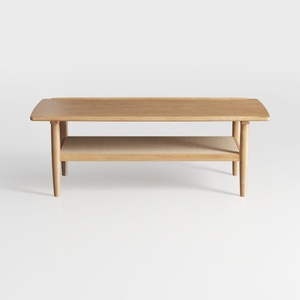
Minimalist Solid Oak Two Tiered Coffee Table 3D Model
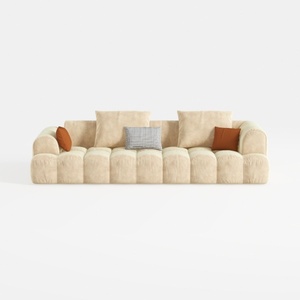

Minimalist Fabric Large Sofa With Decorative Throw Pillows 3D Model
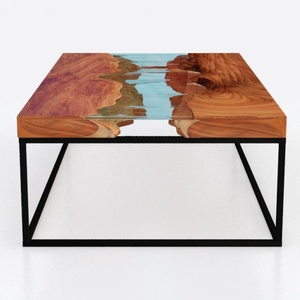
Custom 3D Waves Ocean Dining Table, Blue Ocean
Looking to transform your space effortlessly? Homestyler is your go-to online design platform! With a user-friendly design tool, stunning 3D renderings, diverse design projects, and helpful DIY video tutorials, bringing your interior vision to life has never been easier. Explore your creativity today!
Zaprojektuj teraz za darmo
































