

Creating snow rooms requires a thoughtful balance between visual chill and physical warmth. In my design approach, I begin by establishing a sensory framework that emphasizes calming visuals, soft acoustics, and layered comforts. Research illustrates that our environments significantly impact our feelings and productivity. A study by Gensler reveals that spaces conducive to focus and recovery enhance perceived performance; thus, environments that minimize noise and visual distractions can improve productivity. Furthermore, WELL v2 underscores the importance of thermal, acoustic, and lighting factors in fostering occupant well-being; when these elements align, they can boost mood and sleep quality, particularly during the dreary winter months.
The role of lighting is crucial in setting the ambiance. Following IES guidelines, task zones should ideally have lighting levels of 300–500 lux, while ambient areas can maintain a more relaxed level of 100–300 lux, depending on the tasks and the visual needs that come with aging. Utilizing tunable white light between 2700–3500K during the evening can mitigate disruptions to our circadian rhythm, while daylight hours benefit from a 4000–5000K temperature to enhance alertness. According to WELL v2, ensuring circadian-effective lighting is essential for vitality throughout the day. It's important to manage glare through diffused lighting layers, such as textured shades or wall washing techniques, to maintain the snow-inspired tranquility.
Establish a Purpose: A Space for Winter Activities
Clarifying the intended uses of your winter space can greatly enhance its functionality: envision slow mornings, cozy reading sessions, stretching routines, hot tea while gazing outside, or enjoying family movies against a snowy backdrop. Start by identifying the key activities that will take place within the room and design the layout around these priorities. For tighter or multifunctional spaces, I often employ a layout visualization tool, such as an interior planner, to simulate circulation paths and sightlines to assess furniture arrangements and lighting before making any purchases.
layout simulation tool
Lighting That Imitates Winter Daylight (Without the Gloom)
- Daytime mode: Employ 4000K–5000K indirect ambient light at 200–350 lux, combined with a reading nook that benefits from a task pocket of 300–500 lux. Asymmetrical wall-washing techniques can help reduce contrast against bright windows and any dazzling snow reflections.
- Evening mode: Opt for 2700K–3000K light at 50–150 lux through layers such as floor lamps, cove lighting, and candle-like fixtures to signal wind-down time effectively.
- Glare control: Implement frosted diffusers, fabric drum shades, microprismatic lenses, and low-UGR downlights to keep eye strain at bay. Align fixtures parallel to windows to avoid double-glare from snow reflections.
The Psychology of Color: Cool Visuals, Warm Atmosphere
Snow rooms extend beyond stark whites. I prefer a soft, desaturated base with warm whites carrying hues of gray or a mushroom tint, complemented by cool winter-inspired accents. According to insights from Verywell Mind, blue conveys calmness and reliability; I use blue-gray sparingly in textiles or on a feature wall to provide stability to the overall color palette. This is balanced with tactile warmth from camel, taupe, and nutmeg tones in throws and upholstery, which helped one lakeside project retain warmth while respecting the snowy landscape.
Materials That Invite Touch and Feel Cozy
- Flooring: Consider options like engineered oak, cork, or low-pile wool rugs for a warm underfoot experience; a dense rug pad can further enhance sound absorption.
- Upholstery: Utilize materials such as wool blends, bouclé, mohair, or heavy cotton twill which are cozy and resistant to pilling. Avoid shiny synthetics that might create irritating glare.
- Finishes: Opt for matte or eggshell textures on walls and satin on trims to introduce subtle contrast. Using limewash or mineral paint adds depth without cluttering the visual space.
- Sustainability: Whenever possible, select FSC-certified wooden products and Greenguard Gold upholstery; utilizing dense natural fibers not only age well but also mitigate microplastic shedding.
Creating Acoustic Comfort: Quiet as New Fallen Snow
Just as snow absorbs sound outdoors, we can emulate this effect inside. Combine soft textures like upholstery, double fullness drapery, and wool rugs with strategically placed acoustic panels in larger spaces. Aim for an RT60 ratio of approximately 0.4–0.6 seconds in smaller lounges to maintain intimate conversations. Leveraging bookcases as sound diffusers, and varying shelf depths can also break up echo patterns.
Thermal Solutions Beyond Just the Thermostat
- Layer window coverings: Combining sheer and lined drapery or utilizing cellular shades can greatly reduce heat loss while still allowing views of the falling snow outside.
- Radiant features: Incorporate heated rug pads or low-watt radiant baseboards around seating areas, adding warmth without necessitating excessive heating throughout the room.
- Zoning: Create a compact, closable nook for reading that decreases the overall heat load necessary while promoting consistent comfort levels.
Furniture Arrangement: Focus on Warmth and Views
Position seating to capture the scenic winter landscape first, then follow with warmth elements such as lighting, a basket for throws, and a side table perfect for tea. Maintain a clear circulation path of 30–36 inches and ensure 16–18 inches between the sofa edge and coffee table for ergonomic comfort. Angle lounge chairs approximately 15–20 degrees towards the window to minimize glare while framing the winter view. In multifunctional areas, consider floating a loveseat to create an inviting conversation space, pairing it with a low console for storage and cable management. When evaluating various arrangements, I prefer using a room design visualization tool to optimize sightlines, distances, and lamp placements.
interior layout planner
Layered Lighting: Adhering to the Three-Plane Principle
- Ambient (ceiling/cove): Establish a consistent, dimmable base to eliminate dark corners that may chillingly enhance the room's coldness.
- Task (reading, crafting): Opt for opaque-shaded lamps boasting a CRI of 90+; position them slightly behind and to the side of the seated individual.
- Accent (firelight simulating): Consider LED candles, backlit shelves, and low-Kelvin strips beneath mantels for a cozy flicker effect without actual flames.
Winter-Themed Styling Techniques
- First incorporate textures: Layer knits, felted wools, and soft leathers; a single luxurious throw can add comfort but limit it to one to reduce maintenance requirements.
- Bring in nature: Integrate birch branches, pinecones, and stone bowls to reflect the winter landscape without overwhelming the visual experience.
- Art selection: Choose monochrome photographs depicting winter scenes or abstract pieces in slate and chalk tones that harmonize with the serene environment.
Managing Light, Privacy, and Reflections
Employ light-colored, textured sheers to soften the low winter sun, reflecting a warm glow deeper into the space. If you have a scenic snow view, keep mullions uncluttered and select low-reflectance finishes on interior surfaces opposite the window to minimize reflections at night.
Ergonomics and Human Factors in Design
- Seat height should range from 16–18 inches, with lumbar support provided by repositionable cushions.
- Arm heights should ideally be at 24–26 inches to prevent blankets from sliding off; side tables should be either level with or slightly below the arm height to ensure relaxed shoulders.
- For convenience, position outlets and chargers within a reach of 20–24 inches from the primary seating area; conceal cables in consoles or channel them under rugs.
Integrating Smart Controls for Seasonal Transitions
Establish programmed scenes: ‘Morning Frost’ for cooler light and open shades, ‘Snowed-In’ for warm, low lighting with a calming acoustic playlist, and ‘Evening Glow’ for dim amber lighting reminiscent of a flickering fireplace. Implementing sensors for gradual lighting adjustment at sunset can help transition gently into evening ambiance.
Small Space Transformations for Snow Rooms
For those in apartments, consider converting a bay window or corner nook into a cozy winter retreat. A bench measuring 28–30 inches in depth, equipped with under-seat storage, a plug-in lamp, and layered cushions, can transform an unused area. Keep clearance by selecting a slim 12–14 inch side table.
Maintenance Tips for Longevity of Your Space
Opt for removable cushion covers, washable wool throws, and stain-resistant rugs. Maintain a seasonal care kit including a lint brush, fabric shaver, and wood treatment oils for quick upkeep. Stow away summer textiles in breathable cotton bags to cycle through seasonal textures.
My Design Process Sequence
1) Define intended rituals and acoustic requirements. 2) Map out lighting conditions (daylight versus evening). 3) Select an appropriate color palette and textures. 4) Verify furniture ergonomics and circulation paths. 5) Layer in controls for lighting. 6) Introduce seasonal decor with mindfulness. This systematic approach prioritizes sensory comfort and behavioral considerations throughout the design process.
References for Further Standards
To delve deeper into evidence-based standards surrounding lighting quality and circadian support, refer to the recommended practices from IES and the WELL v2 concepts regarding lighting and comfort. For understanding how restorative environments impact performance, Gensler’s research library presents a wealth of knowledge.
Frequently Asked Questions
Aim for ambient lighting between 200–350 lux, with 300–500 lux for specific task areas like reading nooks to blend alertness with a softness that reduces glare from snow.
Utilize a 2700–3000K color temperature, which conveys a warm, candle-like glow that promotes relaxation and pairs beautifully with wool and wood materials.
To control reflections from snow, use textured sheers, matte finishes, and ensure lights remain parallel to windows while choosing lamps with effective diffusers or shades, avoiding shiny surfaces.
Select tactile materials such as wool blends, bouclé, cork, and matte wood, as they contribute warmth and sound absorption while staying thermally comfortable.
Increase acoustic comfort by utilizing double-layered drapery (sheer plus lined), employing dense rug pads, and creating a staggered bookshelf wall for sound diffusion. Higher backed upholstered seating also aids in sound management.
Maintain a main path clearance of 30–36 inches and ensure a distance of 16–18 inches between your sofa and coffee table for comfort. Side tables should conveniently sit at about arm height or slightly lower for ease of use.
Absolutely, by constructing a bench of 28–30 inches in depth, layering cushions, installing a plug-in sconce, and incorporating a small side table, you can create a serene nook within a minimal footprint.
Program scenes tailored to your routine using tunable and dimmable lighting: brighter, cooler light for daytime activities; warmer, lower light for the evening. Implement sunset-triggered settings for a smooth transition.
Create a warm base with whites and mushrooms, accented by subtle blue-grays in textiles and artworks, counterbalanced with warm-toned throws in camel or taupe shades for added coziness.
Incorporate sheer drapery for light diffusion, layered with lined drapes or cellular shades for improved thermal resistance, enabling you to manage both privacy and heat loss while retaining desirable views.

Minimalist Tan Leather L-Shaped Sectional Sofa 3D Model
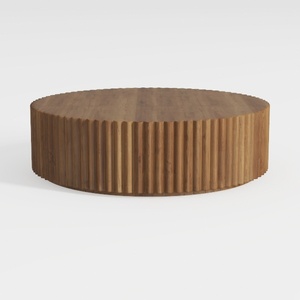
Minimalist Solid Wood Fluted Round Coffee Table 3D Model


Modern Marble Brass Solid Wood Nesting Coffee Tables 3D Model
Looking to transform your space? Homestyler is your go-to online home design platform! With its user-friendly design tool, stunning 3D renderings, inspiring design projects, and helpful DIY video tutorials, you can effortlessly create your dream home without the need for prior experience. Start designing today!
Concevez maintenant gratuitement
































