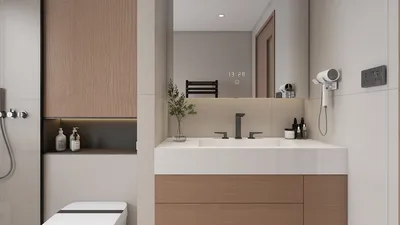


As a professional designer specializing in small-space environments, I find that the essential principles of human interior design translate remarkably well to creating cozy indoor dog houses for small breeds. The aim is to craft a micro-habitat that ensures restfulness, safety, thermal comfort, and a predictable routine—while consuming minimal floor space. Small dogs often favor den-like spaces that offer controlled lighting, soft sounds, and easy access. When implemented thoughtfully, a compact dog house can serve as both a serene retreat for your pet and an aesthetically pleasing aspect of your home, enhanced by tools like Homestyler for effective visual planning.
Assessing comfort is crucial—it's not just a matter of guesswork. Guidelines from WELL v2 indicate that the ambient noise in calming areas should hover around NC-35 (approximately 35 dB) to minimize stress, especially since small dogs can be particularly sensitive to abrupt noises. The Illuminating Engineering Society recommends warm ambient lighting in the range of 2700–3000K to promote relaxation, further enhancing the den-like environment without causing glare. Research from Steelcase emphasizes the behavioral benefits of visual boundaries: zones with reduced stimuli facilitate quicker settling—insights I apply to the design of canine hideaways. For calming effects, Verywell Mind suggests using soft neutrals and muted blues, which are ideal for anxious small breeds.
Thermal regulation is equally important. The WELL v2 parameters for thermal comfort clarify that perceived warmth improves with stable temperatures and minimal drafts; for small dogs, whose surface area-to-mass ratios are higher, it's vital to prevent direct air conditioning blasts and cold floors. I ensure that the bedding layers maintain an appropriate R-value for warmth and strategically position the dog house away from heating vents and external doors to avoid temperature fluctuations that can cause stress.
Core Dimensions and Ergonomics
Begin with a base size that is approximately 1.25–1.5 times your dog’s curled-up dimensions. The height should enable the dog to sit and turn comfortably without having to crouch; generally, 1.2–1.4 times the wither height is ideal. Entryways should be about 0.8–0.9 times the shoulder height to create a sense of security while preventing excessive heat loss. For elderly small dogs, a lowered threshold (under 2 cm) minimizes tripping hazards, and an offset entrance (not centered) enhances the sense of safety by reducing direct sightlines.
Light, Color, and Visual Calm
Inside the dog enclosure, it's essential to maintain low illuminance—enough for navigation but ideally under 100 lux—while employing warm home lighting (around 2700K). Avoid task lighting that shines directly into the house, as glare can disrupt sleep. Using matte finishes internally reduces the intensity of reflections. A muted color scheme—such as warm taupe, soft grey, or dusty blue—can promote calmness and lower anxiety, as supported by research from Verywell Mind. For alert dogs, a darker ceiling can help reduce vertical brightness and encourage relaxation.
Acoustic Comfort for Small Breeds
Small dogs can react strongly to high-frequency sounds. Selecting materials that absorb sound rather than amplify it—like felt-wrapped panels, cork, and dense cotton fabrics—is paramount. Placing the micro-structure away from echo-prone areas helps mitigate noise distractions from metal appliances and busy corridors. Aligning with WELL v2's focus on sound masking, a steady ambient noise—such as a gentle HVAC hum or soft white noise—is preferable over silence disrupted by sharp household sounds.
Materials and Sustainability
Opt for non-toxic and chew-resistant materials. Solid birch plywood with low-VOC finishes, recycled PET felt, and cork provide durability and warmth. Incorporating removable covers made from performance fabrics (solution-dyed and stain-resistant) ensures easy maintenance. It's wise to avoid loose fibers for heavy chewers. When specifying finishes for pet micro-furniture, I seek third-party emissions data to ensure sustainability; responsibly sourced wood and recycled materials keep the environmental impact low without sacrificing resilience.
Ventilation and Thermal Strategy
Discreet ventilation is essential without creating cold drafts. Incorporating small openings on the sides or a tiny rear grille allows for air exchange while keeping the area snug. For cooler homes, layering bedding with breathable fabrics on top and insulating ones underneath provides comfort. In warmer climates, consider a mesh side panel and raised flooring for improved air circulation. Monitoring temperature and humidity with a small sensor situated outside the house is advisable to prevent overheating and dampness; stability is key.
Layout Integration and Human Factors
The placement of the dog house significantly influences behavior. Position it along a quiet wall within sight of family activities so your pet feels part of the household without being overwhelmed. It’s best to avoid high-traffic areas to minimize accidental collisions and fright. For larger room layouts, utilizing a tool like Homestyler can simulate circulation and sightlines to ensure the dog house enhances routines and doesn’t add clutter. Also, consider height and reach—keeping the entrance accessible and providing a small tray or wall hook for leashes and grooming supplies nearby can improve usability.
room layout tool
Cleaning, Hygiene, and Allergen Control
Prioritize design for efficient cleaning. Removable, machine-washable covers and a waterproof liner underneath the cushion help mitigate odor retention. A slight lip on the floor keeps debris contained while allowing for easy vacuum access. In allergy-sensitive households, sealed edges and washable surfaces can minimize dander retention. Rotating between two sets of bedding (one in use, one clean) keeps the dog’s micro environment fresh.
Safety and Durability Details
Ensure all edges are rounded to a minimum radius of 3 mm and screws are countersunk for safety. Instead of magnets, using compression-fit panels or concealed hinges is recommended. It's wise to anchor the unit if energetic dogs are present to prevent tipping risks. Avoid dangling cords or decorative items that tempt chewing. Test the doorway width to allow for collar clearance, and consider a small top opening for emergencies such as retrieving stuck toys easily.
Behavioral Cues and Routine
Introducing the space gradually with familiar scents can ease the transition—placing a worn blanket at the entrance and offering treats as the dog approaches can be helpful. Ensure nearby activities are stable; sudden changes in sounds or lighting could lead to avoidance behavior. If your dog draws comfort from your presence, position the den where they can see you without being exposed to the overwhelming movement of a hallway.
Design Variations for Different Small Breeds
• For toy breeds (Chihuahua, Pomeranian): Focus on warmth with thicker bedding and smaller ventilation openings.
• For terriers (Yorkshire, Jack Russell): Enhance durability with chew-resistant accents and brighter interiors to stimulate alertness.
• For brachycephalic breeds (Pug): Ensure ample ventilation and moderate temperatures; avoid soft pillows that may restrict airflow.
Smart Add-ons and Technology
A low-intensity motion sensor light outside the entrance provides safety for nighttime trips without brightening the interior. If monitoring anxious behavior, consider a quiet camera equipped with a privacy shutter to avoid disruptive infrared light within the den. An RFID tag on a nearby storage bin can help track cleaning schedules, proving to be more significant than high-tech gadgets.
FAQ
Q1: What size should an indoor dog house be for a small dog?
A: Aim for a footprint roughly 1.25–1.5 times your dog's curled-up dimensions, with an interior height around 1.2–1.4 times the wither height. The entry should approximately measure 0.8–0.9 times the shoulder height for ideal protection and accessibility.
Q2: What lighting conditions are best inside a small dog’s indoor house?
A: Keep the illumination subdued (preferably under 100 lux) and the color temperature warm (2700–3000K). This setup corresponds with residential comfort standards and helps reduce glare, promoting relaxation for the dog.
Q3: How can I lessen noise sensitivity for small breeds?
A: Utilize sound-absorbing materials such as felt and cork, and position the house away from areas prone to echoes. Maintaining consistent, gentle ambient sounds is crucial—this strategy aligns with WELL v2's restorative principles.
Q4: Which materials are safest and most durable for a dog house?
A: Seek low-VOC sealed woods, recycled PET felt, and sturdy performance fabric covers that are non-toxic. Avoid materials with loose fibers and detachable parts that could pose choking hazards.
Q5: Where is the best place to position the indoor dog house?
A: Situate it along a calm wall within sight of family interactions, avoiding major pathways. This approach encourages inclusion without sensory overload, reducing the likelihood of accidental bumps.
Q6: How do I effectively manage temperature and drafts?
A: Ensure the house is away from vents, exterior doors, and direct sunlight. Employ small ventilation openings and layered bedding for added insulation. Regularly monitor temperature and humidity just outside the dog house.
Q7: What are the most efficient cleaning practices?
A: Implement removable, machine-washable covers, use a waterproof liner beneath the cushion, and make sure edges are sealed. Transitioning between two bedding sets and weekly vacuuming help manage dander effectively.
Q8: Can color really affect my dog’s comfort levels?
A: While dogs see color differently from humans, research links muted neutrals and blues to relaxation in human psychology; combined with low lighting and soft textures, these colors can help mitigate anxiety in dogs.
Q9: How do I modify designs for various small dog breeds?
A: For toy breeds, emphasize warmth; for terriers, enhance resilience with chew-proof elements; for brachycephalic breeds, ensure ample airflow while avoiding obstructive high pillows.
Q10: Are smart devices beneficial in dog house setups?
A: Low-output night lighting at the entry and a silent camera with a privacy shutter can be useful. However, maintaining a consistent cleaning routine and predictable surroundings contribute more significantly to comfort.
Q11: What is the safest entry design for a dog house?
A: Choose a low threshold (under 2 cm) and an offset door to minimize clear sightlines. Confirm collar clearance and avoid protrusions; rounding edges and countersinking screws enhance safety.
Q12: How can I seamlessly integrate the dog house into my room layout?
A: Plan circulation and sightlines so that the dog house is placed outside the main traffic flow yet remains visible. Using a room layout tool like Homestyler can assist in visualizing the design and functionality before construction or purchase.

Nathan James Mason Modern Farmhouse Storage
Modern Tufted Leather Oversized Sectional Sofa 3D Model

Minimalist Solid Wood Desktop Bookshelf Storage Organizer 3D Model
Homestyler is your go-to online platform for transforming home design dreams into reality. With its advanced design tool, stunning 3D renderings, and a wealth of DIY video tutorials, you can effortlessly create and visualize your perfect space, no prior experience needed!
Projete agora para LIVRE
































