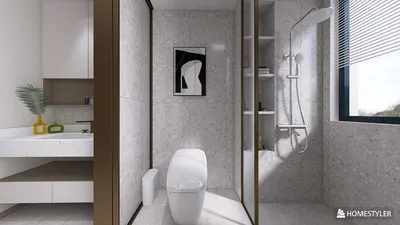


I often turn to sky blue when I need to instill clarity and tranquility in a space, providing a fresh daylight ambiance. Its flexibility allows it to enhance sharp lines while also softening transitions, influenced by lighting, texture, and finish. In both residential and office settings, incorporating sky blue thoughtfully has assisted in minimizing visual clutter, enhancing sound quality, and fostering environments conducive to restoration.
Two key insights guide my use of sky blue. The first stems from the WELL v2 Mind concept, linking color and lighting quality to stress management and supporting settings that nurture cognitive ease and daily rejuvenation. Secondly, insights from Verywell Mind emphasize the calming and stabilizing associations of blue, ideal for areas such as bedrooms and reading nooks when matched with suitable lighting and materials. On the workplace front, research from Steelcase indicates that environments harmonizing visual interest with distinct behavioral zones can enhance prolonged focus, a strategy I practice by using sky blue as a visual focal point in multifunctional areas.
Achieving the right lighting balance is crucial when using sky blue. Under neutral-cool ambient light of 4000–5000K, sky blue appears fresh and modern; however, exceeding 5000K may render it too sterile. To maintain a cozy domestic feel, using warm accent lighting in the 2700–3000K range is key. I ensure glare control by adhering to IES guidelines—balancing diffuse ambient light with low UGR task lighting to preserve vibrancy in the blue hue. For layout planning, utilizing an interior layout tool can effectively simulate light direction on surfaces like blue walls, cabinetry, and textiles, preventing unwanted color changes throughout the day.
Timeless Neutrals with Sky Blue
• Soft white and cloud gray: Pairing sky blue with matte soft white trims creates a coastal feel that avoids cliché. Mid-tone grays add depth and anchor the palette for contemporary interiors.
• Greige and stone taupe: I find that warm neutrals effectively counteract blue’s cool tones, particularly useful in open-plan living areas that receive morning light. Textured plaster or limewash can add tactile warmth, preventing a clinical atmosphere.
• Charcoal accents: Incorporating a charcoal metal frame or a deep wool rug helps to ground light blue themes, adding structure in minimalist spaces.
Warm Pairings for Lift and Balance
• Terracotta and sienna: Combining sky blue with terracotta tiles creates an uplifting Mediterranean vibe. A successful ratio to maintain visual rhythm is 60% sky blue, 30% warm hues, and 10% deep tones.
• Blush and warm beige: In bedrooms, blush textiles can soften the appearance of blue walls, while a warm beige headboard introduces an inviting element without clashing with the primary wall color.
• Brass and antique gold: Metallic accents in brass empower blue in entryways; opting for brushed finishes minimizes glare and maintains controlled reflections.
Nature-Inspired Blues and Greens
• Sage green and moss: Combining blue walls with sage cabinetry offers a refreshing biophilic sentiment. Using low-VOC paints and FSC-certified oak maintains commitment to sustainability.
• Olive and eucalyptus: An accent wall in deeper green can stabilize a light blue room, particularly suited for dining areas that aim for a cozy yet lively ambiance.
Monochrome Blue-on-Blue
Layering sky blue with navy, steel blue, and powder blue creates subtle hierarchy: the lightest shades on the largest surfaces (like walls and ceilings), medium tones for upholstery, and navy for trim or millwork. Keeping gloss finishes minimal on expansive planes helps reduce highlights, reserving semi-gloss for functional elements that require durability.
Black, White, and Sky Blue: Modern Crispness
In kitchens and studios, the contrast of black fixtures against white countertops pairs elegantly with sky blue backsplashes. I limit black to 10–15% of the overall color scheme to define outlines without compromising the airy essence blue adds to a room. Matte black finishes reduce reflections, while satin black balances tactile appeal.
Wood Tones: Selecting the Right Species
• Ash and white oak: Their light grain complements sky blue beautifully, ensuring a bright and Scandinavian aesthetic.
• Walnut: This wood brings weight to living areas; when mixed with blue textiles and textured walls, it avoids overwhelming visual heaviness.
• Bamboo: A sustainable option, bamboo is sturdy for high-traffic zones; its warm tone balances the cooler blue hues effectively.
Texture, Materials, and Sheen Control
Sky blue thrives on contrasting textures. Pairing smooth painted surfaces with materials like boucle, linen, and raw silk adds micro-texture that diffuses light effectively. In bathrooms, sky blue tiles combined with honed marble can prevent glare. Acoustic panels in heathered blue textiles can reduce reverberation—especially significant in loft spaces—while ensuring a cohesive color palette.
Lighting Strategy: Color Temperature and Layers
For ambient lighting, aim for 300–400 lux in living areas with neutral-cool fixtures around 3500–4000K to keep blue's vibrancy intact. Task lighting should achieve 500 lux at work surfaces with focused beams to minimize spill. For accent lighting, target 150–250 lux for art or architectural features, incorporating warmer tones at 2700–3000K to add depth. Implementing dimmers allows fluctuation from an energized vibe to one of relaxation while adhering to glare control practices in line with IES recommendations; it’s vital to balance vertical and horizontal illumination so blue remains consistent on walls and millwork.
Behavioral Zoning with Sky Blue
I designate sky blue as a cue for restorative spaces—such as reading corners and quiet meeting areas. In open offices, using sky blue for partitions or ceiling planes signals zones for focus, while warmer tones indicate social areas. This aligns with findings from Steelcase that highlight the supportive role of environmental cues in shifting tasks and sustaining attention. Utilizing an interior layout planner aids in testing sightlines and color integration throughout circulation paths.
Small Space Strategies
Extending sky blue onto ceilings helps to blur the junction between walls and ceilings, thereby enhancing perceived height. Adopting slim designs for lighting and furniture pieces aids in minimizing visual weight. Strategically positioned mirrors can reflect light onto blue surfaces, avoiding poor glare spots.
Bathrooms and Kitchens
In bathrooms, sky blue paired with matte white fixtures and brushed nickel finishes evokes a spa-like atmosphere. Ensuring narrow grout lines helps to keep patterns from appearing busy. Likewise, in kitchens, aligning sky blue cabinetry with white quartz countertops and walnut shelving, complemented by under-cabinet lighting at 3000–3500K, maintains warmth while showcasing the blue's clarity.
Work-from-Home Corners
Sky blue backdrops serve to create a calming effect during video calls, minimizing visual distractions. Lighting set at approximately 4000K avoids color cast on skin tones, while a warm table lamp adds dimension. Non-glossy blue surfaces behind monitors lessen glare and strain, adhering to human factors best practices regarding visual comfort.
Sustainability and Paint
Opt for low-VOC, GREENGUARD-certified paints, along with waterborne finishes for a healthier environment. Use durable matte or eggshell textures in high-touch areas to mitigate reflections while keeping surfaces resilient. Combine these selections with natural fiber textiles and sourced wood for a sustainable material palette that promotes health.
Room-by-Room Pairings
• Living room: Sky blue walls, greige sofa, walnut coffee table, and charcoal frames.
• Bedroom: Powder blue walls, blush linen, warm beige headboard, and soft 2700K bedside lamps.
• Dining room: Sky blue ceiling plane, olive accent wall, and brass pendants at 3000K.
• Kids’ rooms: Sky blue with sunshine yellow accents; maintain finishes that are easy to clean and low-gloss.
How I Test Palettes
I always paint sizable samples and review them in different daylight conditions—morning, midday, and evening. Measuring approximate light levels ensures the blue retains consistency, and I adjust lamp CCTs accordingly. If a space experiences intense daylight, I counterbalance the blue with warmer textiles and wooden elements to sustain harmony.
FAQ
To maintain sky blue's clarity without it becoming sterile, aim for neutral-cool ambient light around 3500–4000K. Incorporate warmer accents at 2700–3000K for added depth.
Select matte or eggshell finishes and utilize diffuse ambient lighting paired with well-shielded task lights. Balance vertical illumination to prevent walls from over-reflecting.
Soft white, light gray, greige, and stone taupe are safe color selections. Moderately incorporate charcoal for definition.
Absolutely. Terracotta, blush, and brass offer warmth and balance, but it’s essential to maintain correct ratios, allowing sky blue to dominate while utilizing warm tones as accents.
For a light, airy ambiance, go for white oak and ash; to introduce depth, opt for walnut, and choose bamboo for its sustainable, warm contrast.
Using sky blue for partitions or ceilings enhances focus and tranquility. When combined with ergonomic lighting and sound control measures, it aligns with Steelcase's research on the importance of environmental cues for attention management.
Map out circulation routes and sightlines, strategically position blue to anchor focus areas, and assess the impact of natural light. An efficient room layout tool can aid in visualizing color across different functions.
Indeed. Extending the sky blue onto ceilings can amplify perceived height, and maintaining low-gloss finishes keeps visual mass at bay.
Utilize sky blue alongside matte whites and brushed metals; manage task lighting around 3000–3500K to uphold warmth and cleanliness in the overall palette.
Prioritize low-VOC paints, FSC-certified wood, and natural textiles as foundational materials. Opt for robust, repairable finishes to minimize replacement needs over time.

Modern Fabric Wooden Accent Loveseat Sofa Bed 3D Model

Steve Silver Co Escondido Round Cocktail Table

Modern Two Tone Lacquered Sideboard Cabinet 3D Model
Looking to redesign your space? Homestyler is your go-to online home design platform! With its intuitive design tool, stunning 3D renderings, diverse design projects, and helpful video tutorials, you can effortlessly create and visualize your dream interiors. Dive into creativity today!
Progetta ora GRATIS
































