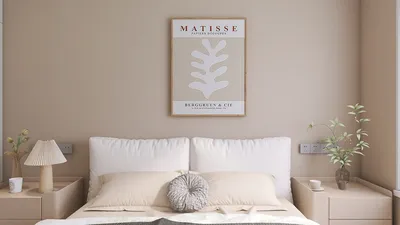


Over the past ten years, I’ve transformed numerous children’s spaces, finding that wallpaper is the quickest method to evoke an atmosphere, add dimension, and weave a narrative. The emphasis in design goes beyond mere cuteness; it focuses on creating environments that encourage restful sleep, foster creativity, and promote independence. The WELL Building Standard (WELL v2) suggests that harmonized sensory environments and managed visual stimuli play a vital role in enhancing calmness and cognitive functioning—essential for kids' rooms where resting and playing must coexist. Research from Steelcase indicates that varying visuals along with designated zones can lessen overstimulation and enhance concentration—insights that we can incorporate into the play, reading, and downtimes in a child's bedroom.
The significance of color is as impactful as the choice of patterns. Color psychology studies highlighted by Verywell Mind reveal that soothing blues and greens are conducive to relaxation, while warmer shades like peach and terracotta bring about feelings of comfort and positivity. In practical application, I tend to use cooler hues or soft pastels in sleep areas, reserving vibrant and warm accents for play zones. When it comes to illumination, I follow the IES recommendations of using layered lighting—ambient along with low-glare task lighting—ensuring that the colors of the wallpaper remain true while minimizing eye fatigue. This approach helps avoid the common situation where a beautiful wallpaper appears dull at night or overly bright in daylight.
Playfully Sophisticated: Patterns That Grow with Her
Avoid overly thematic prints that will become outdated in a year. Instead, opt for sophisticated motifs—botanical line drawings, small geometric patterns, watercolor clouds, or delicate metallic stars. These designs maintain a whimsical feel at age five while remaining stylish as she matures into her pre-teens. I prefer tighter repeats for expansive walls to minimize visual clutter and a bolder accent pattern on a single wall to introduce a dramatic touch without creating chaos.
Strategic Accent Walls vs. All-Over Coverage
Consider an accent wall behind the bed or reading nook to ground the room while preventing it from feeling cluttered. Full-room wallpaper is best suited for soft textures or tonal designs. If you’re reconsidering furniture arrangement or circulation, utilizing a room layout tool can help visualize focal walls and sight lines, saving you from costly missteps when it comes time to hang the wallpaper.
Soft Neutrals + Pastel Pops
Warm whites, soft blushes, muted lavenders, and seafoam serve as excellent base colors. I like to integrate one darker accent—such as mulberry, forest green, or denim blue—to provide a grounding effect and enhance longevity. Combining these colors with natural materials like oak, rattan, and linen balances sweetness and avoids an overly sugary appearance.
Ceiling Wallpaper for a Dreamy Canopy Effect
For children who enjoy tales and star-gazing, wallpapering the ceiling with gentle cloud imagery, tiny constellations, or ombré gradients from dawn to dusk can transform the space into a nurturing canopy. It’s advisable to keep wall patterns calmer to prevent visual overload. A matte finish will help diminish glare from light fixtures, maintaining a soothing atmosphere at bedtime.
Pattern Scale and Proportion
It’s essential to match the scale of patterns with the dimensions of the room and the height of the ceiling. In smaller spaces, small to medium patterns work well to keep proportions appealing and reduce visual chaos. Rooms with higher ceilings can accommodate bolder scales or vertical designs that emphasize height. I adhere to a 60/30/10 ratio: 60% of a calm field (either painted or subtly textured), 30% primary pattern (on a feature wall or throughout), and 10% accent pattern (such as within niche areas or behind a desk).
Zones that Support Behavior
Designate specific zones—like sleep, play, and focus—and let wallpaper establish behavioral cues. A muted, cool-toned design by the bed can signal a restful atmosphere, while a lively confetti or dot pattern in the play area can inspire energy and creativity. By utilizing walls as behavioral guides, children can transition more easily between various activities.
Low-Commitment Magic: Removable Wallpapers
Removable peel-and-stick wallpaper options are ideal for renters or those seeking quick makeovers. They’re easy to install, forgiving during the process, and allow you to test out bolder designs. I always use primer and lightly sand the walls to ensure optimal adhesion, plus I order an extra roll for pattern matching around corners and doors.
Textured and Tactile Finishes
Vinyls with a grasscloth look, linen textures, and embossed patterns add depth without overwhelming colors. Texture also helps soften acoustics, making small spaces feel more sophisticated. In children’s rooms, I tend to opt for scrubbable vinyl-backed options for their durability.
Mixing Prints Without Chaos
To create harmonious print combinations, maintain one consistent element—be it color family, type of motif, or pattern scale. Pair a flowing botanical design with a tight micro-gingham, or a soft star scatter with a tone-on-tone stripe. Keep the sheers, bedding, and rugs understated, allowing the wallpaper to remain the focal point.
Light, Color Temperature, and Wallpaper Readability
Understand that wallpaper appears differently under various lighting conditions. I aim for warm white lighting around 2700K–3000K in the evenings to facilitate winding down, and 3500K lighting at desks for improved clarity during homework sessions. Utilizing dimmable fixtures helps prevent vibrant prints from feeling overly stimulating post-sunset. Additionally, sconces should be positioned to wash the wallpaper gently rather than spotlighting it to avoid harsh reflections and to ensure designs remain legible.
Durability, Cleanability, and Safety
When selecting wallpaper, prioritize options featuring low-VOC inks and certifications that enhance indoor air quality. Semi-matte finishes tend to mask fingerprints more effectively than glossy options. For high-traffic zones—like around desks or dressing areas—choose washable and durable grades and limit heavy textures that may accumulate dust.
Theme Ideas with Staying Power
Consider subtle watercolor leaves or meadow florals in muted colors. Layer these with rattan-based headboards, linen canopies, and woven baskets. Adding a deeper green on trim can provide a balanced touch.
For a celestial feel, implement micro constellations in silver or champagne hues against soft blue or mushroom backgrounds—perfect for ceilings. Pair with soft boucle fabric and cloud-themed lamps.
Skinny tonal stripes in blush, shell, or dove are always a classic choice. They’re crisp and timeless, beautifully complemented by a scalloped bedside shelf for an added architectural detail.
Fine-line illustrations of animals and botanical elements in sepia or graphite tones provide a gentle aesthetic that can evolve as the child grows, avoiding a childish appearance.
Curved patterns like circles, bows, and arcs in dusty rose, mauve, and terracotta add a lovely softness—keeping floors in natural tones to anchor the playful shapes.
Where to Place Pattern for Maximum Impact
Position focal walls behind beds or desks. Secondary pattern placements could include inside closet backs, bookshelf interiors, or framed wall panels. For shared children's rooms, a chair-rail height wallpaper band around the room in varying designs allows each child to select a coordinating pattern without visually dividing the space.
Installation Tips I Rely On
Planning the Room and Visualizing Before You Hang
Before hanging wallpaper, if it dictates the room layout, I find it beneficial to set up a mock design with an interior layout planner. This step helps assess focal walls, bed placements, and overall circulation, making it easier to determine how an accent wall will frame the headboard or how a ceiling print reads from the entrance.
Encouraging a Child’s Input in Design
Present just two to three curated design options rather than overwhelming them with twenty. Children tend to make confident choices when their options are streamlined, so I often provide a calming option, an energetic one, and a textured neutral—ensuring a cohesive yet personal result.
Authority Notes and Useful References
The WELL Building Standard (WELL v2) serves as a vital foundation, emphasizing the benefits of balanced sensory environments for overall well-being. Additionally, insights from color psychology by Verywell Mind assist in fine-tuning sleep and play palettes. Both aspects underscore the significance of maintaining a design grounded in evidence rather than fleeting trends.
FAQ
Soft blues, greens, and muted neutrals are conducive to a calming atmosphere. It's best to keep the saturation lower near the bed and save brighter hues for play areas.
A subtly patterned accent wall generally gives the illusion of more space. If opting for full-room wallpaper, choose a tonal design with low contrast to minimize visual clutter.
To avoid chaos when mixing prints, vary the scale (one bold and one small), stick to a tight color palette, and allow solid colors to dominate textiles. Limit the combination to two patterns plus one simple texture.
Utilize a mix of 2700K–3000K ambient lighting alongside 3500K task lighting. Implementing dimmers and indirect sconces can diminish glare on metallics or high-contrast wallpaper designs.
Quality peel-and-stick wallpaper can stand the test of time when applied to properly prepared walls. In high-traffic areas, select washable materials and have an extra roll ready for unforeseen repairs.
Look for mature palettes featuring botanicals, stripes, and geometrics, steering clear of character-driven or neon themes for extended appeal.
Absolutely—utilizing lightweight rolls and robust adhesives (or high-quality peel-and-stick varieties) alongside two ladders ensures better control. Keep patterns subtle to prevent overwhelming sensations.
The best placement for wallpaper is behind the bed or in the primary line of sight from the doorway. Avoid installing it on the wall with the largest window to limit interruptions in patterns.
Always choose low-VOC inks and adhesives, ensure proper ventilation during the installation process, and avoid heavy textures that catch dust if allergies are a concern.
Implement a neutral color scheme consistently across three walls, then add coordinated wallpaper panels or a chair-rail band for each child's side to personalize their space without conflict.
Homestyler is your go-to online platform for home design! With its user-friendly design tool, stunning 3D renderings, and a wealth of inspiring projects and video tutorials, you can effortlessly create and visualize your dream spaces. Transform your home design journey today!
Design Now for FREE
































