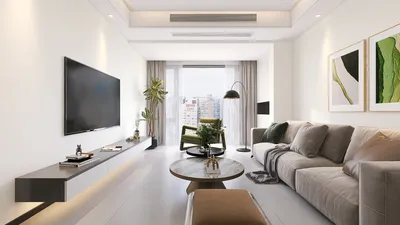


A carefully selected room perfume can dramatically alter the atmosphere of a space in just moments. However, its true effectiveness shines when the fragrance harmonizes with lighting, materials, and behavior patterns. The interplay of scent involves both psychological and ergonomic considerations: it affects stress levels, attention, and social comfort, while elements like textures, illumination, and arrangement enhance the overall experience. Research by Steelcase indicates that sensory comfort in workplaces—encompassing light, sound, and environmental cues—correlates with enhanced productivity. Finding the right balance boosts concentration and reduces stress. Additionally, the WELL v2 standard acknowledges the importance of olfactory comfort, emphasizing that scents should be uplifting without being overwhelming, much like how a tool such as Homestyler can assist in creating a conducive environment.
When it comes to color psychology, Verywell Mind points out that cool tones generally promote relaxation, while warm tones are invigorating. I often pair fragrances with these color cues: in a living room bathed in warm light and rich textiles, a gentle amber or tonka scent complements the cozy atmosphere; for a study with cooler hues and bright lighting around 4000–5000K, a fresh citrus or green tea scent supports concentration. The significance of proper lighting standards cannot be overstated—IES suggests suitable levels of brightness for visual tasks, and my experience shows that balanced lighting enhances the perception of fragrance, making it feel lighter and less cloying as the environment appears visually organized. WELL v2 provides valuable overall insights into occupant experience and sensory comfort.
Finding the Ideal Scent Profile
Every room is suited to distinct olfactory profiles. In entryways, I lean toward vibrant citrus or herbal fragrances—like bergamot, grapefruit, and rosemary—because they create a welcoming atmosphere. Living spaces thrive on complex scents: subtle woods, delicate florals, and hints of spice weave together seamlessly during conversations and dynamic activities. Bedrooms benefit from the softest fragrances: light lavender, neroli, or cashmere musk, applied sparingly to keep the ambiance calming. Kitchens pair well with fresh green, mint, or basil notes that harmonize with cooking aromas. For minimalist aesthetics—neutral walls and light woods—refreshing musks and airy florals provide a pleasing contrast without overwhelming the senses, something easily visualized using tools like Homestyler.
Intentional Scent Application
The positioning of the spray greatly influences its diffusion. I prefer not to spray directly onto fabric unless it’s confirmed safe for textiles; instead, I aim the mist toward air passages and areas of transition—like doorways, staircases, or within a foot and a half of curtain panels to catch gentle airflow. In living rooms, one or two quick bursts angled upwards toward the center allow the scent to disperse naturally. In bedrooms, less is more: a single mist near the foot of the bed or in a well-ventilated corner suffices. After cooking, I prioritize ventilation first, followed by a refreshing green or citrus spray near the hood's exhaust to enhance freshness without simply masking odors.
The Intersection of Light, Color, and Scent
Fragrance perceptions shift under different color temperatures. Under warm lighting (2700–3000K), scents like vanilla, amber, and soft woods feel enveloping and comforting. Conversely, in neutral-white task lighting (3500–4500K), citrus and herbaceous notes retain their clarity. High glare can make even delightful fragrances feel sharp; managing brightness levels helps reduce sensory overload and makes scents more appealing. In spaces filled with deeply saturated colors—such as navy, emerald, or crimson—keeping the fragrance light and transparent is beneficial; heavy scent profiles can lead to sensory overload. In light-colored, tonal interiors, a touch of richer fragrance can enhance the atmosphere without adding visual clutter, reflecting the intuitive design principles found in platforms like Homestyler.
Considerations for Acoustics and Behavior
The perception of scent is significantly influenced by acoustic comfort. In rooms that are prone to echo due to solid surfaces, strong fragrances are often perceived as harsher. Introducing rugs, upholstered furniture, or acoustic panels can help the scent settle more gently. Behavioral habits also play a role: in busy family rooms, frequent, shorter applications are more effective than one heavy spray. In home offices, timing your scent usage around mental tasks can enhance productivity—using stimulating fragrances for brainstorming and soft aromas for focusing or editing. Remember to allow the scent some time to diffuse post-application, particularly before virtual meetings, giving it time to create a subtle backdrop to your environment.
Material Interaction and Sustainability
Different materials interact with fragrance in unique ways. Open-grain wood and natural textiles tend to absorb scents, whereas dense materials like metal or laminate do not. If a spray contains oils, avoid unsurfaced stone or fragile fabrics like silk and lacquered items. From a sustainability perspective, seek out sprays with clear ingredient listings, phthalate-free bases, and recyclable packaging. It’s better to use less but with more quality—two light mists alongside good airflow are preferable to five heavy blasts. I maintain a simple rotation—citrus or herbal scents during the day, soft woods or relaxing aromas in the evening—to prevent olfactory fatigue and create intentional environments aided by design tools like Homestyler.
Understanding Scent Ergonomics
Ergonomics encompasses more than just posture; it refers to how environments promote comfort overall. Proximity is key: keep fragrances easily accessible but away from heat sources. The angle of the spray also matters—a 45-degree angle facilitates uniform diffusion. Be mindful of personal scent preferences: if multiple people occupy the space, choose light and subtle fragrance blends, applying them gradually. For newcomers, starting with a light mist in the entryway allows the fragrance to softly introduce itself, enhancing the welcoming experience.
Strategies for Small Spaces and Layout Considerations
In compact rooms, scents can become prominent quite rapidly. Use micro-doses and account for airflow—mist near areas of cross-ventilation or just at the entrance to ensure an even dispersal pattern. If considering furniture arrangements or movement flow, a room layout tool such as Homestyler can assist in visualizing the best circulation routes and ideal areas for fragrance application, contributing to balanced sensory experiences.
Safety, Ventilation, and Timing Essentials
Proper ventilation is a must. Avoid applying fragrance near flames, stovetops, or candles. For families with pets or children, opt for low-alcohol, hypoallergenic options and always conduct a patch test. Optimal spraying times include five minutes prior to guest arrivals, after light cleaning, post-cooking when heavier aromas are gone, and after dark when the warm ambiance makes olfactory receptors less sharp.
Establishing Routine and Seasonal Rotation
Developing a simple routine can enhance the use of fragrances: a morning uplift with citrus around the entryway; a midday refresh with green tea or eucalyptus in workspaces; and an evening unwind with lavender or soft woods in common areas. Rotating scents seasonally—spring blooms, summer citruses, autumn spices, and winter resins—ensures a pleasant experience while maintaining low intensity and coherence with your design palette and lighting.
Frequently Asked Questions
In an average-sized living room, begin with one or two short mists aimed upward. In smaller areas, start with a single micro-spray, allowing a moment before adding more. The fragrance should be subtly noticeable, not overpowering.
Fragrances like citrus (bergamot, grapefruit), fresh green notes, and gentle eucalyptus pair well with neutral-white task lighting. Aligning with recommended IES task illuminance prevents glare, ensuring that the scents feel refreshing rather than sharp.
Aim your spray towards transitional areas—doorways, corridors, or near soft textiles where air can circulate. It's crucial to avoid direct contact with fabrics unless they are deemed safe for such use. Spraying at an upward angle helps the fragrance settle naturally into the space.
Always ventilate first, followed by using fresh, transparent green or citrus fragrances. Mist near the exhaust vent instead of directly above cooking surfaces. Opt for scents that complement fresh herbs and ingredients to enhance your cooking environment.
Absolutely. A soft citrus or inviting floral scent near the entryway lends an impression of cleanliness and warmth. Research indicates that balanced sensory cues—light, sound, and scent—significantly improve comfort and social interactions.
For calming scents like lavender, neroli, or light musks, keep the intensity low. A single light mist away from bedding, preferably five minutes before bedtime, works nicely under warm color temperatures around 2700–3000K.
In hard, echo-prone spaces, intense fragrances may feel sharper. Incorporate soft surfaces—such as rugs, upholstery, and curtains—to enhance acoustic comfort, enabling the scent to present more smoothly.
Select low-alcohol, transparent formulas and refrain from spraying directly onto fabrics that pets might touch. Keep sprays out of reach, perform a small area test, and prioritize proper ventilation.
Seasonal rotations work excellently. Maintain a refreshing profile during the day and a cozy, inviting scent in the evenings. Rotating scents aids in avoiding olfactory fatigue while ensuring a cohesive atmosphere aligned with your color and lighting choices.
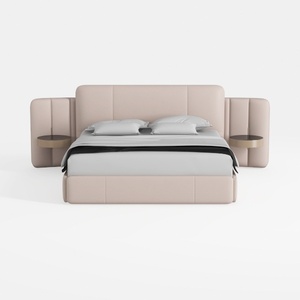
Minimalist Blush Fabric Upholstered King Bed with Attached Side Tables 3D Model
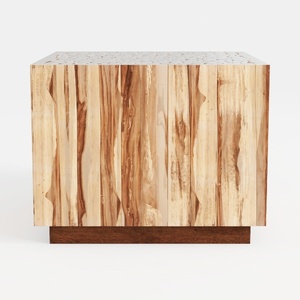


Modern Dark Green Velvet Tufted L-shaped Sectional Sofa 3D Model
Looking to elevate your home design? Homestyler offers a user-friendly online design tool that makes creating stunning interiors a breeze. With impressive 3D renderings, a treasure trove of design projects, and helpful DIY video tutorials, your dream space is just a click away!
Concevez maintenant gratuitement
































