

Creating a 3D model of DNA is an exceptional science project suitable for classrooms, science exhibitions, or home education. This visual representation effectively illustrates the iconic double helix form, base pairing, and the sugar-phosphate backbone, allowing for a deeper understanding of genetic principles. To embark on this project, collect your supplies: colorful beads or modeling clay representing the four nucleotides—adenine (A), thymine (T), cytosine (C), and guanine (G)—along with pipe cleaners or sticks for the backbone, and string or wire to shape the helix. Construct your "ladder" by matching A with T and C with G using the beads. Secure these pairs along either side of the backbone, then gently twist the assembly to replicate the famous double helix shape. As a designer, I see striking parallels between this process and the spatial reasoning required for successfully planning interior designs: achieving accuracy while also focusing on visual appeal, ensuring stability, and crafting an engaging overall display.
Suggestions to Consider:
If you're interested in showcasing scientific models or illustrating intricate concepts in captivating 3D visuals, utilizing a digital platform like Homestyler can enhance your projects. This tool allows you to modify templates and structures, whether you're working on a DNA model or an elaborate interior design layout.
Common Inquiries
Q: Which materials are ideal for constructing a 3D DNA model?
A: While many students opt for colored beads, clay, pipe cleaners, and wire, you can easily substitute with everyday items such as straws, toothpicks, or recycled materials for innovative creations.
Q: What colors should each DNA base represent?
A: Generally, adenine is depicted in green, thymine in red, cytosine in blue, and guanine in yellow. However, maintaining a consistent color scheme is more critical than exact hues.
Q: How can I ensure my DNA model is accurate?
A: It's essential that your model correctly represents base pairs (A-T, C-G), features a twisted double helix, and showcases the sugar-phosphate backbone.
Q: Is it possible to create a DNA model using digital tools?
A: Certainly! Numerous online tools and rendering platforms are available that enable you to design and visualize molecular structures in 3D.
Q: Why is constructing a 3D DNA model advantageous?
A: Hands-on models provide a better understanding of molecular biology, protein synthesis, and genetic processes by offering a tactile, visual learning experience.
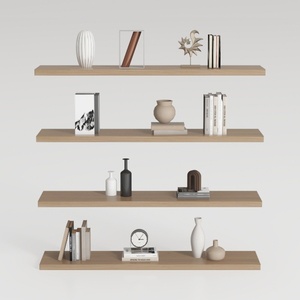
Minimalist Solid Wood Wall Mounted Floating Shelves 3D Model


Minimalist Solid Wood Console Table Single Drawer Storage 3D Model

Novelty Shark Shape Fabric Accent Chair 3D Model
Looking to unleash your inner designer? Homestyler is your go-to online platform! With its user-friendly design tool, impressive 3D rendering, and a wealth of inspiring design projects and video tutorials, you can effortlessly create your dream home, regardless of your experience level.
Дизайн сейчас бесплатно
































