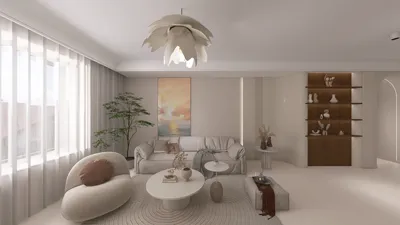


An aquarium coffee table naturally captures interest while maintaining a subtle presence. When designed effectively, it offers soothing movement, gentle illumination, and a tactile centerpiece that grounds the seating arrangement. In living room designs I have executed, these versatile pieces also facilitate traffic flow and conversation—individuals are instinctively drawn to lively, lit elements. Research conducted by Steelcase indicates that visual micro-breaks, which divert attention from screens, can alleviate cognitive strain during prolonged sitting; a captivating focal point can efficiently fulfill this purpose between reading or discussions. The WELL v2 framework emphasizes the importance of glare management and suitable lighting levels for visual ease, reminding us that the luminosity from an aquarium must harmonize with the overall ambient light instead of competing with it (refer to the LIGHT concept from WELL v2). I typically aim for a coffee table height between 16–18 inches, allowing for a comfortable 12–18 inch gap between the edge of the sofa and the aquarium rim for easy viewing and access.
Prior to making any cuts or performing water tests, it is essential to align the design with considerations for load weight, lighting, and ergonomics. With water weighing approximately 8.34 lbs per gallon, a 20-gallon aquarium setup can weigh 170–200 lbs when accounting for glass, substrate, and decorations. I maintain a safety factor of 2.0 in my furniture-grade frameworks. From the perspective of occupant comfort, the Illuminating Engineering Society advocates for layered lighting that manages brightness ratios to minimize reflections on flat surfaces; combining dimmable ambient lighting with a low-glare aquarium canopy preserves visual harmony within your living area. Additionally, for biophilic effects and mood enhancement, studies from Verywell Mind suggest that cool colors like blue and green enhance tranquility, which aligns seamlessly with freshwater aquascapes.
Designing Your Aquarium Coffee Table
Decide early whether to incorporate a standard aquarium (like a 20-gallon long) into a custom wooden or steel frame or to opt for a specially designed rimless tank. I generally favor standard tanks for their cost-effectiveness and ease of maintenance. Aim for dimensions that correspond with your seating arrangement: a length of 36–42 inches typically complements most three-seat sofas, while a width of 20–24 inches allows for comfortable access. Maintain a distance of 3–4 feet from the table edges to key pathways. For effective visualization of sightlines and space, utilizing a room design visualization tool can greatly assist in ensuring clearances are suitable.
Materials and Tools Required
- Aquarium: choose a 20-gallon long (30 x 12 x 12 inches) or a 30-gallon breeder (36 x 18 x 12 inches) for a broader aesthetic.
- Structural frame: utilize kiln-dried hardwood (such as oak or ash) or powder-coated steel angles. Look for 1.5–2 inches members, enhanced with corner blocking or welded gussets for stability.
- Surface: install tempered, low-iron glass that is between 3/8–1/2 inch thick, either with pencil or flat-polished edges. Tempered glass is essential for safety.
- Base panel: choose 3/4 inch marine-grade plywood equipped with a closed-cell foam pad to evenly distribute the weight of the aquarium.
- Access panels: design concealed push-to-open mechanisms on at least one side to facilitate feeding and upkeep.
- Ventilation: incorporate laser-cut vents or perforated steel panels to avoid moisture accumulation.
- Filtration: select either a canister or internal filter rated for approximately 4–6 times the tank volume per hour.
- Lighting: integrate a low-glare LED bar with a CRI of 90+ and a color temperature between 4000–6500K to support both viewing and plant growth; include a dimmer option.
- Cable management: employ drip loops, grommets, and connect to a GFCI-protected outlet with surge protection.
- Finish: apply a low-VOC, water-based polyurethane or hardwax oil to protect the surface, ensuring silicone-sealed interior surfaces.
Structure and Weight Management Techniques
Approach this like a furniture designer: direct the load to the ground. The perimeter frame beneath the glass surface should not rest on the aquarium's walls; instead, it should extend over them, directing the weight to the corner supports. The tank should rest on the base panel within the frame, lined with foam to ensure an even distribution of weight. For a 30-gallon breeder, I recommend steel angles of 1.5 x 1.5 inches (11–12 gauge) or 1.75 x 1.75 inch hardwood pieces with mortise-and-tenon joints at the corners. Additional cross-bracing beneath the tank will prevent structural racking when someone leans on the table.
Ergonomic Considerations, Sightlines, and Glare Management
The glass surface should align with or sit slightly below the typical height of a coffee table to ensure that individuals seated at a height of 17–19 inches can see down without straining their necks. Set the LED lighting to 400–500 lux at the substrate level for planted tanks, while aiming for a glass top brightness around 150–250 lux in the evening to avoid harsh reflections in the room. Shield the LED light with a micro-baffle or satin diffuser to mitigate high-angle glare. In spaces with large windows, consider a matte or etched finish on the underside of the glass edges to soften reflections while maintaining visibility.
Ventilation and Moisture Control Strategies
Heating elements concealed in furnishings can lead to humidity traps. Implement passive ventilation by installing openings on opposing sides (with low intakes and high exhausts) to encourage air circulation. Seal seams of all interior compartments near the aquarium with a thin layer of silicone and apply two coats of water-based polyurethane. Maintain a 1/8–1/4 inch space between the glass top and the frame to disrupt capillary action and facilitate moisture evaporation.
Filtration, Accessibility, and Noise Considerations
Canister filters are effective, but ensure that quick-disconnect valves remain accessible via the concealed panel. Utilize soft silicone tubing to minimize vibration and position the canister on a neoprene pad. Ensure that the return line is submerged beneath the waterline to reduce splashing noise; aim for gentle water movement that ripples without casting glare on the ceiling. If an air pump is necessary, suspend it using elastic bands to absorb vibrations from the frame.
Electrical Safety Measures
All cords should include drip loops below the outlet height. Keep power strips outside the cabinet and use grommeted pass-throughs for wire management. A GFCI outlet is essential for safety near water. Clearly label circuits so that the light, filter, and heater can be independently turned off during maintenance operations without needing to disrupt the overall system.
Aquascaping: Vegetation, Substrate, and Color Psychology
For a stunning living room focal point, I opt for a low-profile, multi-layered aquascape: a dark base layer paired with mid-tone river stones and a single graceful driftwood feature to create visual rhythm. Including plants such as Anubias, Java fern, and dwarf sagittaria simplifies upkeep. Cool hues like greens and blues enhance a calming atmosphere; according to Verywell Mind’s insights on color psychology, green tones can alleviate stress and eye fatigue, complementing end-of-day relaxation.
Glass Top: Thickness, Edges, and Maintenance Tips
A tempered glass thickness of 3/8 inches suits spans of up to 36 inches; upgrade to 1/2 inch thickness for lengths of 42 inches or greater, especially if frequent leaning or games occur. Edges that are pencil-polished not only minimize cuts but also create a more visually appealing finish. For maintenance, utilize a non-ammonia cleaner on the exterior glass and deploy a magnetic cleaner for the aquarium walls—avoid lifting the glass surface for routine cleanings to maintain humidity levels.
Step-by-Step Build Process
1) Measure and visualize: ensure clearance for the sofa, pathways, and reach distances. Use an interior layout planner if you wish to test different footprints before cutting.
2) Construct the frame: assemble rails, legs, and cross-braces; pre-finish interior components.
3) Install the base panel: cut marine plywood with foam padding; place the aquarium and check for comprehensive clearance.
4) Route cables: drill grommeted openings and dry-fit the canister lines and light rail system.
5) Install the access panel: ensure it allows one-handed operation and provides full hose access.
6) Finalize finish: seal, sand, and topcoat; wait for a complete cure before introducing moisture.
7) Conduct a water test: leave for 24–48 hours with a paper towel perimeter to check for leaks.
8) Aquascape setup: begin with the hardscape, follow with substrate, plants, and fill carefully to avoid clouding the water.
9) Commission the system: operate filtration and lighting for one week; cycle biologically before introducing fish.
Maintenance Guidelines for Longevity
Every week: refill evaporated water, clean the outer glass surface, and look for mineral residue (in freshwater). Monthly: clean filter components with tank water to protect beneficial bacteria, inspect cables and drip loops, and ensure ventilation cutouts remain unblocked. Seasonally: refresh the wood finish where handling occurs and check fasteners for movement due to seasonal changes.
Acoustic Comfort Essentials
A living room should produce a gentle hum rather than a distracting buzz. Aim for the entire system to operate under 35 dBA at a distance of one meter. Utilizing rubber grommets, neoprene pads, and well-calibrated impellers can make a significant difference in sound levels. Direct the water return to create a smooth laminar flow along the back pane, avoiding splashes.
Sustainable Practices
Select FSC-certified hardwood or recycled steel materials. LED lighting with a dim-to-warm feature reduces blue light emission during the evening, subsequently lowering energy consumption. Source inert rocks and wood sustainably; reputable aquascaping retailers often offer verified materials. Utilize low-VOC finishes and sealants to maintain indoor air quality.
Common Errors Observed
- Using too thin glass tops that bend under the weight of elbows.
- Lack of drip loops or GFCI security measures.
- Directing bright 6500K lights upward, resulting in glare issues.
- Inadequate clearance for filter maintenance.
- Underestimating the weight and impact on fragile flooring; consider using soft pads or spreading rugs beneath.
Frequently Asked Questions
Q1: Ideally, what size tank suits a coffee table design?
A: A 20–30 gallon tank size provides a harmonious balance of visual area, weight, and maintenance ease. The 30-gallon breeder with its 36 x 18 inch dimensions offers ample aquascaping possibilities while remaining within reasonable weight limits for typical living-room floors.
Q2: How can I minimize glare from aquarium lighting?
A: Utilize diffused LED lighting with a shallow baffle and adjust to lower levels in the evening. Pair this with ambient lighting that maintains a comfortable brightness ratio between the tank and surrounding surfaces. Guidance from WELL v2’s Light concept strongly advocates glare reduction for visual comfort.
Q3: Is using tempered glass obligatory for the tabletop?
A: Absolutely. Tempered glass enhances impact resistance and, in the event of failure, shatters into safer granules. Consider upgrading to 1/2 inch thickness for spans exceeding 36 inches or with heavy usage.
Q4: What would be the final weight of the table once filled?
A: Water weighs approximately 8.34 lbs per gallon. A fully loaded 30-gallon aquarium, including decorations and glass, typically weighs between 220–260 lbs. It is critical to design the frame for a minimum safety factor of 2.0 while implementing supported load paths.
Q5: Can I opt for a rimless tank for aesthetics?
A: Yes, but rimless aquariums require precise leveling and even support. Any distortion from an uneven frame can create seam stress. Ensure a perfectly flat base and consider using a foam pad for stability.
Q6: What light color temperature should I select?
A: For effective plant growth and enjoyable viewing, a temperature of 4000–6500K with a CRI of 90+ is ideal. For a softer evening ambiance, dim to the lower end of this range to foster relaxation and minimize harsh reflections.
Q7: How can I manage cables discreetly and safely?
A: Create a grommeted cable pathway, positioning power strips off the cavity floor, employing drip loops, and connecting to a GFCI-protected outlet. Clearly label power lines to allow for individual control of the filter or lighting system.
Q8: Which fish and plants are low maintenance for a cozy living space?
A: Robust plants such as Anubias, Java fern, and dwarf sagittaria thrive alongside small community fish like neon tetras or cherry shrimp. Keeping fish stocks minimal helps reduce algae growth and lightens the filter load.
Q9: Will the table warm the tank or the reverse?
A: Enclosed compartments can retain heat. Ensure cross-ventilation slots are present and avoid placing the table over any floor heating sources. Average room temperatures generally keep tanks between 72–76°F; incorporate a small heater only if absolutely necessary.
Q10: What maintenance schedule should I expect?
A: Allocate around 15–20 minutes weekly for topping off water and cleaning glass, and a monthly session of 30–45 minutes for filter maintenance and plant upkeep. A well-organized setup yields stability with lighter fish stocking.
Q11: Am I able to place hot mugs directly on the glass?
A: Tempered glass is durable enough for typical mug temperatures, yet employing coasters is wise to prevent thermal marks and scratches. Avoid imposing heavy loads or dropping hard objects on the surface.
Q12: What precautions should I take if I have children or pets?
A: Select thicker glass and opt for rounded edges; secure access panels with latches suitable for child safety and ensure the frame is stable against inadvertent bumps. Keep electrical components out of reach from small hands and curious pets.
Built on technology originally developed at Autodesk, Homestyler empowers anyone to design beautiful, realistic spaces in minutes. Join over 18 million users who have already discovered a smarter way to plan, visualize, and bring their dream homes to life — all from the comfort of a browser.



If you're looking to transform your home design ideas into reality, Homestyler is your go-to platform! With its user-friendly online design tool, stunning 3D renderings, extensive design projects, and helpful DIY video tutorials, you'll find everything you need to create your dream space effortlessly.
Design Now for FREE
































