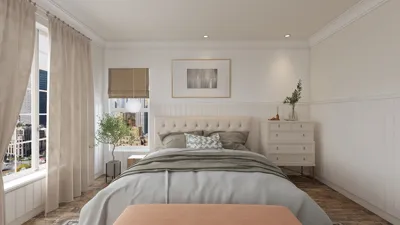


In my designs for living rooms, I often draw inspiration from the Dewan (Majlis-style) ethos, which emphasizes hospitality, conversation, and cultural traditions. A Dewan living room focuses less on standout pieces and more on creating a fluid space that fosters comfort and meaningful gatherings. Imagine incorporating layered seating, unobstructed sightlines, and thoughtfully calibrated lighting to facilitate long, enjoyable evenings. Utilizing tools like Homestyler can help visualize these dynamics effectively.
Research consistently shows that effective layout and comfort significantly enhance social experiences. For instance, studies from Steelcase indicate that seating that allows for posture adjustments improves comfort, especially during extended visits. Similarly, Herman Miller’s findings suggest that ergonomically sound seating can diminish pressure and fatigue over time, which is crucial for guests who stay for long periods. Additionally, the WELL v2 standard highlights the importance of glare control and adjustable lighting to enhance visual comfort, ensuring spaces feel both open and relaxing. I incorporate these principles early in the design process, particularly when fostering conversation is a priority.
In Majlis-inspired living rooms, successful hospitality hinges on effective management of acoustics, lighting, and movement within the space. The IES recommends layering task and ambient lighting to avoid harsh shadows. Moreover, insights from Verywell Mind about color psychology indicate that warm neutrals can create social warmth, while moderated reds introduce vibrancy—essential to maintain a balance between energy and relaxation. From the heights of seating to the layout of traffic paths, I prioritize human-centric design to ensure every guest feels welcomed and comfortably accommodated.
Design Intent: A Dewan That Exudes Effortlessness
My objective is to create a living room that fosters conversation without feeling cramped, facilitates seamless tea service, and can adapt to various group sizes. I begin with a simple zoning concept: a primary area for conversation, a secondary nook for retreat, and a flexible space for overflow seating or children's play. Tools like a room layout tool such as Homestyler can effectively simulate circulation paths and sightlines, allowing for adjustments before finalizing furniture placements.
Essential Layouts for Dewan Living Rooms
Start by placing a central rug to ground the social interaction space. Position a low-profile sectional and two lounge chairs around a sizable coffee table, adding floor cushions around the edges for extra seating. It's vital to maintain circulation paths of 90–110 cm behind the seating to facilitate smooth movement. This arrangement encourages eye contact and keeps service areas easily accessible. For lighting, layer dimmable ambient light (2700–3000K) with focused accents (3000K) on artwork and key surfaces to enhance visual appeal without casting glare.
Another option involves using two sofas facing each other with side chairs at one end, perfect for rectangular rooms or more formal settings. Maintain a distance of 60–75 cm between the front of the coffee table and adjacent seating. Ensure 120 cm clearance at entry points to avoid disruptions in conversation. Enhancing acoustic comfort can be achieved through upholstered textiles, plush rugs, and curtains; if the ceilings are hard, consider adding fabric panels or wooden slats to reduce reverberation.
To capture the essence of traditional Dewan design, integrate low seating platforms, bolster cushions, and supportive armchairs for elders. Vary the heights of seating (ranging from 25 to 45 cm) to allow guests to find their preferred level of comfort. Include side tables within 40–60 cm reach for tea service while keeping pathways clear along the borders to maintain decorum. Utilize warm whites (2700K) and minimize glare with sconces to create an intimate atmosphere.
In elongated rooms, develop a central spine where seating clusters are slightly offset from a runner rug or low console. One end can facilitate quieter discussions, while the other encourages lively conversations. The lighting transitions along this central spine—from ambient coves to focused spots—help guide behavior and assist guests in self-organizing without excessive signage.
Seating Strategy: Emphasizing Comfort, Hierarchy, and Flexibility
My seating arrangements prioritize the needs of individuals: supportive armchairs for stability, a sectional for relaxed lounging, and movable poufs for adaptability. Research from Herman Miller underlines the importance of varied seating options for longer social interactions. Ensure at least one high-support chair is placed near natural light and out of primary traffic areas, while for gatherings, flexible side chairs or stackable stools can quickly accommodate additional guests without cluttering the visual landscape.
Illumination Strategies: Controlling Color Temperature, Layers, and Glare
Rich conversations flourish under well-planned lighting conditions. I combine ambient ceiling washes (2700–3000K) with table and wall lamps to soften shadows on faces and hands. According to IES guidelines, it’s crucial to maintain uniformity and lower contrast ratios; I aim for a 3:1 ratio of accent to ambient light for art pieces and focal areas. Utilizing dim-to-warm technology enhances evening hospitality by adjusting from 3000K pre-dusk to a softer 2700K after dinner. Shield bright light sources behind louvers or shades to preserve line of sight.
Color Psychology: Creating Warmth, Respect, and Energy
Dewan spaces benefit from a harmonious palette of layered neutrals—such as sands, warm taupes, and ivories—complemented by deep tones of teal, terracotta, or oxblood. Insights from Verywell Mind suggest that reds stimulate conversation, but moderation is essential; I prefer to reserve bold shades for textiles and artwork, while keeping walls serene. Incorporating metallic finishes—like brushed brass or antique bronze—adds an element of ceremony without reflecting harsh light. If displaying family images or calligraphy, ensure that accent lighting accurately represents skin tones and ink (CRI 90+).
Ensuring Acoustic Comfort: Soft Elements and Clear Conversations
A welcoming Dewan should create a gentle yet vibrant soundscape. Combine plush rugs, upholstered furniture, lined draperies, and various acoustic features (like bookshelves, soft panels, or timber slats) to minimize echo. Strive for clarity in speech at arm’s length while avoiding a sensation of lifelessness within the room. If hosting music, it's helpful to delineate a performance area using heavy curtains or movable screens to adjust acoustics as needed.
Materials and Sustainability: Focus on Texture, Durability, and Health
I prioritize breathable fabrics, natural fibers, and solid wood materials whenever possible. Utilizing low-VOC finishes, water-based lacquers, and certified upholstery foams contributes to maintaining pleasant indoor air quality. High-touch elements—like side tables—benefit from oiled finishes that develop a beautiful patina over time. In warmer climates, cotton-linen blends offer the perfect balance of texture and cooling properties. Ensuring that slipcovers are washable is important for facilitating regular hospitality events.
Circulation and Ritual: Promoting Respectful Movement
Hospitality is inherently about movement—serving tea, welcoming elders, or accommodating moments of prayer or contemplation. It's crucial to maintain clear pathways around the perimeter and establish a service route that avoids disrupting central conversations. Aisles of at least 90 cm feel gracious, while widening them to 120 cm near entrances allows for smoother arrivals. If specific rituals are supported by the space, consider integrating discreet storage for necessary items and designing a tranquil corner with adjustable lighting.
Achieving Visual Rhythm and Spatial Ratios
I aim to balance solid elements and empty spaces: creating a strong central anchor (rug and table), mid-height structures (sofas), along with vertical features (lamps and plants). Keeping major furniture pieces below the window line preserves outdoor views. In rooms with high ceilings, utilizing low horizontal lines and large-scale art helps normalize space. Repeating materials and colors—like wood tones and fabric hues—throughout the room fosters rhythm without monotony.
Touchpoints for 2024–2025: Subtle Technology and Adaptive Hosting
Modern Dewan designs can seamlessly integrate subtle technology: silent ceiling fans, app-controlled dimmers, and hidden smart speakers. Implementing zoned lighting scenes—such as Arrival, Tea, Conversation, and Late Night—ensures that hosting feels effortless. Modular furniture pieces enable quick reconfiguration for varying events, from family gatherings to formal receptions.
Common Mistakes I Avoid
Resources and References for Informed Decisions
I regularly reference WELL v2 (Light) standards for guidance on glare control, tunable lighting, and circadian-friendly designs. Insights from Herman Miller and Steelcase inform my approach regarding posture, behavior, and comfort in social seating contexts. Leveraging these resources helps transform hospitality intentions into tangible comfort outcomes.
FAQ
I maintain primary pathways at 90–120 cm wide, adjusting to more generous 120 cm for frequent gatherings to prevent interruptions and encourage dignified movement.
I suggest using lighting around 2700–3000K. Start at 3000K before dusk, then dim to 2700K to create a warm, flattering ambiance for skin tones.
Combine low platforms and cushions with at least two supportive armchairs to provide a variety of seating options for guests, accommodating different preferences.
Natural woods, low-VOC finishes, cotton-linen blends, and durable rugs are preferred materials. Opt for removable, washable slipcovers for high-use seating areas.
Incorporate plush rugs, lined curtains, upholstered furniture, and acoustic elements like soft panels or bookcases to enhance sound quality.
Maintain a distance of 60–75 cm between tables and seat fronts, promoting conversation without necessitating raised voices across the grouping with 2.0–2.5 m spacing.
Choose a rug large enough for the front legs of all seating to rest on it—commonly 2.5×3.5 m or larger for spacious rooms—to create a cohesive zone.
Utilize shaded lamps, wall sconces with diffused lighting, and indirect ceiling wash options, placing fixtures away from primary sightlines and adhering to IES illumination guidelines.
Absolutely—implement app-based dimmers and preset scene options while keeping hardware minimal to retain the room's ceremonial atmosphere.
Ensure at least one high-support armchair offers clear views, is positioned near natural light, and avoids direct high-traffic areas. Include a side table within easy reach.


Discover your creativity with Homestyler! This outstanding online home design platform offers a user-friendly design tool, stunning 3D renderings, and a wealth of DIY video tutorials. Perfect for bringing your interior design visions to life, Homestyler makes home design accessible and enjoyable for everyone.
立即免费设计
































