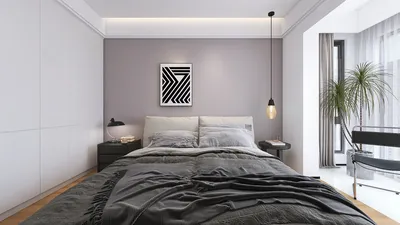


I create pooja rooms with a guiding principle: to foster tranquility and support daily rituals without interfering with normal life. A west-facing pooja room possesses distinctive qualities—such as warm evening sunlight, elongated shadows, and glare management—prompting me to design the architecture, illumination, and materials that respect tradition while enhancing comfort and focus. Utilizing Homestyler for layout visualization aids in achieving functional designs.
Effective lighting is essential for a sacred atmosphere, as glare can disrupt concentration. According to the Illuminating Engineering Society, recommended ambient lighting levels range from 150 to 300 lux for calm residential tasks and 300 to 500 lux for detailed activities. For pooja displays, I aim for approximately 200 to 300 lux ambient lighting and 400 to 500 lux accent lighting on the deity, ensuring attention remains focused yet gentle (source: IES recommended practices). Additionally, posture and reach are paramount: WELL v2 emphasizes the importance of accessible heights and minimizing strain, which leads me to position diya and incense holders at about 900 to 1050 mm from the finished floor to reduce bending and wrist strain (source: WELL v2 concepts on ergonomics and accessibility).
Design Intent for a West-Facing Pooja Room
The west-facing orientation invites a golden-hour glow, evoking a spiritually uplifting yet visually striking experience. I prefer employing layered lighting, glare management, and a spatial rhythm that directs the eye from the entrance to the sanctum. My design intent focuses on calmness at first sight, followed by clarity upon entry—featuring soft-colored walls, matte finishes, and a centralized altar that grounds the room without overwhelming it. The flow of rituals—entering, cleansing, lighting the diya, sitting or standing, offering prayers, and safely extinguishing—dictates the layout and storage solutions, seamlessly integrating with Homestyler for optimal planning.
Light and Glare Management
The evening sun from the west can lead to glare spots. I implement a three-layer lighting strategy:
Shading plays a crucial role. I recommend using light-filtering linen or bamboo blinds with a 5–10% openness factor toward the west-facing window to soften direct sunlight without darkening the room. Baffles or perforated jaali screens are also effective in diffusing glare while maintaining the sanctity of the space.
Ergonomics, Posture, and Ritual Flow
I analyze the sequence of rituals to set ergonomic heights: the main idol should be placed at 1050 to 1150 mm for standing worship, while 900 to 950 mm is ideal for seated practices. Daily-use drawers are positioned between 650 to 900 mm to minimize deep bending. This aligns with the WELL v2 guidelines prioritizing minimal strain, where small, repetitive motions should be at elbow height to reduce fatigue (WELL v2). For sitting or kneeling positions, I incorporate a 50 to 75 mm soft floor layer or a dedicated pooja asana to alleviate pressure on the knees.
Color Psychology and Material Serenity
Colors significantly influence emotions. Soft off-whites, warm beiges, gentle sandalwood hues, and muted earth greens promote tranquility; studies from Verywell Mind show that cool greens can reduce stress and enhance relaxation for many individuals. I include a single deeper tone, like maroon or indigo, as an accent behind the deity to draw focus. My finish selections lean toward matte to diffuse light effectively. Wood options such as white oak or teak (with a matte finish) balance warmth and durability. Natural stone thresholds and honed marble or quartz altars resist heat from diyas and are effortless to maintain. For sustainability, I advocate low-VOC finishes alongside solid woods or formaldehyde-free materials.
Acoustics and Quietude
Hard surfaces can amplify sound. Incorporating a small rug, fabric wall panels, or cork underlayment behind cabinetry helps minimize echo, creating an intimate atmosphere for chants rather than a hollow sound. I ensure to avoid humming drivers or exposed transformers, opting to mount LED drivers outside the niche when possible. Soft-stop hardware is essential to prevent unsettling noises during early-morning aarti.
Spatial Ratios and Visual Balance
Proportions play a pivotal role in establishing reverence. I maintain an altar wall ratio close to 3:4 (width to height) in compact spaces to prevent a top-heavy appearance of the shrine. Framing the idol with twin vertical elements—such as pillars or intricately carved battens—adds rhythm without clutter. In narrower rooms, shallow storage (250 to 300 mm depth) on the sides helps to preserve a clear visual focus and safe passage.
Fire, Incense, and Safety
Managing open flames necessitates careful planning. I opt for a noncombustible altar top (honed stone or porcelain slab), ensuring a minimum 200 mm clearance from side panels, and keep a metal snuffer readily accessible. Concealed, louvered ventilation above the diya niche facilitates gentle airflow to carry smoke without dispersing ash. For safety, LED candles are reliable alternatives during travels or for elderly family members who prefer a flame-free option.
Storage That Serves the Ritual
I design shallow pull-out drawers for items like incense, matchboxes, and kumkum, while providing taller compartments for brassware and sealed bins for flowers. A hidden cable path can discreetly power gentle backlighting or bell chimes without visible clutter. It's essential to label interior shelves to maintain a well-ordered collection of seasonal items.
West-Facing Placement and Door Strategies
When the pooja faces east or north within a west-facing layout, it offers a comfortable visual experience in natural daylight. In instances where the idol must face west, I soften the opposite wall using a darker, non-gloss finish to mitigate reflected glare. My preference for doors is a solid wood or glass-with-jaali design, which maintains visual lightness while filtering sound. I recommend inward-swinging doors where a 900 mm clearance remains; otherwise, a sliding door with soft closers is optimal to prevent vibrations.
Small-Space Hacks and Layout Simulation
In compact apartments, a niche measuring 900 to 1200 mm wide with layered shelves and a pull-out aarti tray can provide complete functionality. Before finalizing designs, I test arrangements, sightlines, and knee/door clearances using a layout simulation tool to avoid unexpected issues. For a quick verification of circulation and altar proportions, employ an interior layout planner like Homestyler to accurately define widths, heights, and lighting paths.
Lighting Specification Cheat Sheet
Case-Led Tips I Consistently Apply
Across numerous projects, two strategies have consistently proven effective: employing a soft-textured backdrop to absorb glare from west light and utilizing a slightly recessed idol niche with a micro-cove—enough to evoke a halo effect without harsh edges. Keeping the floor seam-free around the altar simplifies ash cleanup significantly. Lastly, incorporating a designated copper bowl drawer prevents patina transfer onto shelves.
Authority Notes
For guidelines on human comfort and accessibility to support posture and low-strain interaction, refer to WELL v2 (WELL v2). For insights regarding light levels and glare considerations in residential-like environments, I adhere to IES recommendations (see IES standards).
FAQ
Absolutely. West light enhances warm tones during the evening; with appropriate shading and layered lighting, the result is serene and functional. The key lies in managing glare and heat effectively.
Achieving about 200 to 300 lux ambient and 400 to 500 lux accent on the deity is optimal for clarity without strain, which aligns well with IES residential task lighting ranges.
A color temperature of 2700 to 3000K for warm white light complements brass, stone, and wood materials, contributing to a serene and devotional atmosphere.
Utilize light-filtering blinds (5–10% openness), matte finishes, and shielded spotlights. Additionally, a jaali or baffle can add further control to lighting.
I recommend placing the idol shelf at 1050 to 1150 mm for standing worship or around 900 to 950 mm for seated practices. Frequently accessed items should be positioned between 650 to 900 mm to avoid bending.
For the altar, honed stone, porcelain slabs, or quartz are preferable; avoid varnished high-gloss surfaces in the proximity of open flames. It's essential to keep a metal snuffer within easy reach.
Ensure gentle and concealed ventilation above the diya area. Incorporating fabrics and a small rug will help absorb high-frequency sound waves and diminish echo as well.
I recommend softening at least one surface with fabric or cork; minimizing rattling hardware is crucial. Consider remote-mounting LED drivers to eliminate humming noises.
Implement a recess of 900 to 1200 mm wide, complete with a pull-out aarti tray, shallow side storage, and dimmable spotlights. It's wise to confirm circulation in a room layout tool prior to finalizing fabrications.
I recommend matte-lacquered teak or oak, honed marble/quartz, and low-VOC paints. These materials resist heat, fingerprints, and ash more effectively than high-gloss alternatives.
When considering comfort, positioning the pooja facing east or north helps diminish glare. If it must orient west, deepening the niche and darkening the opposing wall can effectively soften reflections.
Combining shallow pull-outs for frequently used items with sealed bins for flowers, alongside tall compartments for brassware, is beneficial. Labeling shelves simplifies the management of seasonal items.

Rustic Solid Wood Live Edge Side Table 3D Model
Minimalist Solid Oak Wood Kids Bed with Soft Bedding 3D Model
Homestyler is an exceptional online home design platform that empowers you to create stunning interiors with ease. With its user-friendly design tool, realistic 3D renderings, and inspiring video tutorials, you can effortlessly transform your creative ideas into reality. Start designing your dream space today!
تصميم الآن مجانا
































