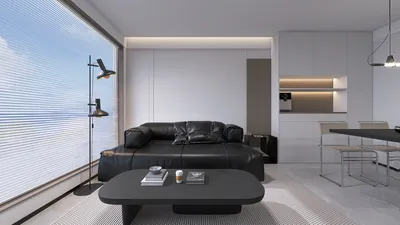


I've crafted numerous compact puja corners in apartments and smaller homes, and the most stunning ones have a common feature: intentional design, warm lighting, and materials that gracefully patina over time. Even within constrained spaces—some under 8 square feet—a peaceful and functional puja area is achievable when balancing proportion, ventilation, and storage approaches effectively.
Two key insights shape my design strategy. Firstly, the WELL Building Standard indicates that proper lighting (both vertical and horizontal) enhances circadian rhythms and mental tranquility; WELL v2 suggests reducing glare and offering adjustable light levels to suit various rituals. Secondly, studies on color psychology reveal that warm tones enhance comfort and serenity; resources like Verywell Mind highlight how muted shades evoke a sense of invitation and grounding. These findings influence the selection of light intensity, color temperature, and finishes, fostering a contemplative space. Explore WELL v2 for lighting health guidelines and verify color theory through trusted psychology sources.
Practically, I target 300–500 lux for altar lighting to ensure clarity during prayers, complemented by 2700–3000K LED bulbs to sustain warmth and intimacy. For sitting or kneeling areas, I recommend ambient lighting of 100–200 lux, maintaining tranquility while minimizing eye strain. Task lighting should prioritize glare reduction and dimmable options. These values align with standard lighting guidelines and resonate with WELL lighting principles.
Establishing Your Intent: Defining Rituals, Usage, and Storage Needs
Begin by considering the usage of the space—whether for daily aarti, seasonal celebrations, or weekly meditative practices. The frequency of your rituals will dictate the storage requirements for items like incense, diyas, and sacred books. For compact living environments, I recommend incorporating a shallow drawer under the altar (100–120 mm height) for everyday essentials, along with a taller compartment for seasonal supplies. Ensure reach zones are between 750–1200 mm above the floor for comfortable access whether seated or standing. If extended meditation sessions are intended, maintain a clear area of 900 x 900 mm for kneeling; if space is tight, a foldable cushion tucked into a side compartment is an effective solution.
Small Space Layout Strategies
In cozy apartments, vertical space is advantageous. Installing a wall-mounted altar at a height of 900–1050 mm keeps the floor area clear for kneeling. Slim side niches (150–200 mm deep) can house lamps and candles, ensuring flames are safely distanced from flammable materials. When dealing with a dead-end corridor, consider a recessed shrine with tambour doors that remains unobtrusive when closed yet is functional for rituals. To experiment with layouts, utilizing a room layout tool can aid in visualizing space requirements, kneeling areas, and sightlines, allowing for adjustments without extensive carpentry. Simulating various altar heights and door swing scenarios can be achieved conveniently with room layout tools.
Lighting: Fostering Warmth, Control, and Focus Without Glare
Layering your lighting is crucial: use concealed LED strips (2700–3000K) behind a back panel for a halo effect, a small dimmable spotlight (12–15° beam) focusing on the deity, and a low-level nightlight for safe navigation. Keeping a cohesive color temperature is vital to reduce visual distraction. Opt for dim-to-warm drivers if your budget allows, enabling a shift from vibrant aarti settings to serene meditative hours. Prevent any direct views of LED diodes and ensure reflective finishes do not create glare on metallic idols. The lighting guidance in WELL v2 emphasizes glare control and user adjustability; refer to wellcertified.com for more on visual comfort parameters.
Material Selections: Tranquil, Durable, and Fire-Safe
For the altar surface, I recommend honed stone or matte engineered surfaces with subtle textures for easy cleaning and a refined appearance. Natural wood veneer back panels (like oak, ash, or teak) add warmth with minimal visual clutter. When incorporating brass inlays, it's best to keep designs simple to avoid glare problems. Including a small stone or ceramic tile beneath the diyas prevents heat damage to the surface; ensure any electrical components comply with ISO/UL fire-safety standards nearby. Ventilation is also key; if using incense frequently, provide a 10–15 mm gap above tambour or cabinet doors to facilitate air circulation or integrate discreet louver panels.
Color Psychology: Subtle Neutrals with Purposeful Accents
Soft neutrals—warm whites, pale taupe, light beige, or soft clay—form a calm base that honors various iconographies. Drawing from color psychology, use accent colors cautiously: a desaturated marigold panel, a soft vermilion back niche, or a muted teal drawer front can ground the altar without overwhelming the room. Avoid high-saturation primary colors in compact areas as they can shrink the perceived space and feel unsettling rather than tranquil. The sheen level is also significant: matte to eggshell finishes help reduce glare while offering a timeless and crafted look.
Proportions, Rhythm, and Visual Lines
When installing wall-mounted altars, keep the width at 600–900 mm for studios and 900–1200 mm for family spaces. Maintaining vertical rhythm is crucial: a base ledge at 900–1050 mm, a central feature rising to 1500–1650 mm, and ample overhead storage creates an upward visual flow. If the puja area merges with a living space, align the altar's vertical components with surrounding architectural features—like window frames or shelving—achieving visual harmony. An elongated overhead canopy with indirect lighting not only draws the eye but creates a soft halo effect.
Acoustics and Sensory Experience
Hard surfaces can amplify sounds when bells are rung. Introducing a small, dense area rug or floor cushion can help absorb noise, and using fabric-lined drawers will minimize incidental sounds. If the puja nook is within high-traffic areas, consider installing a sliding door with felt seals to lessen external noise impact without extensive modifications. Ensure HVAC drafts do not disrupt the flames of oil lamps; a subtle deflector or louvered grille is beneficial in maintaining flame stability.
Ergonomics and Safety Considerations
Facilitate comfortable postures: for kneeling, a clear area of 450–500 mm in depth in front of the altar is ideal for tight spaces. If a stool is used, maintain a seat height of 430–460 mm to ensure proper alignment of knees and hips. Effective cable management is critical—installing recessed grommets and heat-resistant sleeves near any lamp sources is advisable. Keep flames positioned at least 150 mm from walls and 300 mm beneath overhangs. Allocating a dedicated, shallow niche for matches and lighters enhances safety and minimizes clutter.
Discreet Storage Solutions
Employ push-to-open drawers and concealed hardware to preserve a streamlined aesthetic. In ultra-small studios, I’ve implemented a flip-down altar panel that doubles as a writing surface, complete with magnetic catches and a hidden hinge. A slim pull-out tray (similar to a shallow keyboard tray) for diyas during rituals that can be hidden afterward keeps the main surface tidy.
Contemporary Design Ideas for Compact Puja Corners
Consider a 700 mm wide floating shelf with a 25–30 mm front lip, finished with a matte brass backplate and concealed 3000K LED strip lighting. Include a tiny dimmable spotlight for the idol and a narrow drawer underneath for storing incense. The halo backlight adds depth without bulk.
Incorporate curved wooden slats that slide open for rituals and retract smoothly to avoid conflicts in narrow corridors. Integrate a perforated panel above for unobtrusive ventilation.
A shallow cabinet (150–180 mm deep) with bifold doors opens to reveal the altar. Inside, include a pull-out tray for diyas and a small spotlight; when closed, it resembles a minimalist piece of art.
Install a 600 x 300 mm honed stone ledge on wall brackets accompanied by a slim brass thali rail. This option is particularly suited for renters, appearing as a compact shelf while serving ritual purposes.
A triangular corner shelf ensemble featuring a laser-cut lattice screen in a matte finish will create a gentle boundary, with the lattice casting soft shadows that enhance ambiance.
Combining Tradition with Modern Aesthetics
Adherence to iconographic respect is crucial. Placing the altar beneath heavy beams should be avoided; symbolically and visually, a light canopy is more suitable. If directional orientations are significant for your practices, be sure to align accordingly while ensuring free movement around the space. Contemporary details—shadow gaps, concealed hardware, and continuous grain patterns—maintain a sleek, modern look without detracting from spiritual significance.
Strategizing and Visualizing Your Layout
Before finalizing any woodwork, outline the altar height with painter’s tape on the floor and use a temporary shelf. Evaluate sightlines from primary seating arrangements and ensure natural light does not obscure the idol at times of day. To assess clearances, kneeling ergonomics, and swings of doors, utilizing an interior layout planner will be invaluable. Tools that simulate dimensions and lighting can assist in determining proportions quickly; consider trying a layout simulation tool for easy adjustments.
Maintenance and Durability
Opt for finishes that resist oil and soot buildup. A matte lacquer on veneer or natural oils with a protective topcoat can be wiped clean without dulling the appearance of the grain. Maintain a microfiber cleaning kit for metal polishing, scheduling a thorough cleaning quarterly to uphold the shine of metals and clarity of any glass displays.
References for Informed Choices
To ensure comfort and health-focused design aspects in lighting, review the lighting recommendations provided in WELL v2 at wellcertified.com. For insights on color behavior and psychological effects, explore resources like Verywell Mind's articles on color psychology. These references will guide decisions on color temperatures, glare management, and palette selection—vital components for small, spiritually oriented spaces.
Frequently Asked Questions
Q1: What is the ideal lighting level for a small puja altar?
A1: Aim for 300–500 lux on the altar for rituals and reading, with adjustable settings allowing a drop to 100–200 lux for meditation. Selecting 2700–3000K LEDs will provide warmth while diminishing glare.
Q2: Which colors are recommended for a compact shrine?
A2: Warm neutrals (like warm white, taupe, and clay) combined with a single muted accent (such as soft vermilion or marigold) are ideal for fostering calmness. Low-sheen finishes also help reduce glare and visual noise, as indicated by color psychology findings.
Q3: How can I create a puja space in a studio apartment?
A3: Utilize wall space effectively: install a floating altar at a height of 900–1050 mm along with a shallow drawer underneath. A fold-away cabinet can help conceal the shrine for a tidy appearance when not in use.
Q4: What are the necessary clearances for diyas and lamps?
A4: Position open flames at least 150 mm away from any vertical surfaces, and maintain a clearance of 300 mm below shelves or overhangs. Include a protective pad beneath diyas to prevent heat damage, and organize cables using heat-resistant sleeves.
Q5: How can I manage incense smoke in a confined area?
A5: Incorporate passive ventilation such as a 10–15 mm gap at the top of cabinet doors, hinged panels, or small louvers. Ensure incense is placed strategically to avoid blocking airflow and causing backdrafts.
Q6: What materials are both low-maintenance and elegant?
A6: Opt for honed or matte engineered stone for altar surfaces, complemented by matte wood veneer for warmth, and understated brass detailing for a soft glow. Select durable finishes that can withstand oil and soot while being easily wiped clean.
Q7: How can I minimize noise during rituals in shared living spaces?
A7: Introduce a dense rug or floor cushion to absorb sound, line drawers with soft materials for sound damping, and install a sliding door that seals softly for partial acoustic control without heavy construction.
Q8: Any ergonomic advice for kneeling or seated prayer?
A8: Allow for a clear zone of 450–500 mm depth for kneeling in front of the altar. For sitting, a stool height of 430–460 mm is optimal for maintaining balance in hips and knees and preventing strain.
Q9: How do I blend a modern feel with respect for tradition?
A9: Emphasize minimalistic detailing—such as shadow gaps, concealed hardware, and a neutral color scheme—while positioning the altar in accordance with your traditions. Avoid placing it under heavy beams; instead, opt for a lightweight canopy.
Q10: Is it possible to implement smart lighting in a puja nook?
A10: Absolutely. Employ dim-to-warm LEDs or smart dimmers to transition from bright aarti lighting to softer meditation illumination. Ensure a uniform color temperature across all fixtures to maintain ambiance consistency.
Q11: What is a clever storage solution for extremely compact spaces?
A11: Use a pull-out diya tray and a small (100–120 mm high) drawer for everyday items to keep surfaces unobstructed. Employ push-to-open mechanisms to maintain a seamless facade without visible handles.
Q12: How do I plan my layout effectively before construction?
A12: Use painter’s tape to mark intended heights and apply a room design simulation tool to evaluate clearances, door functionality, and natural light influence. Digital layout tools are beneficial for pinpointing errors and facilitating quicker decisions.
Homestyler is the ideal platform for your home design needs! With its user-friendly online design tool, stunning 3D rendering features, and a wealth of inspiring design projects and DIY video tutorials, you can effortlessly create and visualize your dream spaces. Get started today!
Progetta ora GRATIS
































