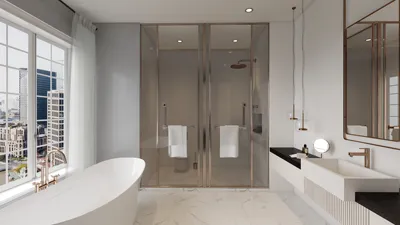


Creating a prayer space in your home revolves around fostering tranquility and support—areas that limit visual distractions, enhance acoustics, and promote physical alignment for rest. My emphasis lies on the quality of light, the feel of materials, and the clarity of layout to ensure that the room invites daily practices effortlessly, whether it be for silent meditation, reading, or guided sessions with the help of Homestyler for layout design.
The first element I address is lighting. According to WELL v2 standards, maintaining adequate illumination is key for visual comfort and circadian rhythm health; for meditative areas, a range of 150 to 300 lux of warm ambient light at 2700–3000K is ideal as it mitigates visual fatigue and cultivates serenity. The Illuminating Engineering Society also highlights the importance of controlling glare: utilizing diffused lighting and shielded fixtures is crucial to safeguard the eyes, particularly when focusing on reading materials. These guidelines help direct decisions around dimmable ambient layers and task lighting.
Next, I consider seating and posture. Research from Herman Miller indicates a direct connection between ergonomic alignment and reduced muscle tension; maintaining a neutral spine with seat heights around 16–18 inches minimizes pressure on hips and knees during extended prayer times. For those who prefer floor seating, a supportive zabuton or a 1–2 inch resilient mat along with a meditation bench tilted slightly forwards (10–15°) are effective for maintaining lumbar support and ankle comfort. Additionally, low reading stands or book holders should be positioned at eye level to avoid neck strain.
Establishing Spatial Intention
I commence with a well-defined focal point—this could be an altar nook, a qibla wall, an icon shelf, or even a simple ledge adorned with candles, incense, or scripture. The overall arrangement subtly supports this focal feature. If your home’s layout is intricate, employing a room layout tool like Homestyler can quickly assist in evaluating aisle widths, kneeling space, and mat positioning.
Illumination Details: Layered, Adjustable, and Glare-Free
Ambient lighting should range from 150-300 lux using warm LEDs at 2700-3000K. Consider indirect cove lighting, wall grazers, or shaded lamps to minimize high-angle glare. Focused task lighting of 300-500 lux is recommended for reading areas, ensuring a Color Rendering Index (CRI) of 90 or above for optimal text clarity. Accent lighting can include areas for candles or using ultra-warm 2200K LEDs to highlight sacred objects. Control window light with dual-layer treatments—sheer for soft light during the day and blackout for practices at dawn or dusk. A softly reflective color palette (walls with Light Reflectance Values between 50-70) can help balance brightness without creating harsh contrasts.
Color Significance: Tranquility Without Uniformity
Utilizing gentle, desaturated hues like sage, sand, cloud gray, and chalk white can effectively lower arousal states and reduce visual noise. Verywell Mind’s insights into color psychology suggest that blues and greens are often linked to calmness and restoration. Introducing a single grounding color, such as deep umber or indigo, behind the focal wall helps anchor attention while maintaining an open atmosphere.
Human Considerations: Comfort, Accessibility, and Ritual Flow
Ensure clearances allow for 36 inches width for movement and 24 inches of space for each person on mats. For accessible reach zones, keep items like books, prayer beads, or cushions within a distance of 20-25 inches from seated positions to prevent strain. Opt for storage solutions with soft-close cabinetry to maintain visual serenity, reserving open shelving for everyday essentials. Utilize subtle, natural incense or essential oil diffusers with programmable timers to manage exposure effectively.
Sound Control: Creating a Peaceful Atmosphere
To counteract the amplification of sound in hard-surfaced spaces, I incorporate soft materials. A wool rug (NRC between 0.15 and 0.20), linen drapes, and a cushioned bench are additions I recommend. For smaller rooms, consider installing acoustic panels or felt wall tiles behind your focal area to absorb mid to high-frequency sounds. For managing mechanical noise, it's wise to choose DC motor fans and position HVAC vents away from primary seating areas to avoid drafts. A gentle white noise source could also mask outside disturbances while preserving the tranquility of the environment.
Material Selection and Eco-friendliness
I select tactile, honest materials characterized by low volatile organic compound (VOC) emissions, including solid woods like ash, oak, and cedar, as well as wool-blended textiles, eco-friendly paints, and natural stones. I steer clear of overly shiny surfaces that create distracting glints. If the floor is hard, consider adding a cork underlayment to absorb sound and decrease joint pressure. Keeping decorations minimal yet significant—such as hand-thrown pottery, woven baskets, and a single aged metal accent—further enhances the atmosphere. Ensure surfaces are easy to clean to manage incense ash and candle wax effectively, and always deploy heatproof trays for safety.
Establishing Proportion, Rhythm, and Visual Harmony
The sense of composure emerges from maintaining consistent edges and calculated spacing. I adopt a base rhythm, often at 6, 8, or 12 inches, repeating this throughout shelves, panel joints, and rug borders. Vertical tranquility is achieved when the focal wall features the tallest design element, while secondary items remain below 60% of that height. In tight settings, adding a horizontal ledge (8-14 inches high) can offer display space without obstructing sightlines.
Design Scenarios
For a small nook (about 4×6 ft), a wall-mounted space, a stack of cushions, a slim lamp with a fabric shade, and a wool runner work well. In a compact room of 8×10 ft, create a featured wall centered around 2-3 cushions and a storage bench with a cove light overhead. If designing for a shared multi-faith space, choose a neutral palette, flexible seating options (such as stools, benches, or floor mats), and portable screens to adapt orientations as needed. For quick testing of spaces and placements, using an interior layout planner can streamline this process.
Natural Light and Circadian Rhythm Support
Morning practices are enhanced with east-facing natural light. If that’s not an option, adjust artificial lighting with a schedule: start with brighter 300-350 lux at dawn before easing into softer lighting under 200 lux by evening. It’s advisable to limit blue light exposure after sunset, ensuring color temperatures remain at or below 3000K to protect melatonin production. If the area receives strong direct sunlight, employ prismatic films or light shelves to diffuse harsh rays effectively.
Curating Your Space and Objects
Prepare a compact kit: matches or a lighter, incense or diffuser, prayer beads, a text stand, cushion, warm throw, and tissue box. Conceal cables and chargers to maintain visual order. Display only items relevant to today’s ritual, rotating seasonal or event-specific pieces to keep the environment feeling fresh and intentional without accumulation.
Safety Considerations
Utilize flame-resistant trays and maintain candles at a safe distance from drapes. Opt for non-slip rug pads for stability. If frequent kneeling occurs, confirm that the height of knee support (using cushions) is approximately 2-3 inches, and make sure a soft mat is available for wrist comfort. Ensure proper ventilation after using incense to preserve indoor air quality.
Personal Touches with a Careful Approach
Images, calligraphy, or simple symbols can impart significant meaning; frame these pieces with matte finishes and non-reflective glass. Incorporate a living plant—such as a fern, ficus, or peace lily—to enhance biophilia and humidity, but avoid strong scents. I like to integrate a solitary chime or bell to indicate the starts and ends of sessions.
Implementation Checklist
- Determine a focal wall or central axis for focus.
- Implement layered lighting: ambient, task, accent; prioritize warm tones and dimmability.
- Design ergonomic seating options and establish reading stands.
- Strategize acoustic treatments with rugs, drapery, and at least one absorptive panel.
- Curate a minimal selection of meaningful decor and ensure concealed storage.
- Test spatial clearances using a layout simulation tool for enhanced comfort and flow.
- Add greenery and scents mindfully; prioritize airflow and fire safety.
Common Questions
For tranquil reflection, targeting 150-300 lux of ambient light with warm 2700-3000K LEDs is ideal. Adjust brightness levels with dimming techniques aligned to the time of day, adding 300-500 lux of task lighting for reading needs.
Utilize diffused lighting sources, muted wall colors, and shaded fixtures. Place lights at angles that minimize glare on icons or mirrored surfaces.
Select a supportive cushion or bench that maintains spinal neutrality, ensuring a seat height around 16-18 inches for chairs. When practicing on the floor, a zabuton and a bench that tilts slightly forward perform well.
Plan for approximately 24 inches width per mat for comfort and ease of movement around others.
Gentle desaturated shades of green, blue, sand, and gray promote tranquility. Use a darker grounding tone for the focal wall to ensure visual stability without heaviness.
Incorporate soft sound-absorbent elements such as a wool rug, linen curtains, an upholstered bench, and at least one felt panel behind the focal area to mitigate echoes and harsh acoustics.
Opt for natural materials with low VOC finishes like solid wood, wool, cork, mineral paint, and stone surfaces. High-gloss finishes and synthetic scents should be avoided due to potential irritants.
Absolutely—maintain a neutral color scheme, provide adaptable seating options, and utilize movable screens for flexibility. Faith-specific items should be stored in concealed cabinetry and accessed as necessary.
Use sheer panels for light diffusion, blackout layers for dawn/dusk, and select non-reflective finishes. In situations of intense sunlight, implement light shelves or prismatic film solutions to soften entry.
Keep furnishings to a minimum. A small speaker playing soft chants or using a timer is acceptable, but conceal wiring and dim screens to preserve the visual experience.


Homestyler is your go-to platform for transforming home design ideas into reality. With its user-friendly online design tool, stunning 3D renderings, diverse design projects, and informative video tutorials, you can unleash your creativity effortlessly, regardless of your experience level. Start designing today!
지금 무료로 디자인하세요
































