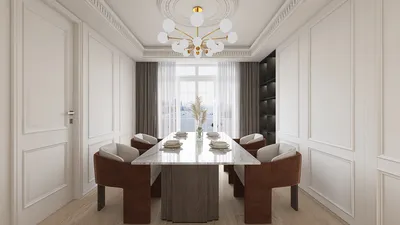


Celebrating Ganpati in a cozy hall can be both personal and visually stunning when the right balance of space management, lighting, and materials is employed. I emphasize compact layouts that facilitate seamless movement, highlight the idol with respect, and ensure that rituals can unfold effortlessly without visual distractions. A thoughtfully designed small area can appear more spacious, brighter, and tranquil—especially when the lighting, color choices, and acoustics are attuned to the occasion, utilizing tools like Homestyler for visualization.
Effective lighting is crucial for a successful Ganpati setting. Following IES guidelines, general living spaces ideally perform best between 100–300 lux for ambient tasks, while focal displays require 300–500 lux to ensure detail without glare; by layering warm 2700–3000K lights, a welcoming devotional atmosphere is created while maintaining visual comfort (ies.org/standards). Additionally, WELL v2 emphasizes the importance of glare management and visual comfort in enhancing wellbeing during extended activities—relevant for long aarti or evening darshan sessions (v2.wellcertified.com). These standards guide me in adjusting the mood and minimizing eye strain in small halls.
Small areas can feel more spacious when designs consider human movement and ritual practices. Research from Steelcase suggests that spatial clarity lowers cognitive load and enhances the experience by reducing minor frictions; similarly, defined walkways and designated ritual areas promote comfort for both family and guests during festivities (steelcase.com/research). I apply this principle to home celebrations by creating a direct line from the entry to the Ganpati pedestal while ensuring a clear 750–900 mm pathway and arranging seating to the sides. To visualize various seating arrangements before installation, tools like Homestyler can aid in testing aisle widths, pedestal locations, and movement loops.
Zone the Hall with Thoughtful Structure
In compact spaces, I create three micro-zones: the sanctum (pedestal + backdrop), the ritual workspace (puja trays, floral arrangements, lighting controls), and guest seating. The sanctum should have the most direct view. Position the idol against the longest wall or the primary visual axis from the entry point. Limit the pedestal's width to 600–750 mm, ensuring stability and effective cable management. For seating, opt for armless chairs or a low bench to maintain an airy feeling while preserving a 750 mm clear path for the aarti.
Backdrop Design: Slim, Light, and Respectful
Backdrops can provide depth without taking up valuable floor space. I prefer modular fabric frames, cane lattice, or thin MDF panels approximately 12 mm thick. A soft yet contrasting color palette—incorporating ivory, muted terracotta, and deep green—creates depth while remaining soothing. By utilizing vertical elements like narrow pilasters or fabric pleats every 150–200 mm, the perceived height is subtly enhanced. Install a compact, dimmable LED strip above the idol with baffles to shield naked bulbs and reduce glare.
Lighting Layers: Warmth Without Overheating or Glare
Combine ambient lighting with warm 2700–3000K bulbs while using gentle beam angles. Position two accent lights at 30–45° off-center to illuminate the idol's shape while preventing harsh shadows. Include a low-level floor wash for path illumination during evening gatherings. If using diyas, keep them in fire-resistant trays and accompany them with LED flicker candles to maintain the festive ambiance without raising temperatures or hazards. Aim for approximately 300–400 lux near the pedestal for clarity, tapering to 150–200 lux in seating areas for tranquility.
Color Psychology for Tranquil Devotion
Colors influence emotion profoundly. Warm neutrals and delicate golds foster a peaceful, uplifting environment. I recommend sparingly using vibrant accents—like sindoor red and marigold yellow—to enhance the sanctum without overwhelming it. According to VeryWellMind’s color psychology insights, warm tones can elicit energy and positive feelings, while too much can result in overstimulation; balancing them with cooler greens promotes harmony (verywellmind.com/color-psychology). I often use a subdued base with bright floral accents to maintain focus on the idol.
Sustainable, Clean Materials
Opt for lightweight, reusable materials: bamboo, cane, and FSC-certified plywood for pedestals; organic cottons and Banarasi-inspired motifs for smaller backdrops; and brass or copper trays for timeless elegance. Maintain matte or eggshell finishes to reduce glare under accent lighting. Cable management is essential: route LED drivers and extension cords behind the backdrop, securing them with grommets and ties to prevent tripping hazards in compact aisles.
Fostering Acoustic Comfort in Small Areas
Festive sounds can quickly amplify in confined spaces. To reduce echo, introduce soft materials: using a light area rug, fabric backdrop, and upholstered benches can absorb mid-high frequency sounds. Position metallic bells and speakers away from hard corners that cause reflections; angle speakers slightly away from walls and lower volume during lengthy aarti to prevent fatigue. If bhajans are present, arrange participants laterally, rather than face-to-face, to minimize direct sound interference.
Micro-Furniture and Storage Solutions
Utilize nesting stools and folding chairs that can be tucked away between sessions. Consolidate puja items on a single 300–400 mm deep shelf with a hidden drawer for matches, incense, and spare wicks. A slender rolling cart can efficiently transport prasad and flowers, easily stored behind seating once its task is done. Ensure water and cleaning supplies are readily available but out of sight—small labeled baskets inside the TV console can reduce visual clutter.
Floral and Craft Elements: Emphasizing Vertical Space Over Bulk
Utilizing vertical lines is key. Suspend marigold garlands in thin strands instead of heavy clusters, complemented by eucalyptus for fragrance and soft texture. Lightweight cardstock can be used for DIY paper medallions or torans, adding layered detail without adding bulk. Opt for a single statement plate (thali) near the pedestal rather than multiple smaller trays to keep the floor area clear.
Ensuring Smooth Circulation and Ritual Flow
Plan the flow for darshan, aarti, prasad distribution, and photography. Maintain a simple loop around the pedestal for aarti wherever feasible, ensuring clear entry and exit points. Position a slim tripod at an angle to avoid obstructing movement during photoshoots. If the hall is particularly narrow, consider relocating the pedestal to the shorter wall and arranging seating in a staggered pattern along the longer wall to facilitate better flow. Tools like Homestyler can help swiftly test various layouts.
Safety and Maintenance in Small Celebrations
Practicality is essential in crowded rooms. Elevate cables, place diya trays on heat-resistant mats, and maintain a 200–300 mm gap from fabric edges. Select dripless candles and clean any wax quickly to prevent slippery surfaces. Pre-thread garlands to reduce loose petals that might obstruct walking paths. Implement a nightly 10-minute reset routine—dusting, coiling wires, emptying trash—to keep the space fresh throughout the festivities.
Small Space Styling Essentials
- Single focal pedestal, avoiding additional shrines in the same sightline.
- Warm 2700–3000K lighting, layered and dimmable.
- Matte finishes, soft textiles, and concealed storage options.
- Vertical backdrops, slim frames, and tight cable management.
- Clearly defined circulation loops with 750–900 mm pathways.
- Limited saturated colors, complemented by calming neutral tones.
- Acoustic softeners such as rugs, fabrics, and upholstered seating.
Frequently Asked Questions
Q1: How can I avoid glare on the idol while ensuring proper lighting?
A: Position two warm accent lights at 30–45° off-axis with baffles or diffusers, and a dimmable crown light above the backdrop. Maintain pedestal lighting around 300–400 lux while ensuring no bare bulbs are in the direct line of sight.
Q2: What is the ideal color palette for a peaceful Ganpati arrangement?
A: Start with a muted base (ivory, sage, soft gold) and add subtle accents (sindoor red, marigold yellow). Warm shades invigorate; cool greens provide balance, ensuring a serene environment.
Q3: How can I fit seating in a very tight hall without obstructing flow?
A: Use armless seating or a slender bench along the long wall, preserve a 750–900 mm clear path to the pedestal, and consider folding or nesting furniture that can be stored away post-aarti.
Q4: What materials are lightweight and safe for backdrops?
A: Thin MDF panels (approximately 12 mm), bamboo lattice, or fabric frames are excellent choices. Incorporate cable grommets and maintain a 200–300 mm setback from diya trays to ensure safety against heat.
Q5: How do I manage sound in a compact celebration effectively?
A: Include a soft area rug, fabric backdrop, and upholstered seating to absorb sound. Angle speakers away from walls and regulate volume during extended sessions to mitigate fatigue.
Q6: What are some effective strategies for neatly storing puja items?
A: Use a 300–400 mm deep floating shelf with a discreet drawer to consolidate essentials. A small rolling cart can facilitate transport of prasad and flowers, parking behind seating to keep floors tidy.
Q7: How should I plan the ritual flow for attendees?
A: Create a straightforward loop around the pedestal if space allows, designate a prasad station away from the main traffic area, and keep the camera positioned off to the side to maintain flow without obstruction.
Q8: Which lighting temperature is recommended?
A: Warm 2700–3000K bulbs foster a welcoming atmosphere. Pair these with dimmers to allow flexibility from morning darshan to evening aarti while adhering to IES-recommended comfort levels.
Q9: How do I ensure sustainable decoration?
A: Choose reusable materials such as bamboo, cane, and FSC-certified plywood, organic textiles, and brass or copper trays. Avoid single-use plastics; store decoration elements flat for future use.
Q10: What is the most effective way to experiment with different layouts?
A: Use an interior design visualization tool to simulate the arrangement of the pedestal, seating clusters, and pathways before physically setting up the space, saving time and minimizing the need for adjustments.
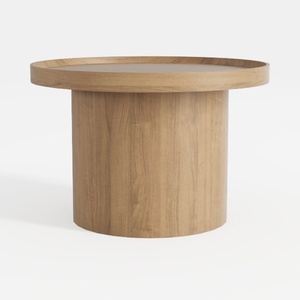
Minimalist Solid Oak Round Coffee Table 3D Model

Minimalist Brown Leather L-shaped Sectional Sofa 3D Model

SAFAVIEH Couture Collection Gabrietta Natural/Blac
Transform your home design dreams into reality with Homestyler! This user-friendly online platform boasts an intuitive design tool, impressive 3D rendering, and a wealth of inspiring design projects and DIY video tutorials. Perfect for both novices and experienced designers looking to unleash their creativity!
立即免费设计
































