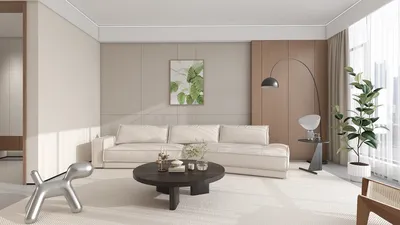


I have always maintained that a home should embody the essence of its inhabitants. A family tree wall provides an immediate narrative—showing names, faces, and significant events—woven into a display that exudes warmth and thoughtfulness. When executed well, it transforms into a daily reminder of identity and shared memories. Utilizing Homestyler can enhance this design process, ensuring every detail aligns perfectly.
Designing with a focus on human-centric principles adds depth and durability to the outcome. Emotional elements in domestic spaces play a crucial role: warm tones promote a sense of comfort and togetherness, while harmonious layouts facilitate easy viewing and movement. Research by Steelcase indicates that environments fostering human interactions significantly enhance perceived well-being; color psychology reveals that warm shades (especially muted reds and ambers) are associated with feelings of intimacy and comfort. To ground my concepts in solid data, I reference these studies when selecting color palettes and spatial arrangements in living areas, often incorporating tools like Homestyler for guidance.
Before selecting frames or decorative elements, it's essential to clarify the spatial purpose. Are you looking to create a storytelling wall in the living room, a quieter family history spot in a hallway, or a vibrant genealogy display near the dining area? Gensler’s workplace studies indicate that a clear intent enhances satisfaction and productivity; at home, this insight translates into establishing a defined visual flow (whether left-to-right or top-to-bottom), enabling family members to trace their lineage intuitively and without visual strain.
Select the Appropriate Wall and Dimensions
I begin by examining sightlines and traffic patterns. The wall should be easily visible from common seating areas yet out of the main traffic flow to avoid accidents. Strive for a composition that fills 55–70% of the wall’s horizontal space, allowing for breathing space around it. If dealing with a narrower wall, focus on vertical arrangements and a gentle pyramid design: older generations positioned at the top, expanding downwards to present-day branches.
Design the Layout with Visual Rhythm
Start by mapping out the hierarchy: place the eldest ancestors at the center top, with each successive generation cascading down either symmetrically or in a soft asymmetrical arrangement. Balance larger frames with smaller ones to avoid visual dullness. Maintain uniform spacing—generally 1.5–2 inches between frames—to create a natural flow for the eye. If you wish to experiment with arrangements before making permanent holes, utilizing a room layout tool like Homestyler can effectively simulate spacing and sightlines.
Color Scheme and Emotional Resonance
Your color selections should complement the family narrative. Earthy muted tones—like warm gray, taupe, olive, and terracotta—provide a timeless feel and pair beautifully with black or walnut frames. Research has shown that warm colors can enhance feelings of comfort and closeness; thus, I moderate saturation to minimize visual disruption. For coherence, apply a single accent color across labels or branch decals while allowing the photographs to convey deeper hues.
Lighting for Visibility and Comfort
Images require soft, even lighting. Aim for a brightness of 150–300 lux on the wall in living areas; excessively bright task lighting is not necessary and may produce glare. Incorporate ambient lighting with wall washers or adjustable picture lights set between 2700–3000K for a warm, inviting ambiance. To reduce glare, position light fixtures at angles of 30–35° to the frames and opt for matte glass or non-glare acrylic. Refer to IES guidelines for residential visual comfort, and consider dimmable drivers to synchronize with evening routines.
Frame Styles, Materials, and Eco-Friendliness
Combining different frame sizes can enhance visual interest; however, mixing too many finishes can lead to chaos. I usually limit finishes to two types: for instance, black metal and walnut, or brushed brass and matte ivory. Choose materials like FSC-certified wood or recycled aluminum whenever possible. Linen mats can add texture without drawing focus. To ensure longevity, utilize acid-free mats and UV-filter acrylics to prevent photo fading, particularly for vintage images. Consistently maintain a mat reveal (e.g., 1.5 inches) across the generations to unify the display.
Typography and Labeling
Incorporating names, birth years, and brief notes enhances the timeline. Select a clear sans-serif font for readability or a subtle serif to add a nostalgic touch. Ensure that label sizing is legible from a distance of 6–10 feet—typically 24–36 pt for headings (e.g., family names) and 12–16 pt for details (such as dates and places). Use a single typeface with two weights to keep the design uncluttered. Dry-transfer decals or custom vinyl can elegantly frame the main “Family Tree” title; handwritten labels can also be charming if applied consistently.
Nature-Inspired Motifs and Wall Treatments
Decals, stencils creating branch patterns, or thin wooden appliqués can direct the viewer's eye among the frames. I prefer understated branch lines in a tone slightly lighter or darker than the wall color to add dimension without distraction. If opting for paint, consider a soft ombré backdrop to create depth while keeping it subtle enough that photos remain the focal point. For smaller areas, a vertical “trunk” line with lateral branches may work better than large sprawling designs.
Acoustic and Behavioral Comfort
In active households, a gallery wall can influence sound dynamics. Soft textures—like area rugs, curtains, and upholstered seating—can help absorb mid-to-high frequency sounds, creating a calmer viewing experience. Placing a small bench or side chair within 3–5 feet encourages lingering and storytelling. Behavioral research shows that seating options can enhance engagement, transforming the wall into a social focal point.
Ergonomics: Eye-Level and Reach
Set the center of the gallery around 57–60 inches from the ground—standard museum eye level—to minimize neck strain. Position lower frames at least 30 inches above the floor to avoid unintentional bumps from children or pets. If including keepsakes (like keys or medals), install shallow shelves with hidden brackets that have a depth of 3–4 inches for easy accessibility.
Photo Selection and Narrative Flow
Create balance by mixing candid snapshots with formal portraits. Adhere to a generational rule: one central portrait per person, accompanied by two smaller candid photos. Organize by nuclear families within each generation and introduce subtle connectors (like a leaf icon or line) to signify sibling relationships. If your family tree continues to grow, leave reserved spaces—blank mats marked with a small leaf—permitting the tree to expand naturally over time.
Digital DIY: Scan, Enhance, and Print
Digitize delicate photographs at 600–1200 dpi, adjust for yellowing, and restore contrast. Print on archival-grade matte paper to ensure texture consistency across eras. For families with international branches, consider integrating QR codes quietly placed on mats to link to more extensive narratives or audio recordings—keeping them small and tucked into lower corners.
Installation Process
Begin by laying the frames out on the floor to finalize spacing. Use painter’s tape templates on the wall for placement tests. For a clean installation: deploy a laser level and a stud finder, when necessary, along with suitable anchors for drywall or plaster. Hang heavier frames on screws; lighter frames can utilize sawtooth hangers or reliable strips, testing their adhesion over a week before finalizing the arrangement.
Seasonal Updates and Maintenance
Refresh the display by rotating a few photos annually to keep the narrative dynamic. Use a microfiber cloth to clean frames and avoid ammonia-based cleaners on the glazing. Preserve a labeled archival box for retired photos and notes, allowing for re-curation without loss of history.
Strategies for Compact Areas
In small spaces, adopt a narrow vertical design featuring a central trunk with staggered frames. Choose lighter frame options and monochromatic palettes to avoid overwhelming the area. Mirrors positioned opposite the wall can amplify perceived space and reflect warm light effectively.
Creating Striking Feature Walls
Paint the wall in a deep, muted shade (like ink, forest green, or merlot) and use lighter frames for contrast. Add a singular brass picture light to enhance the display. Maintain minimal branch motifs to avoid conflicting focal points.
Kid-Friendly Adaptations
Incorporate a lower-tier ‘sapling’ section featuring laminated mini-prints and simple labels that children can engage with. Add handprints or small drawings to function as leaves. Ensure rounded corners on frames and secure mounts for safety.
Incorporating Cultural Diversity
Blend language variations in labels and subtly include cultural elements—such as textiles, patterns, or symbols—within mats or decals. Keep a consistent frame style to give harmony among diverse components.
Rental-Friendly Solutions
Construct the tree on large foam boards or pegboards that can be hung with minimal wall damage. Use removable decals and command strips rated for frame weight. Design the layout to be modular for easy transitions during move-outs.
FAQ Section
Q1: What brightness level is ideal for a family tree wall?
A: Aim for 150–300 lux on the wall with a warm color temperature (2700–3000K). Angle fixtures at 30–35° to reduce glare and reflections.
Q2: Which frame sizes work best for balanced composition?
A: Anchor portraits should be 8x10 or 11x14; combine with 5x7 frames for details and maintain consistent mat reveals of approximately 1.5 inches for rhythm across generations.
Q3: How can I avoid visual clutter?
A: Limit frame finishes to two, employ a single typeface with two weights, and maintain uniform spacing (1.5–2 inches). A gentle pyramid formation helps guide the viewer's eye.
Q4: Is there an ideal height for eye-level?
A: Center the gallery around 57–60 inches from the floor; this height reduces neck strain and aligns with common museum standards.
Q5: Which colors enhance a sense of warmth and belonging?
A: Soft warm hues—like taupe, terracotta, and olive—work well when teamed with walnut or black frames. Warm lighting at 2700–3000K further enhances this cozy atmosphere.
Q6: How can I future-proof the display for a growing family?
A: Designate spaces with blank mats marked subtly, maintain a digital backup of scans, and create modular clusters that can expand laterally or vertically.
Q7: What materials ensure durability?
A: Look for FSC-certified wood frames, recycled aluminum, acid-free mats, and UV-filter glazing to safeguard prints against fading and distortion.
Q8: How should I prepare the layout before making holes?
A: Set up a mock design on the floor, tape templates on the wall, and use a layout simulation tool to verify spacing and sightlines: tool like Homestyler can be very useful.
Q9: Can I introduce digital components without compromising aesthetics?
A: Absolutely—small QR codes can be discreetly placed in the corners of mats to connect viewers to audio stories or expanded timelines. Keep them subtle and consistent.
Q10: What is the best approach for managing varying photo qualities?
A: Scan and restore older images at 600–1200 dpi, standardize the material on matte archival paper, and ensure a consistent cropping ratio to unify diverse sources.
Homestyler is your go-to online home design platform! With an easy-to-use design tool, stunning 3D renderings, and a wealth of DIY video tutorials, you can effortlessly create and visualize your dream spaces. Perfect for both beginners and seasoned designers alike!
Zaprojektuj teraz za darmo
































