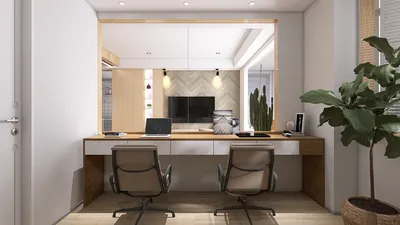


Developing a 3D representation of a zoo can be an incredibly fulfilling endeavor, merging architecture, landscape design, and storytelling. Whether for academic projects, game development, or professional visualizations, an effectively created 3D model demonstrates the dynamic interactions between visitors and animals within the zoo environment. Begin by exploring existing zoos, paying attention to elements such as animal habitats, visitor routes, facilities, and thematic areas. Create a comprehensive floor plan that indicates entry points, exhibit sites, maintenance areas, and emergency access routes. Choosing appropriate modeling software is vital; platforms like SketchUp, Blender, and specialized architectural applications provide user-friendly interfaces suitable for both beginners and seasoned professionals. As a designer, I always advocate for outlining significant enclosures, including aviaries, aquatic environments, and habitats for large cats, while sticking to accurate dimensions for a lifelike scale and flow. Additionally, incorporating landscaping details—such as trees, water features, play areas, and seating—will help in crafting an inviting and functional space while using tools like Homestyler to enhance your design visualization.
Suggestions 1:
Focus on the pathways for movement, sightlines, and overall accessibility. Utilize grouping and management of layers to streamline your modeling process. Play around with lighting and textures to enrich your rendering, making the habitats appear more vibrant and engaging. Within professional settings, the adaptability and effectiveness of 3D applications are critical for adjusting layout designs, while features like drag-and-drop furniture integration, environment simulation, and exporting capabilities facilitate collaboration. For those interested in visualizing spatial relationships and rapidly testing different design concepts, software with 3D floor planning functionalities proves invaluable, effectively aligning creativity with practical application.
FAQs
Q: Which software is ideal for creating a 3D zoo model?
A: Software like SketchUp, Blender, and architectural tools geared towards comprehensive design, including Homestyler, are frequently recommended for their versatility and extensive resource libraries tailored to environmental modeling.
Q: What level of detail is necessary for a zoo model?
A: The depth of detail is dictated by your objectives. For showcasing, it’s important to include key structures, pathways, and landscaping. When it comes to simulations or planning purposes, consider adding features like signage, accessibility details, and specifications for enclosures.
Q: Are there free resources available for designing animal enclosures?
A: Absolutely, many modeling tools host free libraries of 3D objects, or you can import materials from open-source platforms. Just ensure that they are compatible with your primary software to enable smooth integration.
Q: What challenges arise when modeling intricate habitats like aquariums or aviaries?
A: Often, the main challenges include replicating structural intricacies, managing reflections and transparency, as well as sustaining spatial realism. Employing dedicated modeling and rendering software can significantly improve these aspects.
Q: How can I professionally present my 3D zoo design?
A: Render your finished model with appropriate lighting and camera perspectives, then export images or video walkthroughs. Equip your presentation with floor plans and construction annotations for a comprehensive overview.
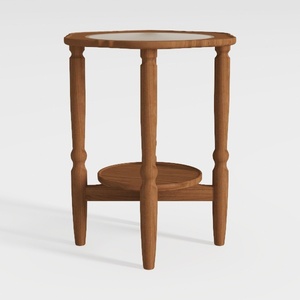

Minimalist Solid Wood Marble Top Round Side Table 3D Model
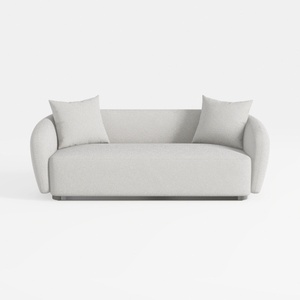
Minimalist Boucle Fabric Living Room Sofa 3D Model
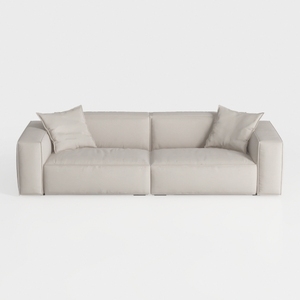
Minimalist Beige Fabric Modern Sofa with Throw Pillows 3D Model
Homestyler is your go-to online home design platform! Its user-friendly design tool, stunning 3D rendering capabilities, and extensive collection of DIY video tutorials empower you to create and visualize your dream spaces effortlessly. Transform your home design journey today with Homestyler!
Design Now for FREE
































