

Developing a 3D representation of Jupiter can be an exciting endeavor for students, educators, or anyone captivated by astronomy. The journey typically begins with collecting reference images and grasping Jupiter’s distinctive visual traits—like its iconic Great Red Spot, the swirling clouds, and the rich gradients of color. Whether you're crafting with clay, utilizing papier-mâché, or employing digital modeling applications, the main objective is to accurately recreate the textures and familiar stripes of Jupiter's surface.
Most newcomers initiate the process with a basic sphere as their foundation. For tangible models, this might involve using a foam ball or papier-mâché. In the realm of digital modeling, specialized tools allow you to create spherical shapes and overlay high-resolution textures depicting Jupiter's atmospheric features. Many creators draw on both free and paid texture images found online or produce their own using software like Photoshop to enhance authenticity.
As an experienced interior designer, I frequently advise approaching these scientific projects with a designer’s perspective, focusing on detail and space utilization. For example, if you aim to display your Jupiter model in a study or a child's bedroom, think about integrating it into an interactive space or a solar system theme. Incorporating display stands, accent lighting, and even educational labels can turn a straightforward science project into an impressive decorative piece. For those keen on creating digital designs or designing themed rooms that draw inspiration from celestial elements, using a tool like Homestyler can assist in visualizing how your model fits within an overall interior concept, ensuring both educational significance and aesthetic balance.
Tips 1:
To elevate your Jupiter model, consider experimenting with various painting techniques to simulate the planet’s gaseous layers and storms—using sponges for softer cloud textures or fine brushes for sharper details. When working in digital media, explore bump and displacement mapping to enhance realism. Always reference NASA images for the most precise color palette and surface characteristics.
FAQ
Q: What materials are most suitable for creating a physical 3D model of Jupiter?
A: Typical materials consist of foam balls, papier-mâché, modeling clay, and acrylic paints for detailing. For those working digitally, 3D software and custom texture maps are recommended.
Q: How can I accurately paint Jupiter’s appearance?
A: Review images from NASA and other scientific resources, apply layers of paints for dimension, and employ a combination of sponging and fine brush techniques to replicate cloud formations and the Great Red Spot.
Q: Is it possible to incorporate lighting in my Jupiter model?
A: Absolutely! Small LED lights can accentuate features or simulate sunlight effects, making your model more vibrant and interactive within a room setting.
Q: What is an effective way to display my Jupiter model in a room?
A: Consider using display stands or suspension methods to give the illusion of the planet floating in space. Position it with accent lighting or as part of a complete solar system display for enhanced educational impact.
Q: How do digital 3D models contribute to interior design projects?
A: Digital 3D models enable you to visualize and plan how decor elements, such as a model of Jupiter, fit within a space—making tools like Homestyler essential for incorporating educational and thematic aspects into your overall interior design.
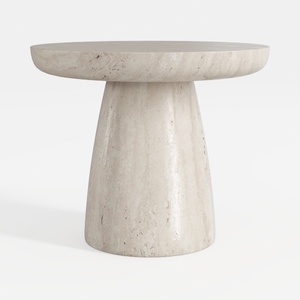
Minimalist Travertine Round Side Table 3D Model
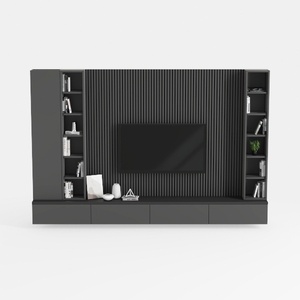
Modern Minimalist Black Solid Wood TV Wall Cabinet With Storage Shelves 3D Model


Homestyler is an amazing online home design platform that empowers you to create stunning spaces effortlessly. With its user-friendly design tool, vibrant 3D renderings, extensive design projects, and helpful DIY video tutorials, you can transform your vision into reality. Discover your home's potential today!
立即免费设计
































