


Constructing a three-dimensional model of an atom can serve as both an engaging educational tool and a stunning visual representation, suitable for students tackling science projects or teachers orchestrating interactive lessons. Historically, individuals crafted these models using basic craft materials, such as colored balls or beads to symbolize protons, neutrons, and electrons, and slender sticks or wires for outlining orbital paths. Initiate your project by studying the atomic structure of your selected atom—taking note of the quantities of protons, neutrons, and electrons—and assign distinct colors to each particle. Position the nucleus centrally by clustering protons and neutrons, while arranging orbiting electrons in concentric circles that reflect varying energy levels. Foam balls or clay can serve as excellent materials for particles, while flexible wires or pipe cleaners are ideal for representing orbitals. To enhance both accuracy and aesthetics, ensure proper spacing and symmetry within your model. Alternatively, if you prefer a digital approach that eliminates the challenges of physical materials, contemporary design platforms offer user-friendly interfaces for constructing scientific 3D models. As a designer, I frequently utilize specialized tools like Homestyler to create intricate spatial visualizations not only for interior design but also for educational applications, streamlining the modeling process and enhancing the clarity of your atomic representation.
Hints and Strategies
When showcasing your 3D atom model—whether in a physical format or digitally—it’s crucial to clearly label each particle type, maintain consistent color schemes, and provide numerical details of protons, neutrons, and electrons to offer context. If feasible, present side-by-side comparisons of different elements to foster an interactive learning experience.
Frequently Asked Questions
Q: What materials are most effective for a physical 3D atom model?
A: Styrofoam balls, clay, or beads are ideal for representing protons, neutrons, and electrons, while thin wires or pipe cleaners work well for creating orbital paths.
Q: Is it possible to create a 3D atom model online for free?
A: Yes, several platforms and design tools offer free basic features for 3D modeling, although some advanced functionalities might require a fee.
Q: How can I accurately determine the particle counts for my atom model?
A: Consult a periodic table for your chosen element to find its respective numbers of protons, neutrons, and electrons.
Q: In what ways can technology assist in designing 3D models for science education?
A: Tools for 3D rendering enhance visualization accuracy and interactivity, improving clarity and engagement without the need for manual assembly.
Q: What advantages come from labeling particles and orbitals in your model?
A: Effective labeling aids viewers in grasping atomic structure, reinforcing educational goals in science learning.
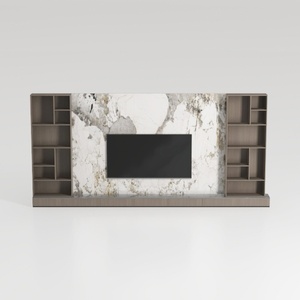
Modern Marble Solid Wood TV Wall Unit With Bookshelves 3D Model

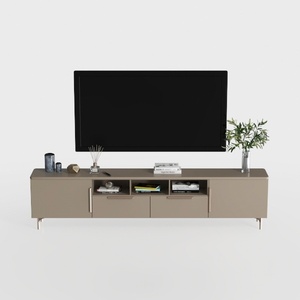
Modern Minimalist Solid Wood TV Stand Cabinet with Storage 3D Model
Discover your dream space with Homestyler, the ultimate online home design platform! With a user-friendly design tool, stunning 3D renderings, a plethora of inspiring design projects, and helpful DIY video tutorials, transforming your home has never been easier. Unleash your creativity today!
Diseño ahora GRATIS
































