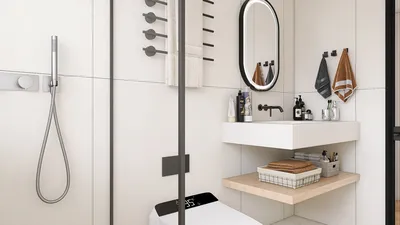


I had a client who was determined to place a freestanding tub in the center of a 6-square-meter bathroom—a concept she referred to as a “spa island.” This ambitious request initially made me chuckle, but it led me to discover effective ways to implement an island bath in compact spaces. Small bathrooms encourage creativity, and I thrive in those challenging conditions.
1. Freestanding tub as a central island
Positioning a compact freestanding tub on a raised platform can create the effect of an island, acting as a stunning centerpiece even in limited square footage. The major benefit is the instant drama and spa-like ambiance; however, one needs to carefully manage plumbing and ensure there’s adequate circulation space—I typically suggest maintaining 60–70 cm of clearance around the tub. Choosing a slim-profile tub and pairing it with wall-mounted faucets can also help preserve floor space, making the best use of your bathroom.
save pin
2. Vanity island: double-sided storage solution
A narrow, double-sided vanity can function as a furniture island, positioned between the shower and toilet areas, providing storage access from both sides. This design is ideal for merging storage and sink functionality in medium-sized bathrooms; however, it necessitates budgeting for custom cabinetry and plumbing setup on one side. I once transformed a challenging corridor-style bathroom into a functional suite using a 30–40 cm deep central island vanity, greatly enhancing the flow of movement within the space.
save pin
3. Glass-encased shower island
By enclosing a shower as a freestanding glass cube, it can be perceived as an island while maintaining open sightlines, which effectively enlarges the visual space. The benefits include abundant natural light and a contemporary aesthetic; the key is to select glass treatments that resist hard-water stains. I often recommend minimal metal framing along with a linear drain for a clean look.
save pin
4. Elevated platform with integrated heating features
Constructing a small raised platform for a tub or wet zone not only creates an island effect but also allows for concealed underfloor heating, plumbing, or storage. It's both cozy and luxurious; however, it's essential to monitor headroom and step heights for safety reasons. One of my clients appreciated the warmth beneath their feet, and we added discreet LED toe-kicks to enhance ambiance while ensuring safe navigation at night.
save pin
5. Mobile island cart for versatile use
If committing to permanent installations feels overwhelming, consider a waterproof mobile cart that can serve as a portable island for toiletries, towel storage, or even as a plant stand. This option is budget-friendly and adaptable, but it should have locking casters and be made from water-resistant materials. I utilized this idea during a rental bathroom renovation where permanence was not feasible—achieving instant style with minimal effort.
save pin
Inspiration tool
For those beginning to sketch layouts, I often utilize an online room planner, such as Homestyler, to experiment with various island configurations before finalizing plumbing decisions. This approach saves valuable time and prevents the need for difficult retrofits later on.
save pin
FAQ
Q: What characterizes an ‘island bathroom’ in small areas?
A: An island bathroom features standalone elements—such as a tub, vanity, or shower—that are positioned away from walls, creating a focal point and promoting better circulation. The concept is more about the intended layout than the actual size of the room.
Q: Can a freestanding tub fit in a small bathroom?
A: Absolutely, provided you select a compact tub, maintain at least 60 cm of clearance around usable sides, and thoughtfully route the plumbing. Opting for slim-profile tubs aids in achieving a sense of openness.
Q: Is a raised platform feasible in a rental?
A: It’s generally not advisable; rental properties usually benefit from non-permanent, reversible choices such as mobile carts or freestanding installations.
Q: How should plumbing be handled for a central island vanity?
A: Typically, you will need to route water and waste either under the floor or via a boxed chase; early consultation with a plumber is essential when designing an island vanity.
Q: Are glass-wrapped island showers hard to maintain?
A: They require regular cleaning or protective coatings to minimize water spots; however, the visual openness they provide often outweighs the maintenance concerns.
Q: What materials are good for mobile carts that resist humidity?
A: Consider using marine-grade plywood, powder-coated metals, or water-resistant solid surface tops to ensure durability.
Q: Any tips for achieving an island vibe on a budget?
A: Employing freestanding furniture, plants, area rugs, or decorative screens can suggest an island effect without requiring structural alterations.
Q: How can I find design examples for island bathrooms?
A: For practical layout tools and examples, you can explore platforms like Homestyler, which offer planners and case studies, including 3D renders and floor plan creators (refer to international codes for accessibility standards).
save pin
Homestyler is your go-to online home design platform, perfect for transforming your ideas into reality. With its user-friendly design tool, stunning 3D renderings, and a wealth of DIY video tutorials, you can effortlessly explore and create beautiful interior spaces. Start designing today!
Design Now for FREE
































