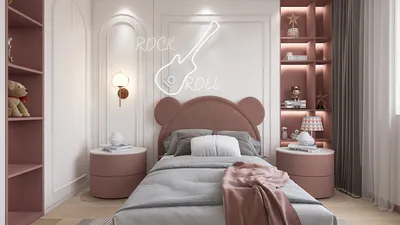


I consider the prayer room a serene bridge between our everyday lives and deeper contemplation. The first aspect I focus on is color, which plays a crucial role in influencing tranquility, focus, and spirituality. As we move into homes with smaller footprints in 2024–2025, color choices must respect spiritual traditions while promoting visual ease, acoustic serenity, and smooth ritual practices. I rely on insights from color psychology and architectural standards to ensure that peace remains both authentic and quantifiable, especially when designed through solutions like Homestyler.
The impact of carefully chosen colors is significant. According to a summary on color psychology from Verywell Mind, blue hues are linked with feelings of calm and stability, while greens promote balance and rejuvenation—especially beneficial for prayer environments centered on stillness and contemplative breaths (source: Verywell Mind, color psychology). The WELL v2 guidelines stress the importance of glare control and appropriate light levels for restorative spaces, advising an illuminance range of 150–300 lux for low-demand tasks alongside high-quality ambient lighting (source: WELL v2). These research insights help me select paint, materials, and lighting to create an environment that is soothing for both the eyes and mind. For more extensive design implications—particularly regarding how spaces influence wellbeing—Gensler's research library offers frameworks connecting spatial quality with human experiences, which I reference to balance color, light, and ritual flow effectively using tools such as Homestyler.
Soft Whites and Warm Off-Whites
In various homes, a light, bright base honors the sacred without causing distraction. I prefer soft whites with warm undertones (like natural linen, almond, or ivory) to avoid sharp clinical glare. Warm whites reflect light gently, aligning with the WELL v2 aim for visual comfort while minimizing contrast shifts. I choose a matte or eggshell finish to reduce reflective highlights. If the altar consists of metallic items, a warm white background helps maintain color temperature harmony and enhances a contemplative atmosphere.
Pale Blues for Calm and Focus
Soft, subdued blues (imagine mist, sky, or porcelain) reinforce the tranquil atmosphere of the room. The connection between blue and calmness is well-documented in color psychology; I implement it where meditative activities, such as reading or mantra repetition, take place. To mitigate any chilliness, I combine blues with warm woods, off-white textiles, and soft lighting in the 2700–3000K range. Additional elements—like a delicate gold frame or a gentle candle holder—bring in sacred warmth without dominating the color scheme.
Gentle Greens for Restoration
Subdued greens (like sage, eucalyptus, or celadon) foster balance and echo the tranquility of nature. Incorporating indoor plants or a small water feature can enhance signals of renewal. Verywell Mind's research supports green's associations with harmony and stress alleviation—ideal cues for slow-paced breathing rituals. I avoid using bright emeralds unless tradition necessitates a ceremonial richness; intense colors can make small spaces feel cramped. A matte sage backdrop paired with light wooden shelving maintains openness while grounding the shrine.
Earth Neutrals: Taupe, Sand, and Clay
Earthy neutrals provide stability and humbleness—qualities that resonate across various faiths. Taupe and sand offer mid-value tones that stabilize visual comfort while reducing contrast fatigue. Clay or terracotta can serve as a low-saturation accent, nodding to craftsmanship and permanence. I complement earth tones with tactile materials—handwoven textiles, natural fiber rugs, and unfinished wood—to deepen sensory tranquility. It’s essential to keep patterns subtle and rhythmic, allowing the altar to be the main visual focus.
Soft Gold and Brushed Brass Accents
When the shrine features gilded icons or brass lamps, I select a color palette that complements these elements rather than competing with them. A restrained selection of warm whites or pale sand provides a backdrop for soft gold accents. Instead of painting the walls gold—which can feel ostentatious—I incorporate brushed brass hardware, a slim halo frame, or candle holders. This approach maintains a sacred glow while ensuring a balanced luminance without glare. For lighting, I avoid highly intense bulbs near reflective surfaces.
Muted Rose and Peach Undertones
For practices emphasizing compassion and love, muted tones of rose, peach, or blush can be profoundly nurturing. These shades contribute warmth and emotional softness without becoming overly sentimental. I apply them sparingly—perhaps on an accent wall or as a textile layer—against a neutral backdrop. Pairing these hues with natural linens, matte ceramics, and diffuse lighting ensures a gentle, devotional effect rather than a decorative one.
Monochrome Serenity: Layered Values
A monochrome approach—utilizing variations of a single hue across light, medium, and dark tones—creates a visual rhythm devoid of distracting patterns. For example, pairing sage walls with lighter eucalyptus shelving and deeper olive textiles yields depth while avoiding jarring contrasts, which supports concentration during prayer. This technique is particularly effective in compact spaces with limited daylight, where a consistent hue helps the eyes relax.
Light Environment: Color Temperature, Illuminance, and Glare
The effect of color is largely determined by the accompanying light. I maintain ambient lighting levels between 150–300 lux for calm reading and reflective practices, increasing specific task lighting to around 300–500 lux for detailed scripture reading. Warm white LEDs at 2700–3000K ensure gentle color rendering on both skin tones and wood surfaces. I shield light sources to mitigate direct glare and spread illumination softly across walls and ceilings. When using candles, placing them away from high-reflectance surfaces prevents flickering glare, aligning with WELL v2's focus on visual comfort.
Human Factors: Seating, Reach Zones, and Ritual Flow
Colors should foster comfortable posture and movement. In cases where floor seating is part of the ritual, I opt for mid-value wall colors that reduce visual fatigue from lower sightlines. Frequently used ritual items should be positioned within easy reach to avoid awkward bending; a calm body supports a calm mind. When considering altar placement and seating arrangements, utilizing a straightforward interior layout planner can help visualize clearances, sightlines to icons, and balance within the room.
Acoustics and Materials: Quiet Surfaces That Respect Color
Softer acoustic environments enhance tranquility. Textiles such as rugs, upholstered benches, and fabric wall hangings absorb mid-to-high frequencies, helping to alleviate cognitive overload in smaller rooms. When choosing fabrics, I tend to keep color saturation low and prefer natural textures—cotton, linen, and wool—to prevent glare from reflections and visual overstimulation. Warm-toned wood species (like oak, ash, and teak) harmonize beautifully with almost any devotional palette and possess a timeless quality.
Spatial Ratios and Visual Balance
Achieving visual balance with the altar requires careful consideration of negative space. I aim for a 60–30–10 ratio: 60% calm base (soft white or gentle green), 30% supporting mid-tone (taupe or pale blue), and 10% accent (brass, rose, or terracotta). This strategy allows the eye to be guided without feeling forced. Align the altar along the room's natural axis—such as a window, niche, or doorway—and keep the nearby backdrop uncluttered. Symmetry fosters solemnity, while asymmetry can suggest movement and vitality—choose based on the intentions of your tradition.
Practice-Specific Notes
Each individual practice carries its own set of ethical and aesthetic principles. For shrines focused on icons, I keep wall colors muted, allowing reflective objects to take center stage. For devotional practices centered around text, ensuring clear contrast at the reading level is crucial, avoiding glossy finishes at eye-level. In meditation-focused spaces, I lower chromatic intensity while enhancing textures, then optimize lighting to minimize glare, gradually transitioning across surfaces.
Color Combinations to Try
- Warm ivory walls + sage textile accents + brushed brass lamp holders
- Pale sky blue backdrop + natural oak shelving + linen altar cloth
- Taupe envelope + terracotta bowl + soft gold frame
- Celadon walls + clay rug + matte white niche for icons
- Muted blush feature wall + sand neutrals + warm wood bench
Maintenance and Longevity
Prayer rooms can wear down due to smoke, incense, and handling. I select scrubbable matte paints that strike a balance between durability and low glare. It’s wise to avoid overly bright whites if the space utilizes oil lamps, as residues become visible quickly. Establishing a simple cleaning routine and rotating textiles seasonally helps to refresh colors without the need for repainting.
FAQ
Q1: Which color is universally calming for a prayer room?
A1: Paler, subdued blue or soft sage green are popular choices, strongly backed by color psychology research related to calmness and restoration.
Q2: What color temperature should my lighting be for creating a serene atmosphere?
A2: Warm white lighting in the range of 2700–3000K ensures gentle rendering, pairing well with warm neutrals and greens. Aim for ambient levels around 150–300 lux, and increase task lighting to approximately 300–500 lux for reading purposes.
Q3: Are bright whites advisable?
A3: Opt for warm off-whites instead of stark bright whites. Bright whites can lead to excessive glare, especially when combined with polished metals or vibrant candles.
Q4: How can I incorporate gold accents without making the room appear ostentatious?
A4: Start with a neutral foundation (warm white or light sand) and limit gold to small, brushed finishes—like frames, lamps, or bowls. Use diffused lighting to avoid harsh reflections.
Q5: Are deep colors like red suitable?
A5: While rich reds can have a ceremonial essence, they are best employed as minor accents. In compact settings, deeply saturated colors may create a sense of heaviness; mitigate this by balancing them with soft neutrals and warm lighting.
Q6: Do plants impact the color palette?
A6: Absolutely. Natural greens harmonize beautifully with sage, celadon, and warm whites. Additionally, plants provide biophilic inputs that enhance restoration; therefore, keeping coloration muted and textures natural is beneficial.
Q7: Is a monochrome palette too simplistic for a shrine?
A7: Not when you incorporate a variety of values and textures. Using different shades of a single hue creates depth without visual noise.
Q8: What is the best paint finish for this kind of space?
A8: Matte or eggshell finishes help minimize glare and support gentle visuals. Be sure to select scrubbable formulations to manage incense residue effectively.
Q9: How does layout influence color perception?
A9: The altar's visibility, window location, and reflective surfaces substantially shape how hues and brightness are perceived. Using a straightforward room design visualization tool can help assess balance and glare in your arrangement.
Q10: Which neutrals work well with brass icons?
A10: Warm ivory, sand, and taupe provide gentle contrast, maintaining the luminosity of brass without overpowering it. Avoid cooler grays that risk dulling the warmth.
Q11: How do I retain serenity in a space where bold ceremonial colors are required?
A11: Limit strong colors to small areas—such as altar cloths, frames, or a feature wall—and keep the surrounding spaces low in chroma and matte in finish.
Q12: Are there any research-based resources I can consult?
A12: Explore color psychology insights from Verywell Mind and visual comfort recommendations from WELL v2; both provide valuable guidelines for creating calming, glare-free environments.
Homestyler's roots trace back to Autodesk, the global leader in design and engineering software. That heritage lives on in every feature we build. Today, with a community of more than 18 million users worldwide, Homestyler continues to make professional-quality interior design accessible to everyone — from first-time decorators to seasoned architects.
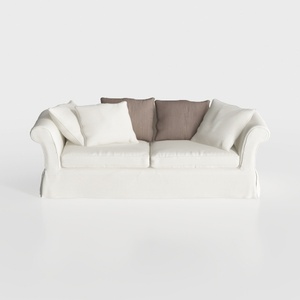
Minimalist White Fabric Sofa with Throw Pillows 3D Model
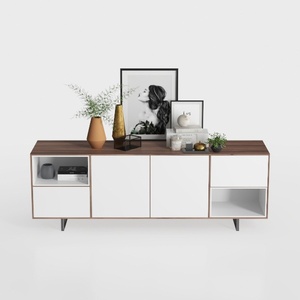

Modern Minimalist Walnut White TV Stand Console Cabinet 3D Model
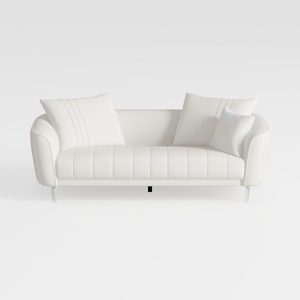
Minimalist White Leather Tufted Sofa With Throw Pillows 3D Model
Discover the ease of home design with Homestyler! This user-friendly platform offers an intuitive online design tool, stunning 3D renderings, and a wealth of design projects and DIY video tutorials. Whether you're a beginner or an expert, your dream space is just a click away!
تصميم الآن مجانا
































